
Ethanol demand drives sugar prices above ₹64 per kg

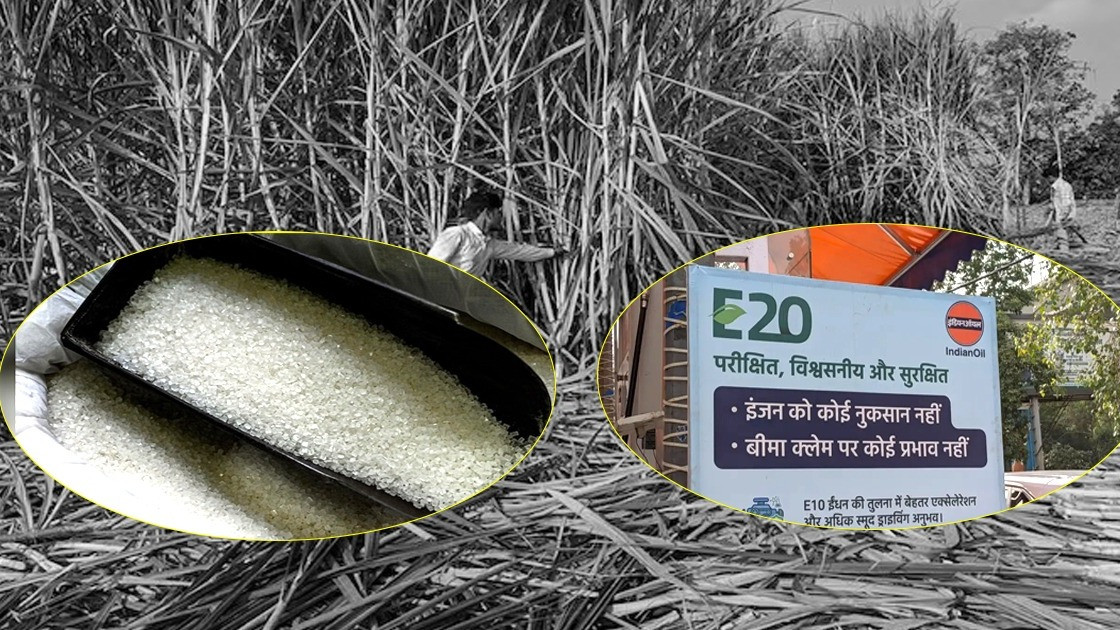
The push for ethanol-blended fuel for vehicles is impacting household kitchens directly.
Even those without diabetes have started drinking unsweetened tea. The reason is that the sweetness of sugar is reaching new heights these days. In the last 17 days, the price of sugar has increased by ₹19. It has jumped from ₹45 to ₹65 per kg in the retail market. If the rate of increase continues, the price of sugar could surpass ₹100 per kg in a few days.
Chini Mandi reports that on August 18, the ex-factory price of M-grade sugar in Uttar Pradesh reached ₹5,400 per quintal. A 5% GST is applicable on the ex-factory price. There is a possibility of further price increases in the coming days, which could raise concerns for the central government regarding the availability and pricing of domestic sugar.
Despite lower production, the export of sugar and the increased use of cane feedstock for ethanol production are expected to bring the closing stock to a record low by the end of the current sugar season. The push and rush to run vehicles on ethanol-blended fuel have directly impacted the kitchen.
The impact of the growing supply shortage is already visible on domestic prices. India's Chief Economic Advisor V. Anantha Nageswaran expressed concern in an article published on Monday, stating that the increased use of cane feedstock for ethanol production is raising inflation concerns in the domestic market.
According to the report, due to reduced production, exports, and ethanol production, the sugar stock is likely to reach a record low by the end of the season. Increased demand during the festive season could further drive up prices. The central government has set a storage limit from August 1 to November 30 to curb hoarding and has conducted physical verification of mills, but these measures have not yet stopped the price rise.
In Maharashtra, the ex-factory price of sugar has reached around ₹5,300 per quintal. After adding GST, this price is approximately ₹5,550 to ₹5,600 per quintal. There has been a significant surge in prices in the spot market as well. In Delhi, sugar is selling at around ₹5,775 per quintal and in Muzaffarnagar at around ₹5,754 per quintal. The increase in ex-factory prices has also affected the wholesale market, with wholesale sugar prices in Delhi reaching around ₹5,800 per quintal.
The rise in wholesale prices is likely to impact the retail market as well. In some markets, sugar has already reached ₹60 to ₹65 per kg. If there is further increase during the festive season, the government's concerns about food inflation could grow. However, there is a significant difference between market prices and the government's official retail price figures. Two months ago, the price of sugar in the wholesale market was around ₹4,400 per quintal, which has now increased to approximately ₹5,800 per quintal. This represents an increase of about 32% in just two months. Such a rapid rise in recent years is unusual and reflects growing concerns about sugar availability in the market.
Industry sources say that if the current price surge continues, the government may eventually have to consider importing sugar to increase domestic availability. Currently, the central government imposes a 100% duty on sugar imports. In the international market, the FOB equivalent price of London White Sugar for India is around $523 per ton, approximately ₹4,765 per quintal. Meanwhile, the New York Raw Sugar Contract is trading at 16.87 cents, which translates to an FOB equivalent price of around ₹3,700 per quintal for India.
Industry sources told Rural Voice that a major reason for the unexpected price surge is the significant gap between the estimates set at the start of the production season and the actual sugar production. If concerns about supply persist, the price surge may continue.
The festive season has begun, and there are currently no signs of relief in sugar prices. This could increase the challenge for the government. If the government has to allow duty-free sugar imports to improve domestic supply, it could adversely affect the domestic sugar industry and sugarcane farmers. Therefore, the industry is now watching the central government's next policy move. Amidst the recent surge in domestic sugar prices, the central government has imposed a stock limit on sugar across the country from August 1 to November 30 to curb hoarding and speculation. The government had also ordered the physical verification of sugar stocks held by mills. However, the measures taken so far to control prices have not yielded the expected results.
In India, sugar consumption is generally highest between the end of August and January. During this period, the demand for traditional sweets, processed foods, and beverages increases during the festive season, leading to higher sugar consumption.
Sugar mills in the major sugarcane-producing states of Uttar Pradesh and Maharashtra are planning to start crushing 10 to 15 days earlier than usual, after consultations with the Food Ministry, to increase sugar supply in the market. The government has recently imposed stock limits on traders to prevent hoarding and control the risk of inflation.