
Could China and Taiwan unite? What would a multipolar world look like

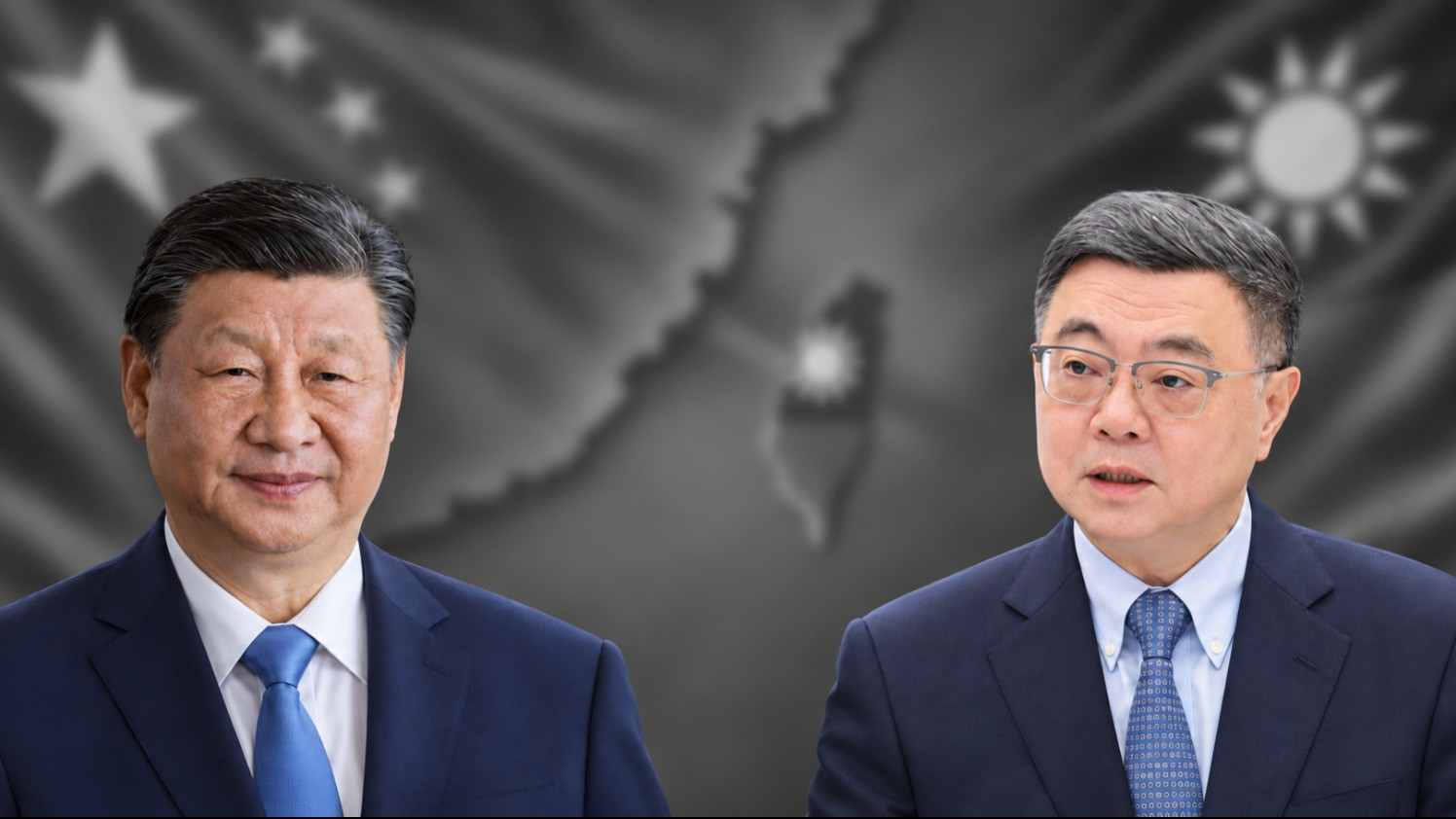
Taiwan supplies semiconductors and electronic chips to the world on a large scale.
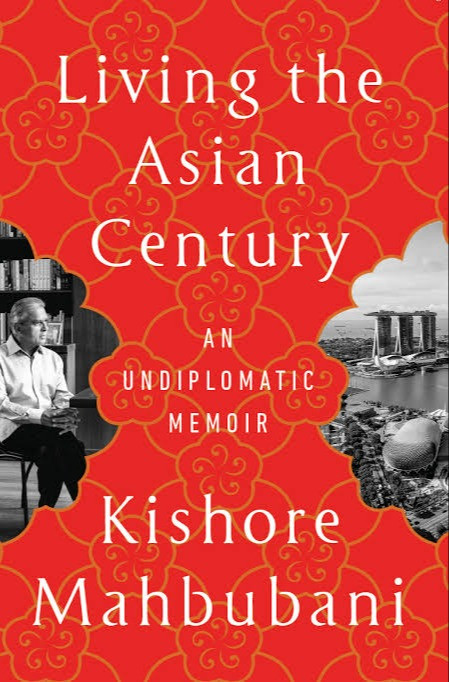
In his book Living the Asian Century , Kishore Mahbubani, Singapore’s former ambassador to the United Nations, writes that for the first 17 centuries after the birth of Christ, China and the Indian subcontinent were the world’s two largest economies. According to him, the West’s nearly 200-year dominance, built by exploiting resources in several parts of the world, including Asia and Africa, is an exception in history. He believes that the old Asian civilisations will return to their strong position.
Amid Asia’s growing influence, the world is watching relations between China and Taiwan. However, China’s economic progress and the possibility of Taiwan uniting with it cannot be treated as the same thing. No reunification agreement between the two sides has been confirmed so far. China has reiterated its longstanding claim, while Taiwan’s government says its people alone will decide its future.

Recent discussion has intensified after the local elections held in Taiwan on November 28. Reacting to the results, China said on Sunday that political changes could not stop its goal of reunification. Taiwan’s government, meanwhile, asked Beijing to respect its democratic system and the people’s decision. These responses highlight differences between the two sides, rather than any agreement.
Earlier, on November 12, Chinese President Xi Jinping spoke of peaceful reunification with Taiwan. He described it as a historic goal of the Communist Party of China. Xi reiterated the proposal for talks under the framework of “one country, two systems”. But a leader stating his goal and the other side agreeing to it are two different things. Taiwan’s government has not accepted this proposal.
Taiwan supplies semiconductors and electronic chips to the world on a large scale. Important maritime trade routes also pass near it. Its significance, therefore, is not limited to its dispute with China. Rising tensions there could affect global trade and the technology industry. Taiwan is important to Western countries as well, but economic ties with China and the possibility of a military confrontation make the issue complex.
The dispute has its roots in the Chinese Civil War of 1949. The Communist Party established the People’s Republic of China on the mainland, while the defeated Republic of China government moved to Taiwan. Since then, the two sides have been administered separately. Taiwan today has its own elected government and political system. Beijing considers it part of China, while Taiwan’s government rejects China’s claim.
The term “reunification” also reflects China’s political viewpoint. Beijing presents it as a question of completing the country’s unity. Taiwan’s leadership says China’s current government has never ruled Taiwan. According to it, no arrangement can be imposed on the people there without their consent. The dispute, therefore, concerns not only territory but also governance, identity and people’s political choice. China was in a long-running dispute with the rest of the world over Tibet, and later over Taiwan and Hong Kong as well, but it has always reiterated that these territories have always been part of its country, until the era of colonialism began to fragment the world.
China’s “one country, two systems” plan, in simple terms, means that Taiwan becomes part of China but is allowed to retain some separate systems. Taiwan’s government does not accept this. It is concerned that this could weaken its democratic system and freedoms. Therefore, a willingness to expand economic ties or hold talks should not be understood as acceptance of China’s proposed arrangement.
The views of Taiwan’s people are also important. In a survey conducted in August 2026 for Taiwan’s Mainland Affairs Council, 81.2 per cent of respondents opposed the “one country, two systems” proposal. Around 84 per cent said Taiwan’s future should be decided by its people. The survey was based on 1,086 people. It cannot be treated as the final verdict of the entire population, but its findings do raise questions about the prospect of early reunification.
In the same survey, a large number of people supported maintaining the status quo. However, this did not mean the same thing to everyone. Some wanted to decide on the future later, while others favoured maintaining the present arrangement for a long time. Therefore, dividing Taiwan’s people simply into “pro-China” and “anti-China” camps would ignore the diversity of their views.
Military activity also fuels speculation about war or reunification. But military preparedness, political pressure and the final decision to go to war are different things. The US intelligence community’s 2026 assessment said China wanted to achieve its goal without war, if possible. At the same time, it was preparing military options. This is a US assessment, not a guarantee about the future.
According to the same report, the Chinese leadership has not set a specific timeline for reunification and is not currently planning an invasion in 2027. It would therefore be inappropriate to present any particular year as a fixed date for war. The situation could change with political decisions, military preparations and the role of other countries.
The dispute could affect the entire world. A conflict around Taiwan could disrupt maritime trade and the supply of electronic chips. It is therefore important to look at official decisions and developments on the ground rather than rumours. For now, there is no basis for claiming that reunification has been decided.
China speaks of moving the world towards an order with multiple centres of power. It is difficult to say what form this change will take in the coming years. But it would also be wrong to assume that war is inevitable for the global order to change. A lasting peace can emerge only through dialogue and respect for the safety and wishes of ordinary people. At a time like this, these lines by Sahir are worth reflecting on—
It is better if war is averted,
It is better if this flame
keeps burning in your heart and mine.