
Do Chinese companies steal technology from the US?

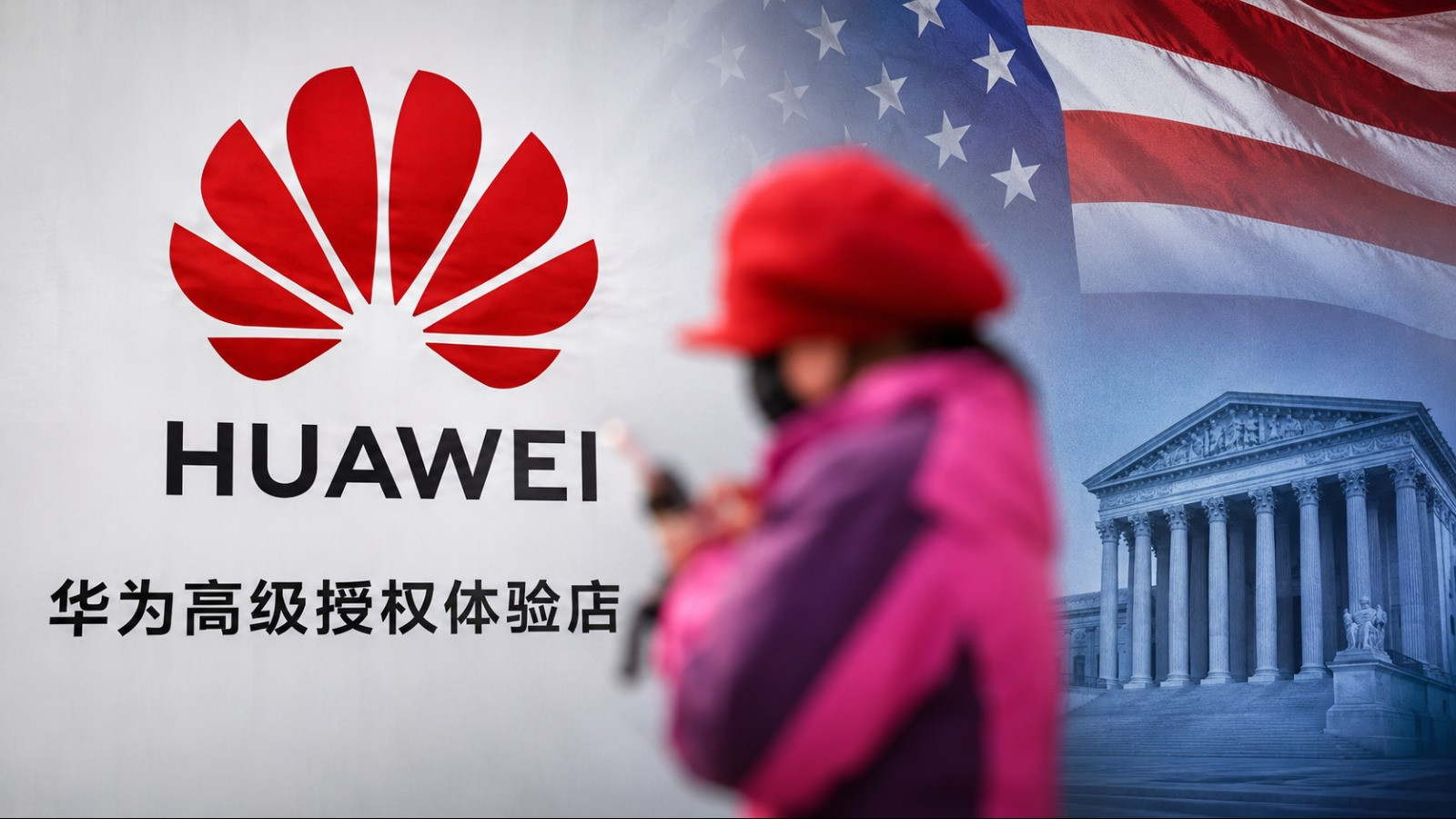
Huawei was acquitted on two counts related to trade secrets and business in Iran. Sentencing could take place in September 2027.
A jury in a federal court in Brooklyn, New York, has convicted Chinese telecommunications company Huawei and three related companies on 10 of 12 criminal charges. The case concerns the alleged acquisition of confidential technology from US companies and the alleged provision of false information to banks about business in Iran. The jury acquitted Huawei on two charges. Sentencing is likely to take place in September 2027.
The case also involved Huawei’s Chinese unit, Huawei Device, and two companies registered in the US, Futurewei Technologies and Huawei Device USA. The jury found the companies guilty on separate charges, including conspiracy to steal other companies’ technology, providing false information to banks, violating US sanctions and charges related to financial transactions.
Prosecutors said Huawei had tried to obtain confidential technology from US companies. Cisco, T-Mobile and other companies were named in the case. According to prosecutors, the information could have helped Huawei improve its products and gain an edge over other businesses in the market. Huawei contested the charges, saying the alleged actions of some employees had been presented as a plan by the entire organisation.

The case involving T-Mobile’s robot, named “Tappy”, was a key part of the trial. The robot was used to test the touchscreens of mobile phones. Prosecutors alleged that Huawei had signed a confidentiality agreement to obtain information about the device, but later misused that information. In another case, Huawei was accused of using technology and confidential information belonging to US antenna maker Quintel. Prosecutors said Huawei had tried to benefit its business by obtaining information about other companies’ equipment and technology.
The other major part of the trial concerned Huawei’s business in Iran. According to prosecutors, the company continued its activities in Iran through a company named Skycom and did not give banks accurate information about this business. The US side said Huawei described Skycom as a business partner, although it was Huawei’s own company. Prosecutors alleged that the company gave banks and US officials false information about its business in Iran and compliance with US sanctions.
The US had imposed restrictions on certain types of business with Iran. According to prosecutors, the false information provided by Huawei enabled the company to conduct transactions in US dollars and obtain business support from banks. US officials also said Huawei’s equipment was used in Iran to monitor and restrict internet activity. Huawei denied these allegations.
The jury did not accept all the charges. It acquitted Huawei of conspiring to operate as a criminal organisation. The company was also found not guilty of conspiracy to obstruct justice. Huawei lawyer Brian Heberlig said the acquittals on these charges were significant for the company. He said they weakened the prosecution’s claim that Huawei had planned wrongdoing at the level of the entire organisation. The company has also called the remaining charges false and said it would challenge the verdict.
The trial lasted about 12 weeks. It has its roots in a dispute that began several years ago. In 2019, the US imposed trade restrictions on Huawei. This made it difficult for the company to buy US technology and equipment. The US government cited national security concerns. Huawei described the restrictions as a move that harmed its business. Despite this, the company continued to operate in China and other markets.
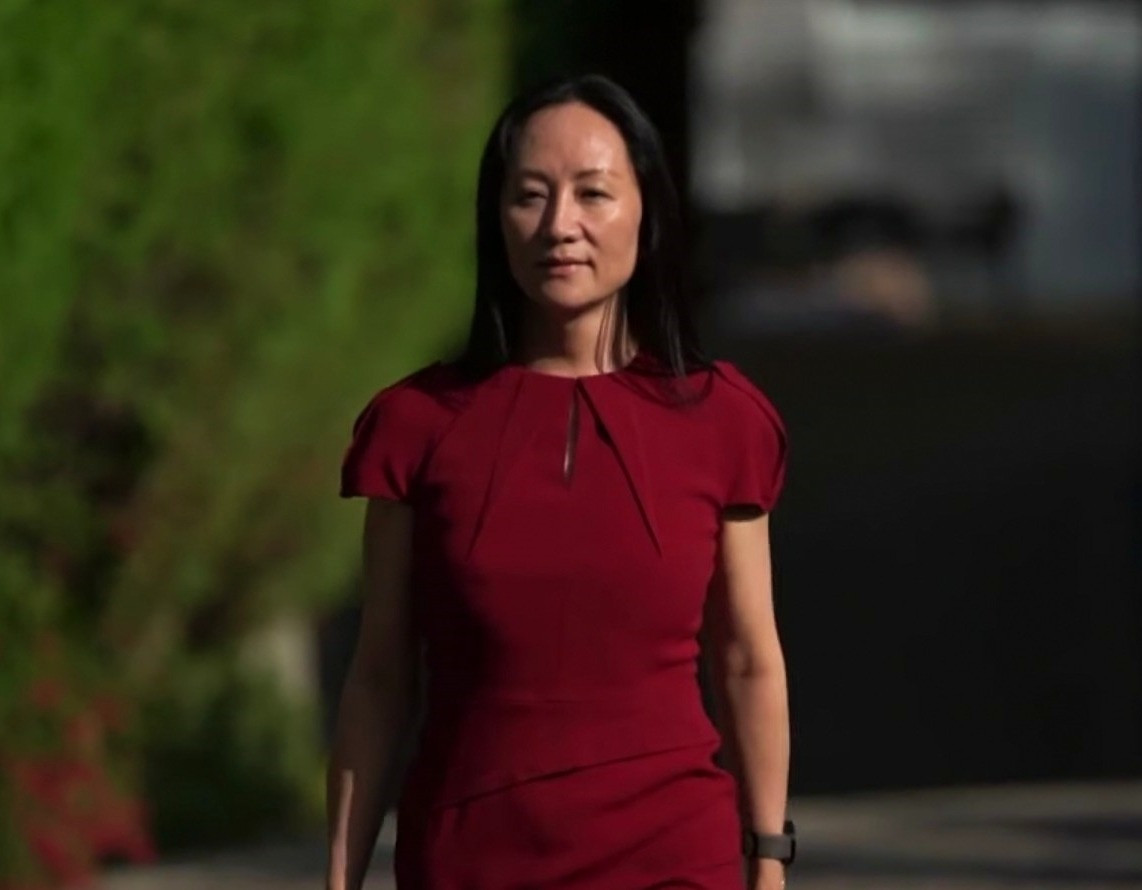
Huawei senior official Meng Wanzhou was also named in the case. She was detained in Canada in December 2018 at the request of the US. US prosecutors questioned her role in the banking charges related to business in Iran. She was able to return to China in 2021 after reaching an agreement with US prosecutors. The case against her was later closed, but the trial against Huawei continued.
It is not yet clear how much Huawei will be fined following the jury’s verdict. Sentencing is scheduled for September 2027. The company may also appeal the verdict. It is therefore too early to say how much the decision will affect its business.
Still, the verdict is an important part of the ongoing tensions between the US and China over technology. The US wants to prevent the misuse of its companies’ technology and confidential information and ensure compliance with restrictions on business with countries such as Iran. Huawei says the charges against it are false and that it will present its case in court. The case will now move towards sentencing and the possibility of an appeal.