
Trump backs off from war with Iran as US weapon stock runs out

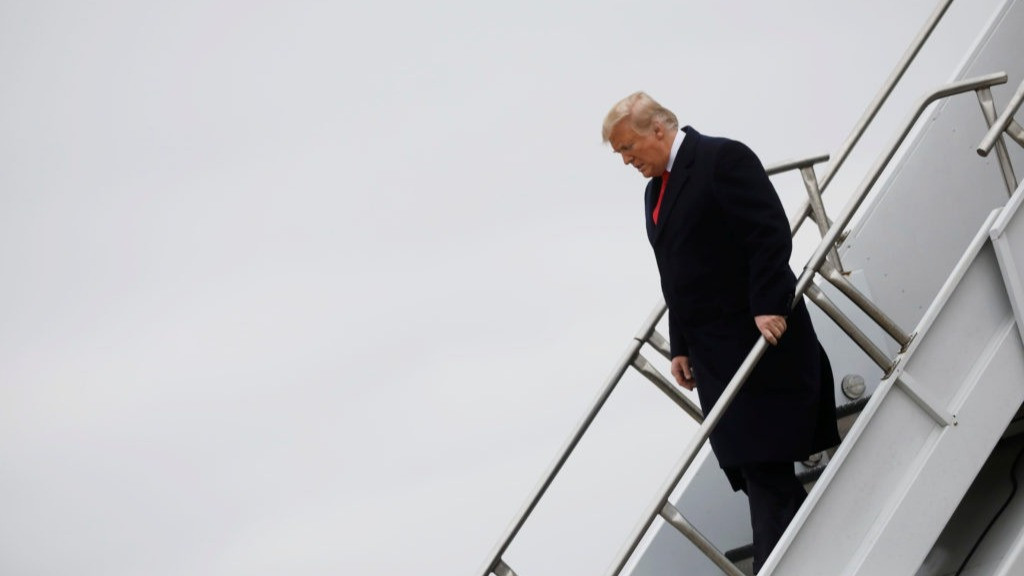
Trump has postponed the US military strike against Iran for now.
U.S. President Donald Trump has postponed plans to rapidly escalate military attacks against Iran for now. After continuous bombing for 13 days, the U.S. has run out of its stock of weapons. The U.S. military will now stockpile Patriot missiles and will conduct further attacks. This report has been published by The New York Times and Axios. Vice President Pence has stated that the ceasefire with Iran was previously done only to replenish the stock of oil and weapons.
According to The New York Times and Axios, various reports have indicated that the rate at which weapons are depleting due to the war with Iran and supplies to Israel is not being matched by production. When manufacturing capacity generally decreases, it also affects the supply of weapons. Trump is now increasingly concerned that further escalation of the war could dangerously deplete the stock of Patriot anti-missile interceptors and other air defense weapons available to the Pentagon in the Middle East.
Officials in the Trump administration have stated that the threat to the interceptor stock is one of several factors that have made initiating large-scale fighting a very risky endeavor. Trump and his close associates are also worried about the potential for war to spread in the Middle East, the distancing of key Gulf allies facing the threat of Iranian attacks, the possibility of a global economic crisis, and the increasing likelihood of an energy and refugee crisis.
According to reports, this new shift in Trump's stance regarding confrontation with Iran came after a meeting with his top advisors and senior cabinet members on Friday. Officials, speaking on condition of anonymity while discussing operational matters with The New York Times and Axios, noted that the meeting focused on the dwindling number of Patriot interceptors and other air defense weapons at the Pentagon. A senior U.S. official reported that three American soldiers were killed last Friday in Jordan when a ballistic missile evaded U.S. air defenses that were attempting to intercept Iranian missiles and drone attacks.
It has been reported that in a recent high-level meeting, the Pentagon informed Trump that the stock of Patriot interceptors and other air defense weapons is rapidly decreasing. Following this meeting, Trump decided to temporarily halt plans for large-scale new attacks.
The report also stated that the Trump administration is not only concerned about the shortage of weapons. There is a fear that if the war escalates, tensions could rise throughout the Middle East, relations with Gulf countries could be affected, the global energy crisis could deepen, and the number of refugees could also increase.
Meanwhile, General Dan Keen, Chairman of the U.S. Joint Chiefs of Staff, has also warned Trump that while it is possible to launch a large-scale attack against Iran again, it would dangerously reduce the air defense interceptors available to the U.S. military.

According to the report, the U.S. is also considering how to fully secure the Hormuz Strait again. The increased tensions in recent weeks have also impacted gas and energy prices. U.S. officials believe that recent large attacks have not exerted the expected military pressure on Iran, and this has not made Iran willing to negotiate.
However, Trump has made it clear that the U.S. is fully prepared. He stated that military action will be taken if necessary, but the path for diplomatic negotiations will also remain open. Some of Trump's close advisors, including his son-in-law Jared Kushner, believe that maintaining economic pressure on Iran and continuing negotiations may be a safer option than escalating the war at this time.
In the meantime, the U.S. has also increased economic pressure on Iran. The Treasury Department has imposed new sanctions on nine companies and four individuals linked to Iranian businessman Babak Zanjani's network. Meanwhile, U.S. Treasury Secretary Scott Basset claims that in recent months, China has reduced its purchases of crude oil from Iran by nearly 40 percent, impacting Iran's oil revenue.