
Home Ministry seeks 15 years of data based on religion

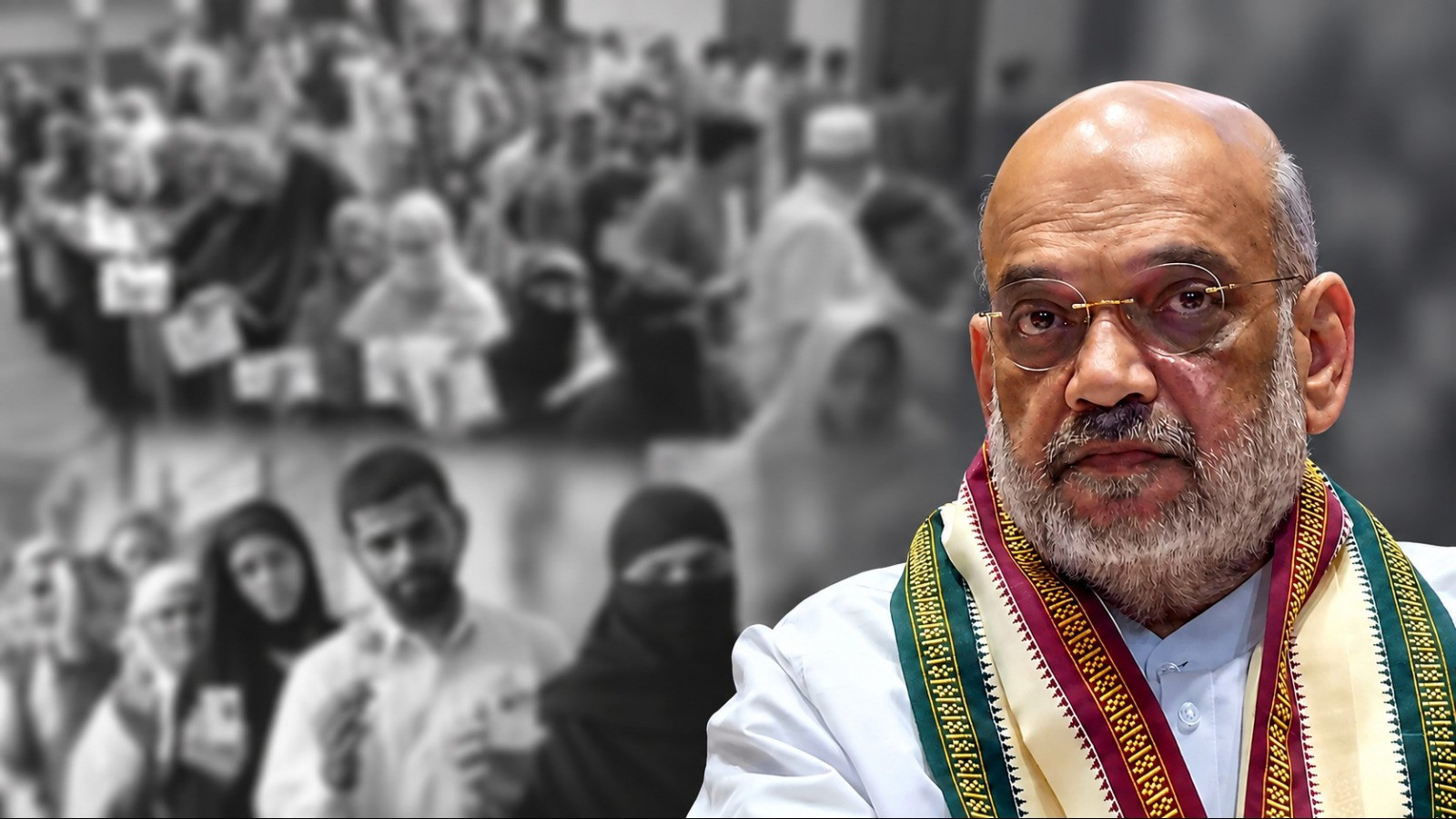
The Central Home Ministry has also requested detailed information about religious sites.
The high-level committee on demographic changes of the Union Home Ministry has sought detailed information from state governments for the past 15 years. According to a report by The Hindu, the committee wants to know what changes have occurred in birth registrations, school admissions, vehicle registrations, and property transactions based on religion in various districts during this period. However, state government officials say that most departments do not regularly compile or maintain such data. As a result, answering all the committee's questions has become a significant challenge for them.
The high-level committee on demographic changes, or HLCDC, was constituted in May 2026 under the Union Home Ministry. Retired Supreme Court judge Prakash Prabhakar Naolekar is chairing it. The committee has been tasked with studying demographic changes caused by illegal migration and other 'abnormal reasons' and suggesting measures to address them. Its formation followed Prime Minister Narendra Modi's announcement on August 15, 2025, where he raised the issue of 'unnatural demographic changes.'
A report by The Hindu states that the scope of questions sent to the states by the committee is quite broad. It has not only requested direct data related to the population but also sought details of government records based on religion that departments generally do not compile in that form. This includes records such as birth registrations and school admissions, as well as vehicle registrations and property transactions. States have been asked to provide this information for the past 15 years, categorized by district and religion.
According to officials, the difficulty begins here. A department may have the total number of births, vehicles, or property registrations, but that does not mean reliable data can be extracted based on religion for the past 15 years from its records. Where information has not been recorded in that format, it will be challenging to compile it by reviewing old records. Collecting information from different departments at the state level can also be a lengthy process in itself.
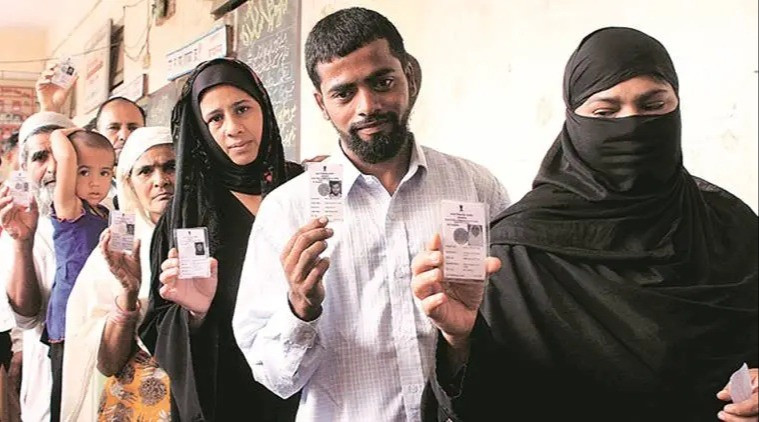
The committee has also sought information on unusual trends in voter registrations and school admissions from the states. The question is which districts or areas show an unusual increase in registration numbers and what could be the reasons behind it. Officials face the challenge of record availability and comparison in this regard as well. Especially where information has not been maintained by generation or religion, presenting a concrete picture of any changes will not be easy.
The Congress has opposed the committee's effort to seek data from state governments based on religion regarding demographic changes.
Detailed information about religious sites has also been requested. The committee wants to know how many religious structures such as temples, mosques, and churches have been established in various districts over the past 15 years. It has also sought other available information related to religious sites. The committee has requested details of studies and intelligence assessments regarding conversions in Scheduled Tribe communities from the states.
Another important question relates to changes in the religious population of various regions. The committee has sought information on border districts, tribal areas, and regions covered under the Fifth and Sixth Schedules of the Constitution. The Fifth Schedule has special constitutional provisions for the administration of areas and the protection of tribal interests. The Sixth Schedule provides for autonomous district councils in certain tribal areas of Assam, Meghalaya, Tripura, and Mizoram. The committee wants to include information related to these areas in its study.
Some officials from non-BJP ruled state governments have also raised questions about the secular nature of the Constitution in the context of collecting such extensive data based on religion. They argue that government departments generally do not maintain records based on religion during routine administrative operations. Therefore, the question is not just about sending data, but also about understanding to what extent the requested information can be prepared from existing records.
This exercise is also being compared to the Sachar Committee. That committee was constituted in 2005 to study the social, economic, and educational status of the Muslim community in India.
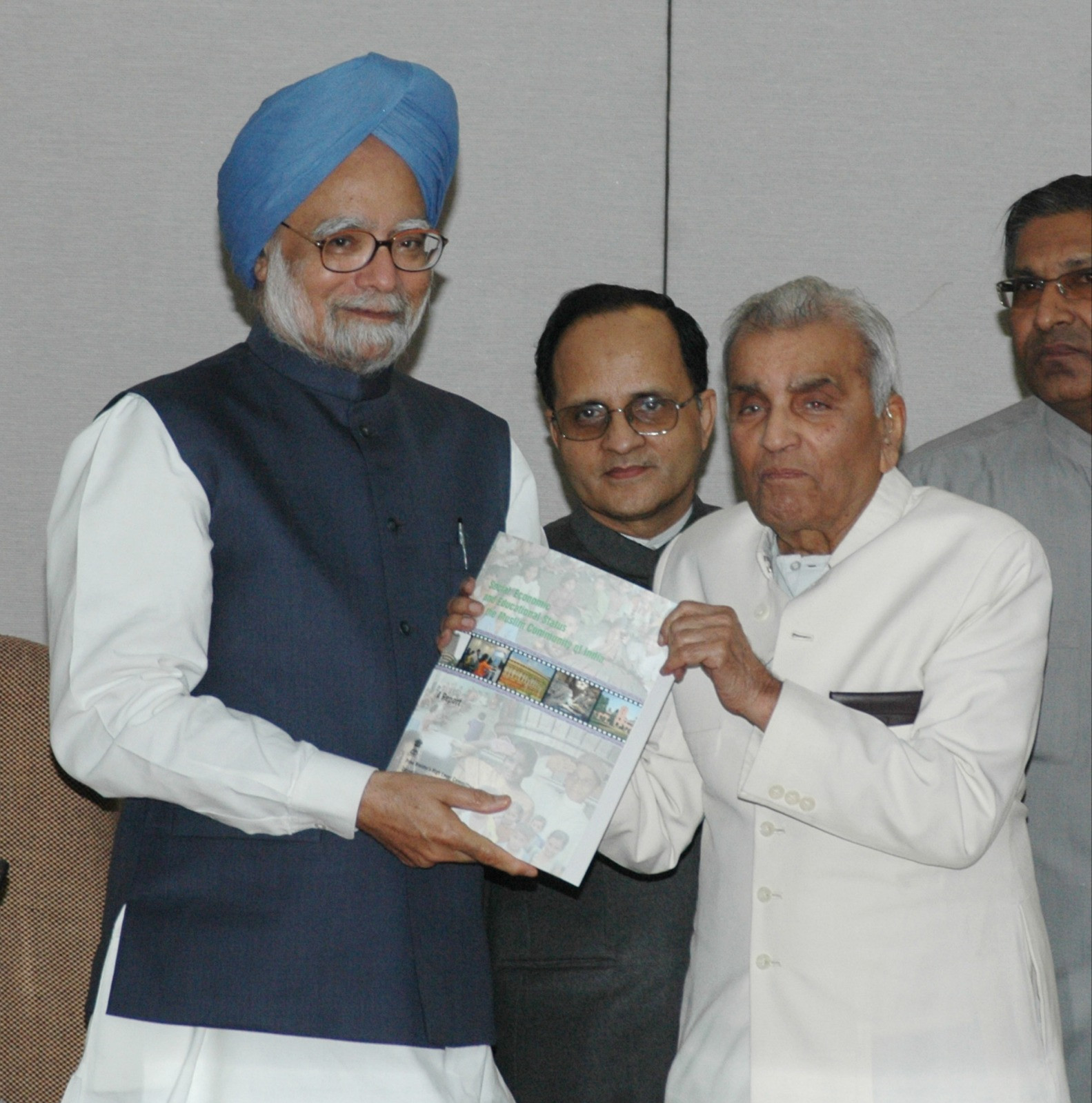
It is important to note here that some aspects of the recommendations of the Sachar Committee in 2006 were opposed by the then opposition party BJP.
Now, the immediate question before state governments is what data they can provide to the committee based on their existing records and which questions cannot be answered due to lack of information. The comprehensiveness of the committee's report will largely depend on the availability and quality of data received from the states.
According to the report,
the committee has sent a questionnaire of 35 questions to the states. This includes details of birth registrations, school admissions, vehicle registrations, and property transactions based on religion and district. Information on unusual increases in registrations of Aadhaar, voter ID cards, and ration cards has also been requested.
States have been asked to provide details of religious sites, including temples, mosques, and churches built in the past 15 years, along with their GIS mapping. The committee has also sought information on changes in the religious population in cities, industrial centers, border districts, and tribal areas. Studies and intelligence assessments related to conversions in Scheduled Tribe communities are also part of the questionnaire.
Officials have stated that most of the information requested based on religion is not available, except for birth registrations and statistics of migrants caught or deported without valid documents. According to them, the constitutional framework is also a reason why government departments do not generally collect such data.
The committee has also sought information about detention centers, organized crime related to fake identity documents and undocumented migrants, human trafficking, and drug-related crimes. Additionally, states have been asked for details of measures taken to prevent unauthorized migration and settlement.
The committee has already visited the Jammu region and plans to go to Maharashtra. Government sources have also informed The Hindu that the data requested regarding voters removed from the electoral rolls on the basis of suspected foreign citizenship during the special intensive revision of the voter list in Bihar has not yet been provided to the committee by the Election Commission.