
Justice for Sahil, equality on campus: Why AISA is demanding a Rohith Vemula Act

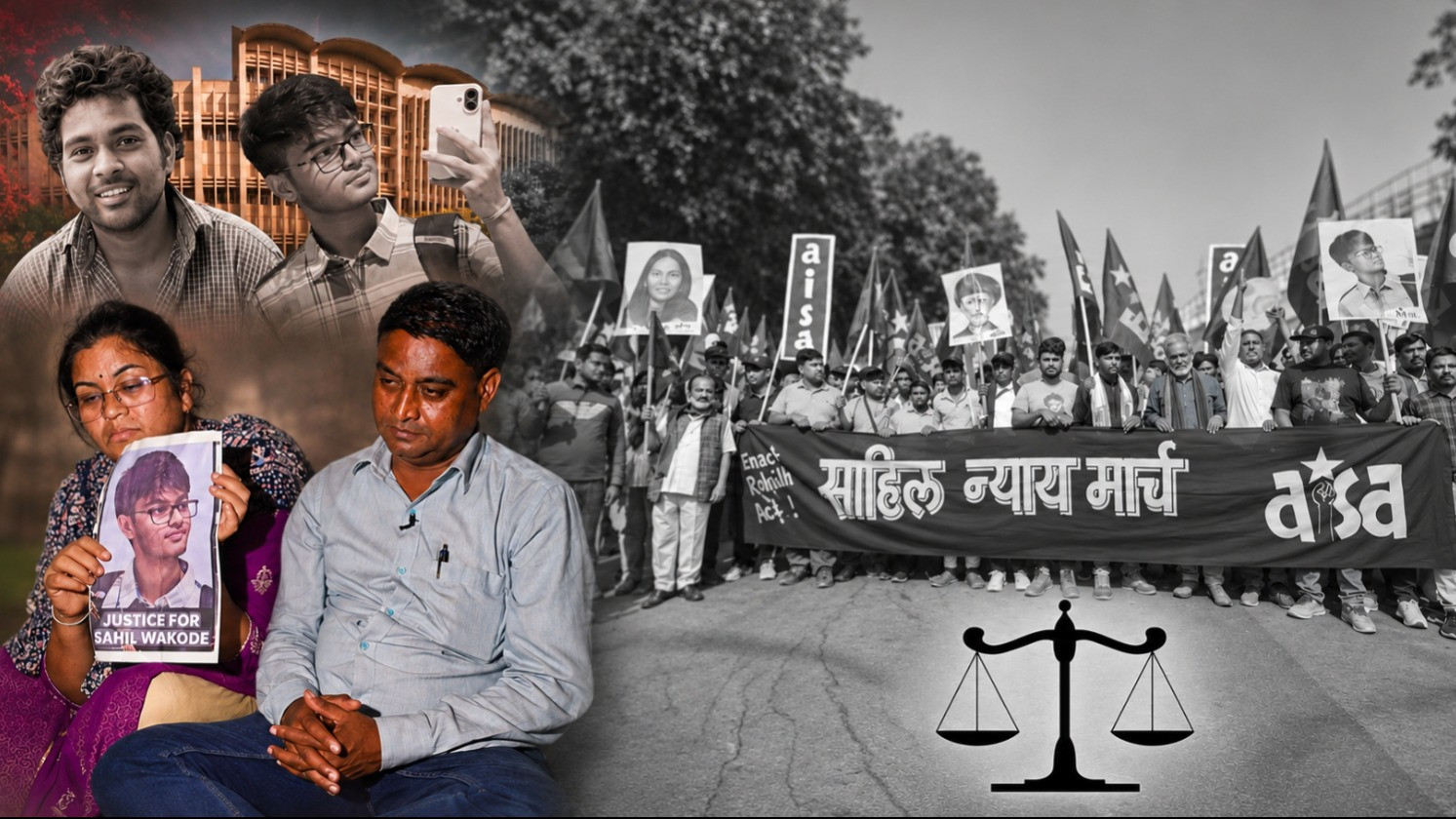
AISA demanded justice for Sahil Wakode and a Rohith Vemula Act to prevent caste-based discrimination in educational institutions.
When a student faces discrimination, humiliation or mental pressure, and the support system also fails to stand by them, it is a matter of concern for society as a whole. Suicide can have many complex causes, but every such incident compels us to ask why a person in distress did not receive timely support. The government and society have a responsibility to ensure that every citizen has the opportunity to live a safe and dignified life. AISA activists are also trying to remind people of this responsibility.
Admission to the country’s premier educational institutions is seen as the beginning of a better future. But when a student’s family has to take to the streets to seek justice after their death, it raises questions about the campus environment and student safety. The ‘Sahil Nyay March’, held in Nagpur on Saturday, November 28, focused on these questions. The All India Students’ Association, or AISA, demanded justice for IIT Bombay student Sahil Wakode and the enactment of a Rohith Vemula Act to prevent caste discrimination in educational institutions.
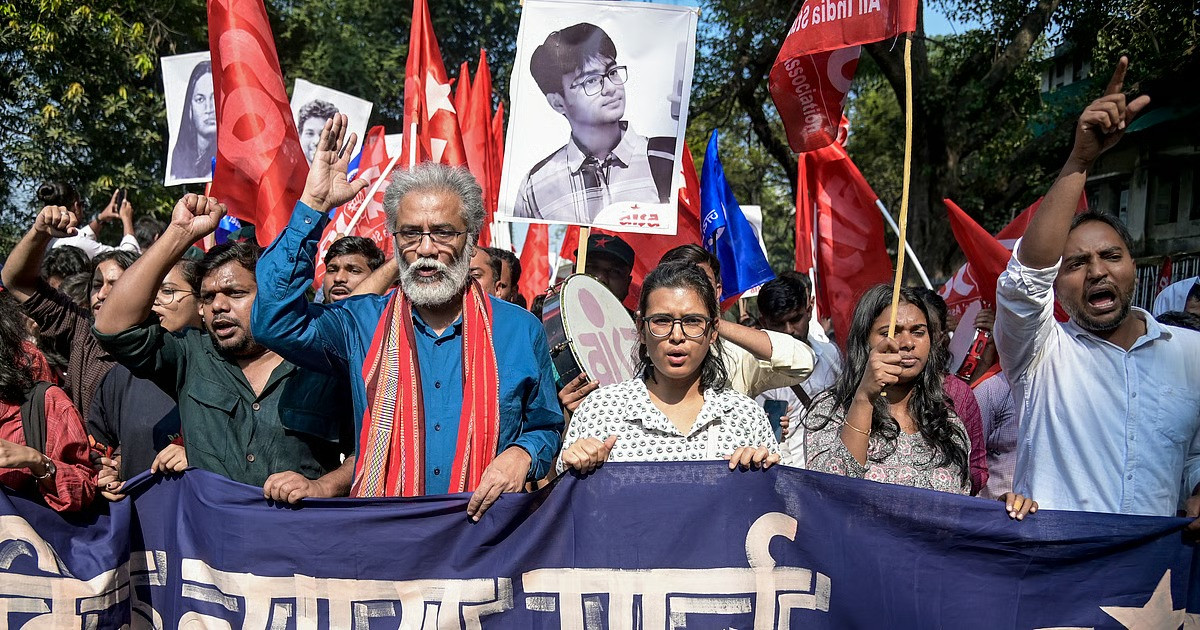
The march began at Nagpur’s Constitution Square, led by AISA national president Neha Bora. Sahil’s father, Ravindra Wakode, also took part. The protesters said students’ safety and dignity must be ensured in colleges and universities. The march was held on the occasion of AISA’s 11th All India Conference. The organisation’s three-day conference is being held in Nagpur from November 28 to 30.
Sahil Wakode was a second-year BTech student in the Department of Energy Science and Engineering at IIT Bombay. He died on September 18. His family alleges that he faced caste discrimination and mental pressure. The institute, however, has denied the allegations of discrimination. The family’s complaints and the institute’s response therefore need to be investigated impartially.
The alleged use of unfair means during an examination is also part of the investigation into the case. But an allegation that a student broke the rules does not justify treating them in a humiliating manner. At the same time, such an incident does not by itself establish caste discrimination. The investigation should establish what actually happened, how the people concerned behaved and what steps were taken in response to the student’s complaints and concerns.
The National Commission for Scheduled Castes had also intervened in the case. Commission chairperson Kishor Makwana visited IIT Bombay on September 24 and spoke to officials, students and Sahil’s family. According to an official release, the Commission had asked the institute to preserve CCTV footage, electronic records, examination-related documents and other evidence. At the time, the Mumbai Police Crime Branch was investigating the case.
In October, the police recorded statements from the institute director and the professor concerned. According to The Indian Express, both denied allegations of casteist remarks and said the institute’s rules had been followed. The family has alleged discrimination and pressure. In such cases, responsibility can be established only through a timely and impartial investigation based on evidence.
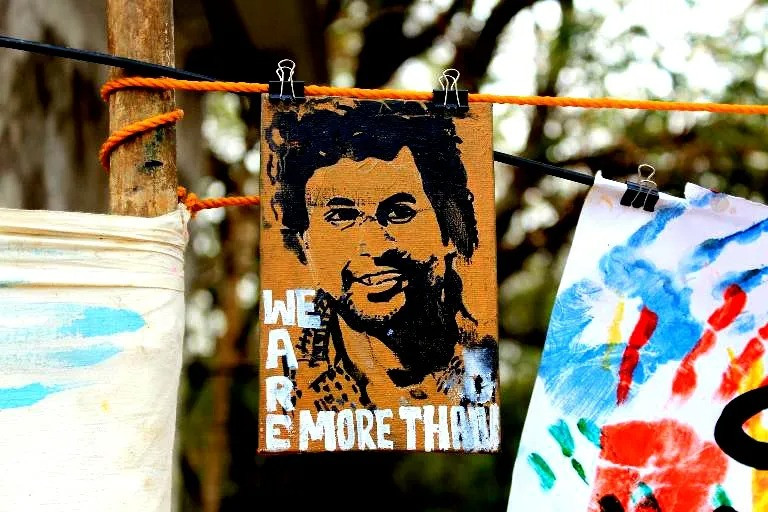
Against this backdrop, AISA has reiterated its demand for a Rohith Vemula Act. Rohith Vemula was a research scholar at the University of Hyderabad who died in January 2016. His death led to protests across the country against caste discrimination in educational institutions. The demand for a law in his name is intended to create a system in which complaints of discrimination are heard, independently investigated and followed by action against those responsible.
It is important to understand a distinction here. ‘Rohith Vemula Act’ is not the name of a single, uniform law in force across the country. It is a demand for a special law to prevent discrimination. Different proposals have been put forward. In April 2026, the Karnataka Cabinet approved the draft of a related Bill. But Cabinet approval is different from a Bill being passed and becoming law.
Organisations campaigning for this law in Karnataka have urged the government to make the Bill public and pass it in the upcoming session of the Assembly. According to a recent report by Maktoob , those involved in the campaign say the process has not moved forward despite the approval in April. They have said they plan to hold a ‘Jan Sansad’ in Belagavi. Civil society organisations also have their own draft, which should not be considered the same as the government’s Bill.
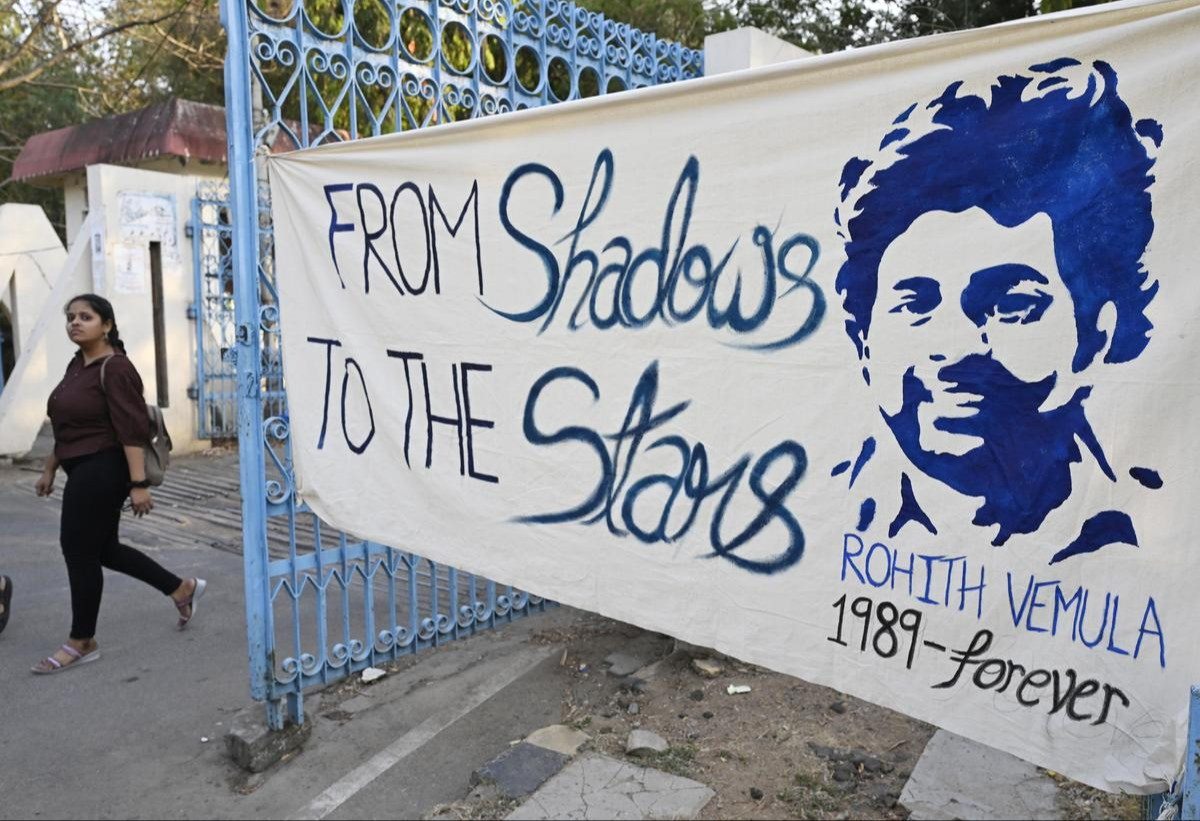
The importance of such a law for students will depend on how effectively it addresses their concerns. Where should a complaint be filed? Will the identity of the complainant be protected? Will the investigating committee be independent? Will students be protected from retaliation? Clear answers to these questions are essential. There should also be provision for mental health support, academic assistance and financial help for students in need.
The Sahil Nyay March in Nagpur links one family’s demand for justice with the larger question of equality in educational institutions. It is now important to clarify the progress of the investigation into Sahil’s case and to hold a serious discussion on proposals to prevent discrimination. An educational institution is not defined only by its rankings or successful students. A true measure of it is also how safe and respected every student feels there, and how seriously their concerns are heard.
If students continue to face caste-based discrimination and harassment despite rules and regulations, the government and educational institutions must examine the shortcomings in their systems. Courts and the relevant commissions should also respond to complaints in a timely manner. They should take suo motu cognisance where necessary and fix accountability. The values of equality and fraternity enshrined in the Constitution will be meaningful only when they are reflected in students’ everyday experiences.