
Fruits and vegetables missing from children's plates in India and Pakistan

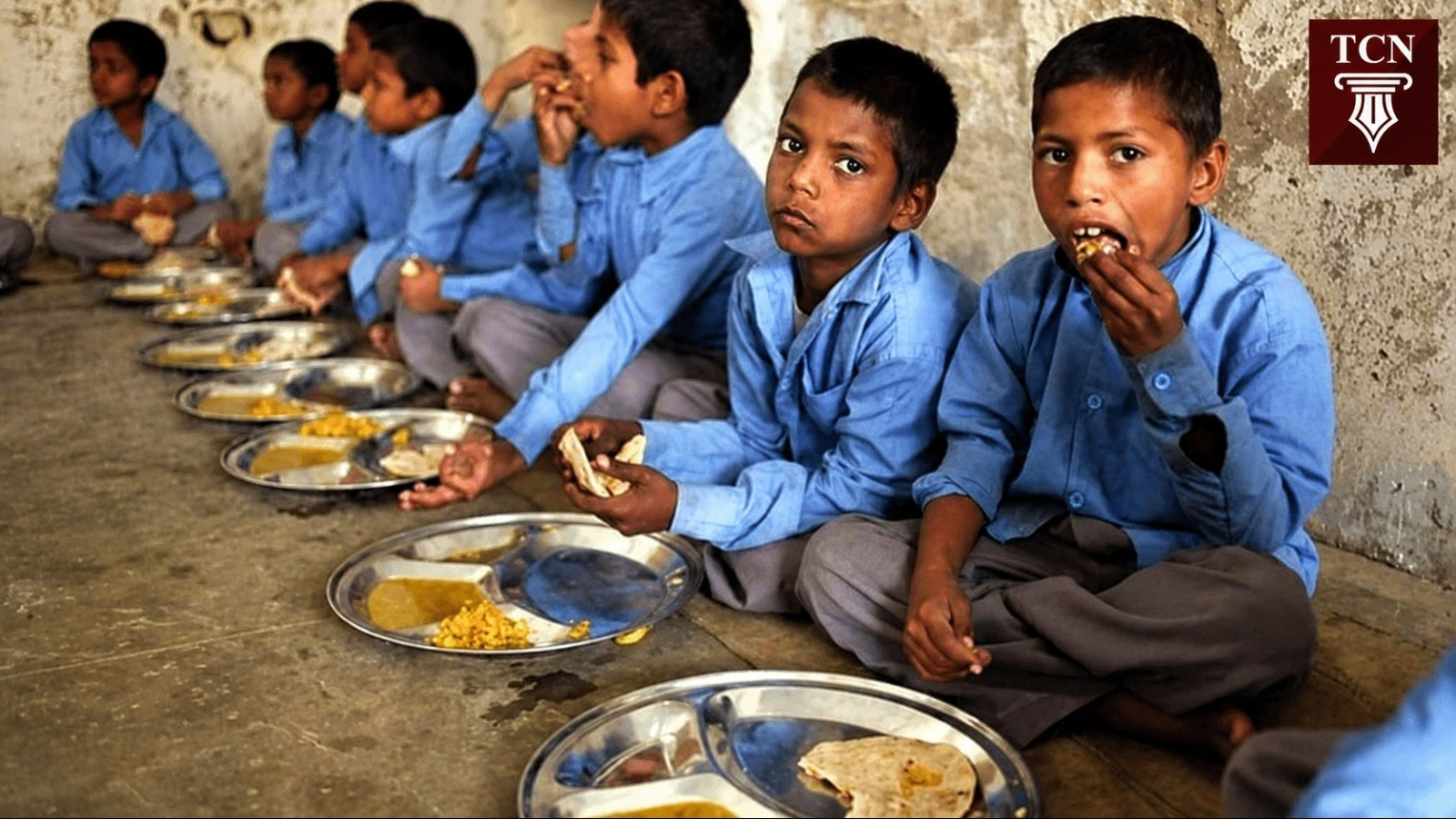
A global study reveals a significant lack of nutritious food in Indian children's diets.
It is said that the eating habits formed in childhood determine the health trajectory for life. However, the worrying fact is that across the world, millions of children's plates are gradually losing the most crucial sources of nutrition—fruits, vegetables, pulses, beans, nuts, and seeds.
According to Down To Earth magazine, a new global study conducted on this concern reveals that,
most children around the world are not consuming enough fruits, vegetables, pulses, beans, nuts, and seeds necessary for healthy development. This can affect their physical and mental growth as well as their future health.
This study was led by researchers associated with Tufts University, and its findings have been published in the prestigious medical journal BMJ Global Health . Researchers state that plant-based foods are crucial for children's physical growth, brain development, learning ability, mental agility, and prevention of many non-communicable diseases in the future. Despite this, most children worldwide are consuming far fewer fruits and vegetables than the amounts recommended by experts.
The study analyzed data from more than 1,248 dietary surveys conducted in 185 countries between 1990 and 2018. It assessed the consumption of five major plant-based food groups—fruits, non-starchy vegetables, starchy vegetables (excluding potatoes), pulses and beans, and nuts and seeds—in the diets of children and adolescents from birth to 19 years. According to the study,
globally, children under one year of age consume an average of only 1.19 servings of plant-based foods per day. For adolescents aged 15 to 19, this amount increases to 3.55 servings per day, but this is still significantly less than the recommended amount by experts. Overall, children worldwide consume an average of only 2.8 servings of plant-based foods per day. The study also compared the 25 most populous countries in the world. In terms of plant-based nutritious food for children under two years of age, Pakistan and India were found at the bottom. According to the report,
children under two years of age in Pakistan consume an average of only 0.41 servings per day, while in India, it is 0.54 servings. The main reason for this is the very low intake of fruits and non-starchy vegetables. Ethiopia is also among the countries at the bottom of this list.
What does one serving mean?
The study also defined the standard for one serving according to different age groups.
For fruits:
- 6 to 11 months old infants: 49 grams
- 12 to 24 months old children: 75 grams
- 3 to 19 years old children and adolescents: 100 grams
For non-starchy vegetables:
- 6 to 11 months: 44 grams
- 12 to 24 months: 50 grams
- 3 to 19 years: 100 grams
A serving of other starchy vegetables, excluding potatoes, is set at 42 grams, 47 grams, and 160 grams respectively. A significant finding of the study was that in many high-income countries, the consumption of fruits and vegetables decreases as children grow older. The United States is a prime example. There, children under two years consume about 2.7 servings of fruits and vegetables daily, but this decreases to 1.8 servings between the ages of 2 and 19.
According to the report, children in South Asia have the lowest consumption of plant-based foods across almost all age groups. In contrast, children in East and Southeast Asian countries consume the most fruits and especially non-starchy vegetables. Comparing countries, children in Vietnam, Congo, and Mexico consume the most plant-based foods, while Spain, Pakistan, and Britain lag behind in this regard.
The study also found that in most regions, girls consume slightly more fruits and vegetables than boys. Urban children's diets were found to be more balanced compared to rural children. Additionally, in families with higher education levels, children's diets included a greater quantity of almost all types of plant-based foods.
The research results indicate that while the consumption of plant-based foods has increased globally from 1990 to 2018, this improvement is still not sufficient. The most concerning aspect is that throughout this period, South Asia remained a region where no significant progress was recorded in this direction. The study's lead researcher, Sydney Yerly, states that eating habits developed in childhood affect health throughout life. Therefore, it is crucial to make nutritious food accessible and affordable for children. Meanwhile, senior researcher Dr. Dariush Mozaffarian notes,
if children do not receive the right food, it affects not only their bodies but also brain development, energy levels, learning ability, mood, and metabolism.
The current situation is that green vegetables, pulses, fruits, and nuts are continuously decreasing on children's plates, while the consumption of junk food and sugary drinks is rapidly increasing. Experts believe this is not just a childhood nutrition issue but could also lay the foundation for serious diseases like weakened immune systems, obesity, diabetes, and heart disease in the future. Experts warn that the continuous disappearance of fruits and vegetables from children's plates is a serious indicator for the health of future generations. If effective steps are not taken in time, society may have to pay a high price in terms of increasing diseases, weakened health, and a decline in quality of life in the future.