
A Dalit is exploited every 10 minutes even today
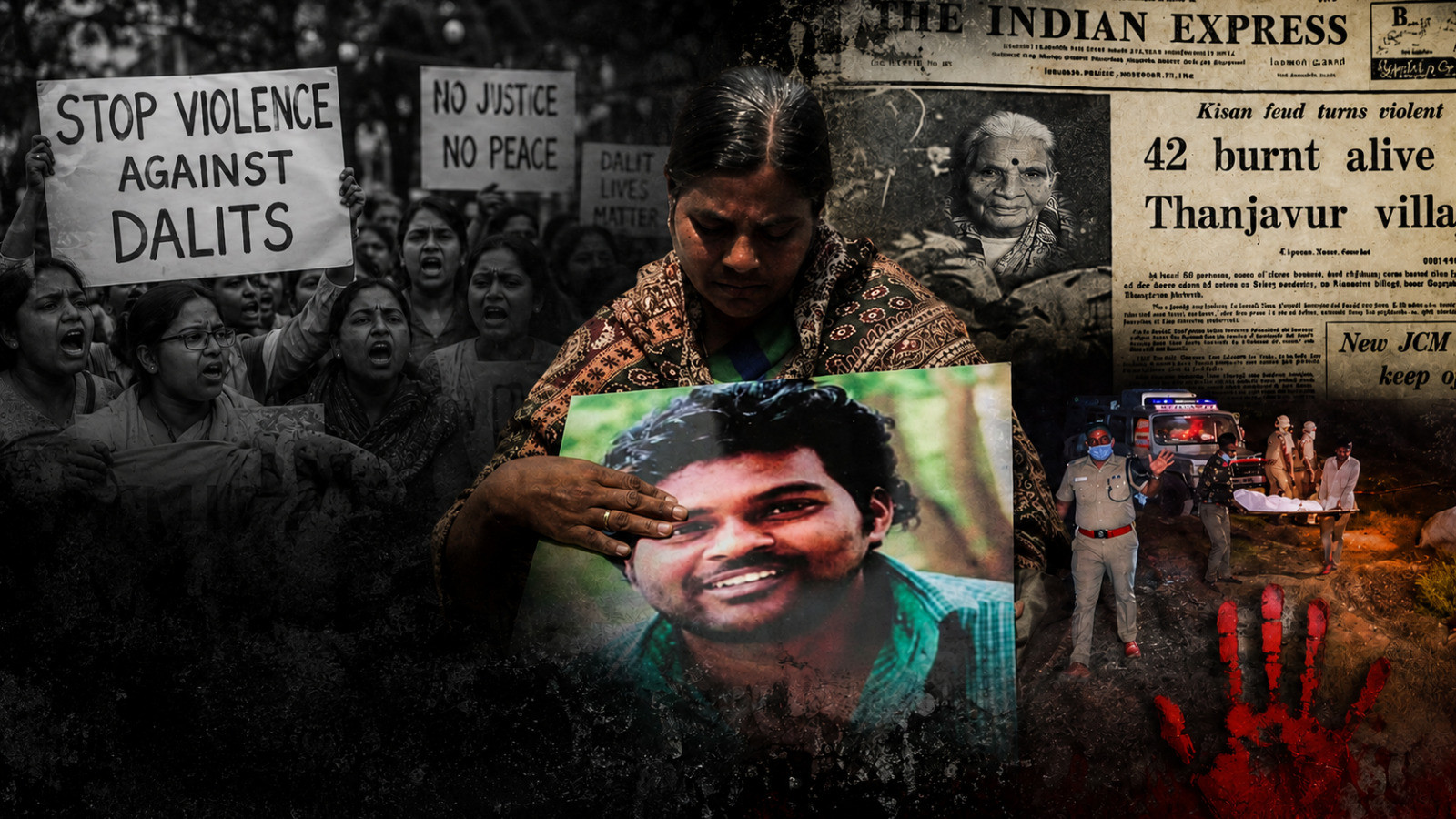
What has changed three decades after the SC/ST Atrocities Act?
There is no need to mention how untouchable castes were treated in pre-independence India. However, those who wish to make hollow statements should read the Round Table Conference. Today, many absurd people make statements on social media and in society, questioning how Dalits survived for thousands of years without water. My advice is that they do not need to flip through too many pages of history; they should just read about the politicians who participated in the Round Table Conference.
This is the same Round Table Conference where Dr. Ambedkar silenced everyone on the issue of untouchability and exposed the lies of your false Hindutva to the world. He laid bare the hidden falsehoods among Hindus for all to see.
In independent India, many provisions were made in the law to bring equality and integrate the backward and oppressed communities into the mainstream. Due to these main provisions and clauses of the law, the feudal groups, who considered exploitation, oppression, and tyranny over others their birthright, found these policies of law intolerable. They could not bear that the society which had been groveling before them was now wanting to speak to them eye to eye. Until now, they had succeeded in keeping the labor castes in the manner they desired, but in independent India, due to constitutional rights, they were seeing their feudal, casteist system crumbling, which they could not easily let slip from their hands. Thus began the conflict between the freeloaders and the laboring castes. Here are some examples of this struggle.
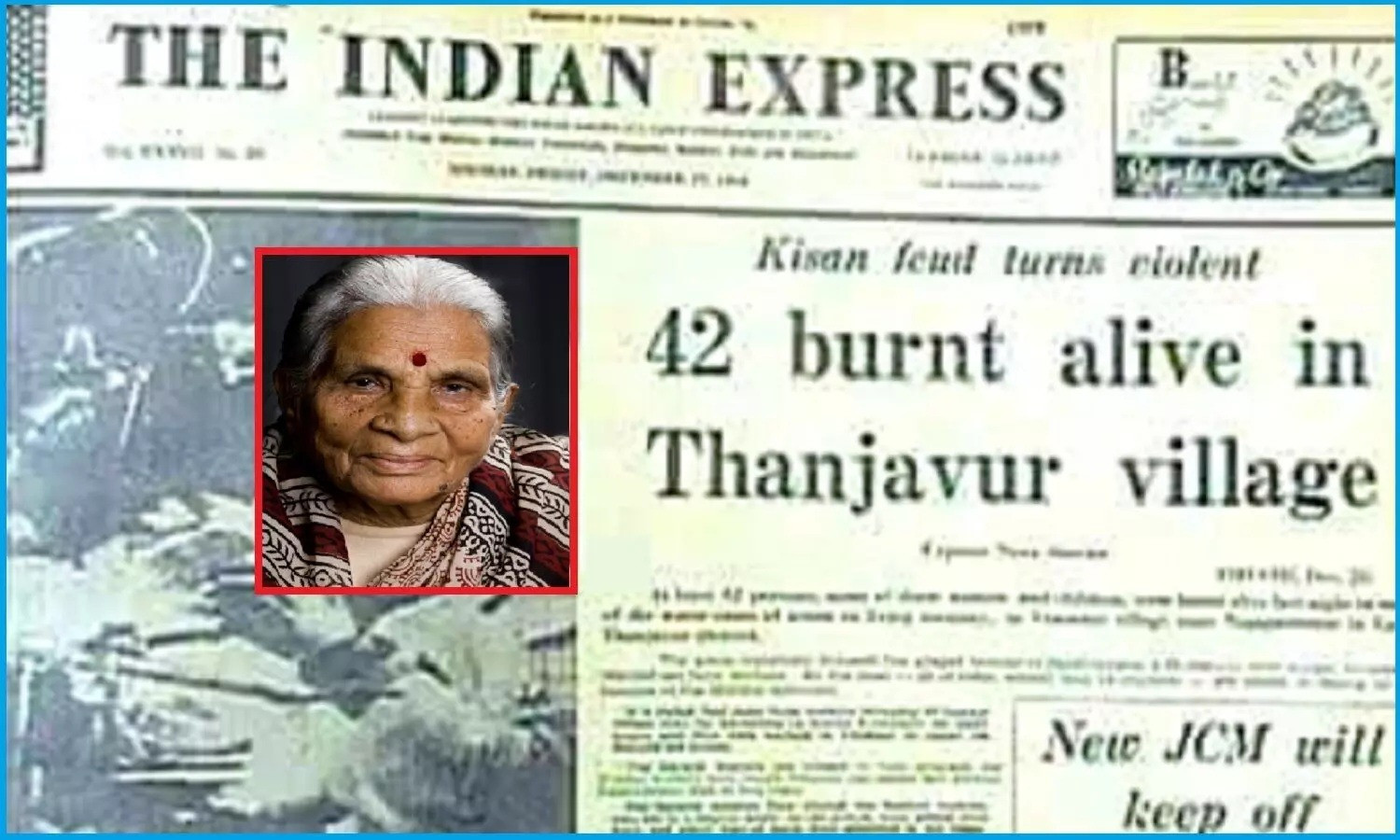
1- The biggest example of this is the massacre that took place in Tamil Nadu in 1968, which bled the soul of independent India. It is known worldwide today as the Kilvenmani massacre. It was merely about increasing wages by a few rupees. However, this angered the landlords so much that they decided to punish the Dalits for this "audacity" in such a horrific manner that no poor person in the country would ever dare to raise their voice against any feudal lord. 200 armed men surrounded the entire settlement of huts at midnight on December 25 and dragged everyone out, beating them and burning them alive.
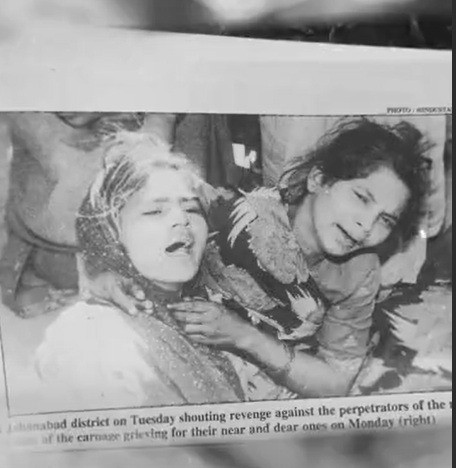
2- After the Emergency, on May 27, 1977, in the village of Belchhi near Patna, Bihar, due to a land dispute, the feudal and landlord people of the village tied up 11 Dalits and burned them alive. This incident caused a political earthquake at the time. It is believed that this incident helped Indira Gandhi return to politics.
3- Three years after this incident, on November 18, 1981, in the village of Dihuli in Mainpuri district of Uttar Pradesh, more than 24 Dalits were shot dead in broad daylight by a gang of dacoits (which included all upper-caste individuals) due to some Jatav witnesses against them. It should be noted that the incident of gang rape of Phoolan Devi also occurred during this period, and the famous poem Thakur ka Kua by Om Prakash Valmiki was also written during this time.
4- In Karamchedu village of Prakasam district in Andhra Pradesh, both so-called upper castes and Dalit castes lived together. As is the history across the country, all the land in this village was dominated by the upper castes, primarily the Kamma. There was always a struggle between both communities for wages and water from ponds. On July 17, 1985, some youths from the Kamma (upper caste) began washing their buffaloes in the pond adjacent to the Dalit settlements, from which they drew water. When some boys and women protested against this, they took offense. Thus, at night, they organized many villagers and attacked the Dalit settlement, raped their wives, and killed dozens of people.
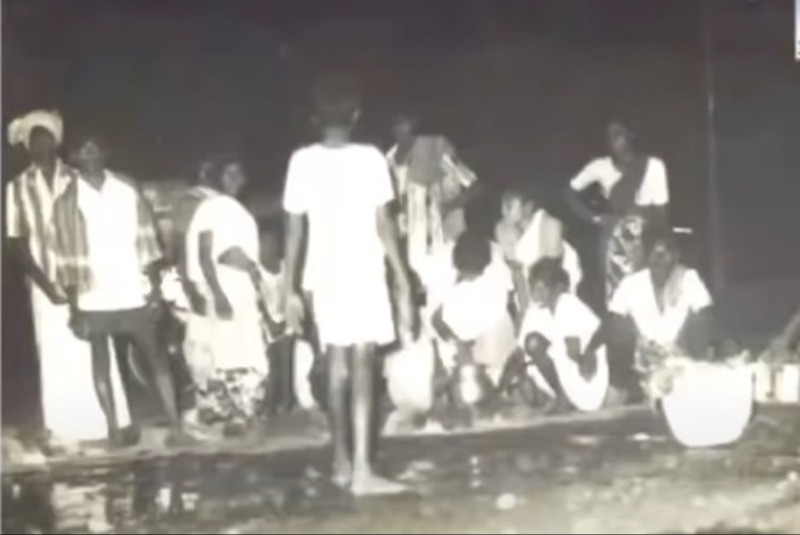
“This is one of the largest and most shameful Dalit massacres between 1950 and 1990, which the government has been hiding from the world. The daily incidents of untouchability, violence, humiliation, and exploitation are beyond count. For weeks, people from Scheduled Castes and Tribes were forced to work for wages and to beg for their earnings, to keep long hair, to have mustaches, to ride horses, and to have good names, and whenever they wanted, they were beaten in public. From factory labor to working in the fields, women from the marginalized communities had to endure humiliating words and abuses from landlords and so-called upper castes every morning and evening.”
The Constitution's framers declared untouchability a crime in the country under Article 17. However, those whose mindset had become conservative over thousands of years were not likely to change. Therefore, such massacres continued unabated in the country.
To curb such crimes, the government presented the Scheduled Castes and Scheduled Tribes (Prevention of Atrocities) Act Bill on September 11, 1989, and this law came into effect on January 30, 1990. Between 1990 and 1992, there was significant turmoil in Indian politics.
After this law was enacted, when arrests began, the so-called upper castes, including backward castes and Muslim castes, began to realize the power of this law. Hence, the frenzy between action and reaction began to escalate. While mass massacres stopped, the daily exploitation increased, with crimes such as entering temples, keeping mustaches, riding horses, and fighting for political representation becoming more common, as seen in the Kherlanji incident. On the other hand, these so-called upper castes and those who considered themselves superior to Dalits began to accuse the Act of being misused. They started arguing that the Dalit community was abusing this Act.
In fact, until now, most cases registered under this Act have seen a justice rate of less than a quarter. It also takes decades. Suppose someone in a village behaves rudely towards a Dalit, for instance, causing a ruckus at their daughter's wedding. The Dalit, feeling aggrieved, files a report at the police station. Action is taken on the case, which then turns into an investigation and trial. This process continues for a few years, and since both belong to the same village, other villagers try to mediate between both sides.
The biggest problem for Scheduled Castes and Scheduled Tribes is that they have to work as laborers in their own fields, have to hold their sisters' and daughters' weddings in those same fields, and have to borrow money from them in times of need. Therefore, they cannot endure the legal process for long and end up settling with their opponents outside of court. Showing such statistics, the non-Dalit society raises the issue of misuse of this Act, labeling it as fraudulent.
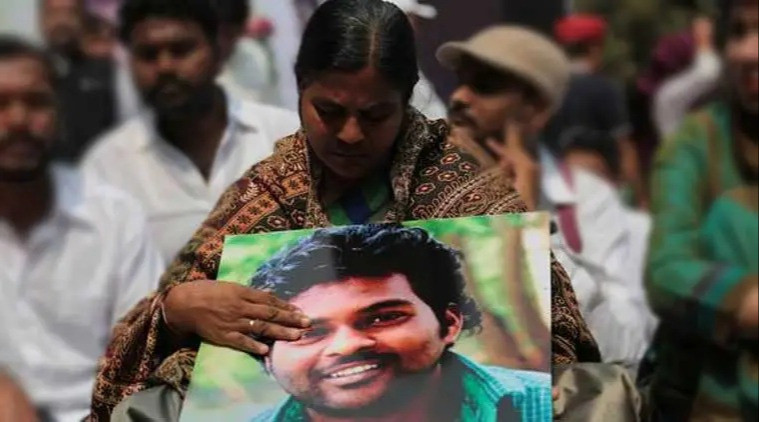
Under pressure from these figures, on March 20, 2018, a bench of Supreme Court judge Subhash Mahajan spoke about amending this Act. Meanwhile, incidents such as the Una incident, Rohith Vemula, and Payal Tadvi suicide case also occurred. The main objective of this amendment was that immediate arrests under this Act would no longer take place. This was strongly opposed by Dalit organizations across the country. Today, the leader of the Azad Party, Chandrashekhar Azad, had just started his Bhim Army at that time, but he called for a Bharat Bandh on April 2, 2018, which brought the government to its knees, forcing it to retreat.
Despite this dual character of society, on September 14, 2020, in Hathras, Uttar Pradesh, a Valmiki girl was raped and the perpetrators left her, resulting in her death 15 days later during treatment in hospitals. This incident of rape shook the government, putting such pressure on the Uttar Pradesh government that it did not even return the victim's body to her family, and the administration publicly cremated the girl's corpse on the street.
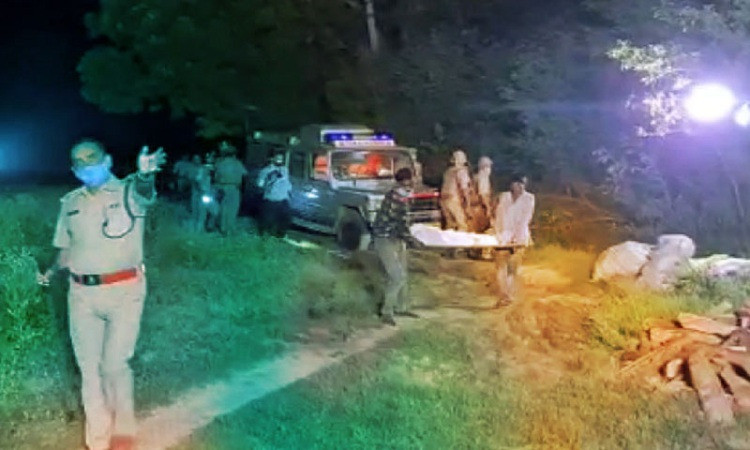
The current government, which constantly advocates Hinduism, did not think for a moment that the girl was Hindu and that her last rites should be performed according to Hindu customs.
On August 13, 2022, in a school in Rajasthan, a 9-year-old boy named Indra Kumar Meghwal was beaten so severely by a teacher for touching water kept in a pot that the boy died a few days later. The very next month, in Rajasthan, a Dalit youth named Rajendra Meghwal was killed by some miscreants simply because they did not like his moustache.
Can all these incidents be the identity of a developed India? Even today, a Dalit is exploited every ten minutes in the country. More than 57,000 cases related to Dalit crimes are registered in police stations every year. There are three times as many cases that never even reach the police station. Gen Z children may see this Act as a symbol of inequality. They will have a thousand questions in their hearts about such laws. However, to understand all this, they must understand the history of the country. They must question the backdrop of every atrocity still occurring in the country.
There are many children in the upper caste society today who live together with Dalit children, believing that there is no longer any issue between them, but their responsibility goes further. They must also raise their voices against those who are involved in such crimes.
The day the non-Dalit society begins to boycott such criminals, many problems of Hinduism will automatically be resolved. The non-Dalit society must understand that the thousands of murders occurring daily may be an administrative problem, but “any crime committed out of malice by one human being considering another as inferior is equivalent to a thousand crimes,” and as long as this continues, this Act will remain in force. Now it is up to the non-Dalit society to decide how long they want to see this Act in the country.

Dr. Sanjeev Kumar
डॉ. संजीव कुमार श्री शंकराचार्य प्रोफेशनल यूनिवर्सिटी, दुर्ग (छत्तीसगढ़)में असिस्टेंट प्रोफेसर हैं। दलित विषय पर डॉक्टरेट हैं।