
Supreme Court quashes NSA against Mulla Afroz in Sambhal violence case

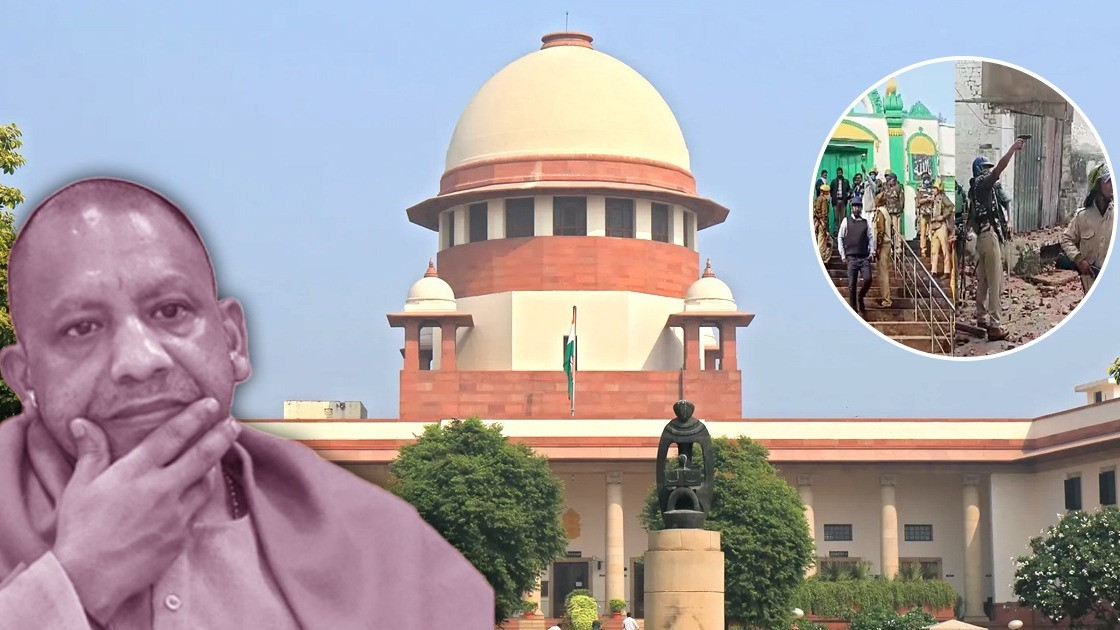
Supreme Court delivers a major blow to UP government in Sambhal case
The Supreme Court has quashed the preventive detention of Mulla Afroz, accused in the 2024 Sambhal violence, under the National Security Act (NSA), 1980. The court also annulled the Allahabad High Court's decision that had upheld the detention order.
According to a report by Live Law, a bench comprising Justices Dipankar Dutta and Shail Nagoo stated that the Uttar Pradesh government could not issue a preventive detention order based on the confession made by Afroz during police custody. The court also imposed a fine of ₹10 lakh on the Yogi Adityanath government for the illegal detention order.
While delivering the verdict, Justice Dutta paid tribute to his law clerk, who had passed away just before his 27th birthday. He dedicated the decision to him. Earlier, on September 8, while reserving the judgment, the bench had raised questions about the significance of confessions made during police custody in the context of preventive detention orders and whether they could create the necessary satisfaction for detention.
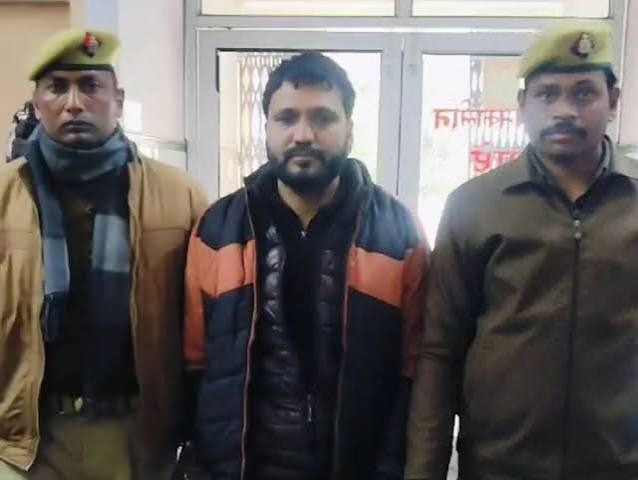
Mulla Afroz is accused in the Sambhal violence that erupted following a survey of the Shahi Jama Masjid ordered by the court. Four people died in this violence. He was arrested based on a confession made during police custody about 54 days after the incident. He later received bail from the Allahabad High Court, but on October 13, 2025, a preventive detention order under the NSA was issued against him. The High Court upheld this order, after which Afroz approached the Supreme Court.
It was argued on behalf of Afroz in the Supreme Court that the police had also fired shots during the violence, but this aspect was not investigated fairly. He sought permission to file a protest petition in this regard. It was also stated on his behalf that the confession made during police custody is not admissible evidence under the law.
Afroz's lawyer argued that merely having several criminal cases registered does not justify preventive detention. Sufficient material must be present to create a fair and considered satisfaction. He cited the judgments in Rekha vs. State of Tamil Nadu and Amina Begum vs. State of Telangana, stating that the likelihood of a person reoffending without a solid basis cannot constitute valid grounds for detention.
Meanwhile, the Uttar Pradesh government defended the order, stating that there was a possibility of Afroz inciting violence or disturbing public order. According to the government, if the available material indicates such a possibility, preventive detention may be justified. Regarding the confession, the state argued that its relevance should be considered in appropriate legal proceedings.
During the previous hearing in this case three weeks ago,
the Supreme Court raised serious questions about the Uttar Pradesh government's approach and the basis for preventive detention based on confessions made during police custody. The court asked whether a confession made in police custody could serve as a basis for a detention order. However, the decision was reserved at that time.
The Uttar Pradesh government argued that the available material indicated a possibility that Mulla Afroz could influence future violence or public order, but the Supreme Court refused to accept the confession made during police custody as a valid basis for preventive detention.
The Supreme Court clearly stated that a detention order under the NSA cannot be issued based on confessions made during police custody.
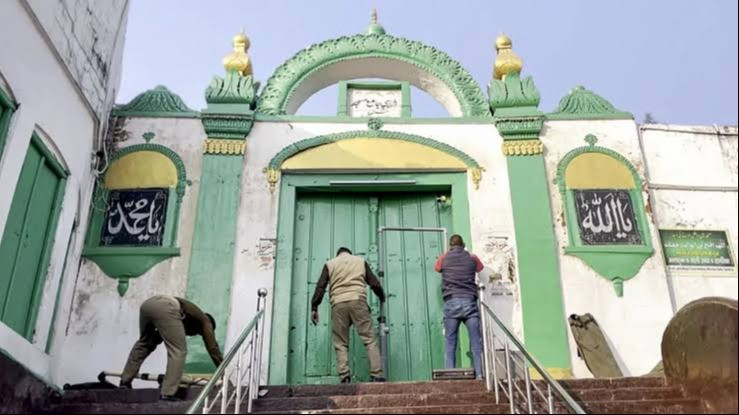
In fact, this case is related to the violence that occurred during the survey of the Shahi Jama Masjid in Sambhal, Uttar Pradesh, in November 2024. Mulla Afroz was accused of inciting a crowd and providing weapons during the violence that erupted during the survey of the Shahi Jama Masjid vs. Shriharihar Mandir. He was identified as the mastermind of this case. Action was taken against him under the National Security Act (NSA) on October 16, 2025.
According to the complainant, Yameen, a resident of Mohalla Khaggu Sarai Anjuman in the Nakhasa police station area, filed a petition in the CJM court on February 6, 2025. He alleged that his 24-year-old son Alam had left home to sell rusk (toast) on November 24 and was shot by police officers as soon as he reached the Shahi Jama Masjid area. However, the police registered a case against Alam under charges of attempted murder, rioting with deadly weapons, and causing injury to a public servant on duty.
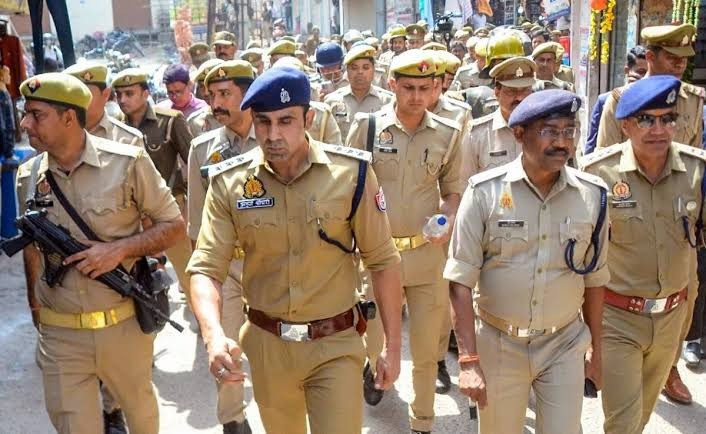
In this case, in January of this year, the Chief Judicial Magistrate (CJM) court in Sambhal ordered the registration of an FIR against then ASP Anuj Chaudhary, Inspector Anuj Tomar, and 20 unidentified police personnel.
It was alleged that during the Sambhal violence, which was related to the Jama Masjid survey, a youth was shot. However, senior police officials refused to comply with this order. The police stated they would appeal against the court's decision. Following the court's order, Sambhal SP KK Vishnoi stated that the order was illegal and therefore no FIR would be registered. He mentioned that a judicial inquiry had already been conducted in this matter, and the inquiry report deemed the police action appropriate. They would appeal the CJM court's decision in a higher court.