
Premchand's stand against communalism
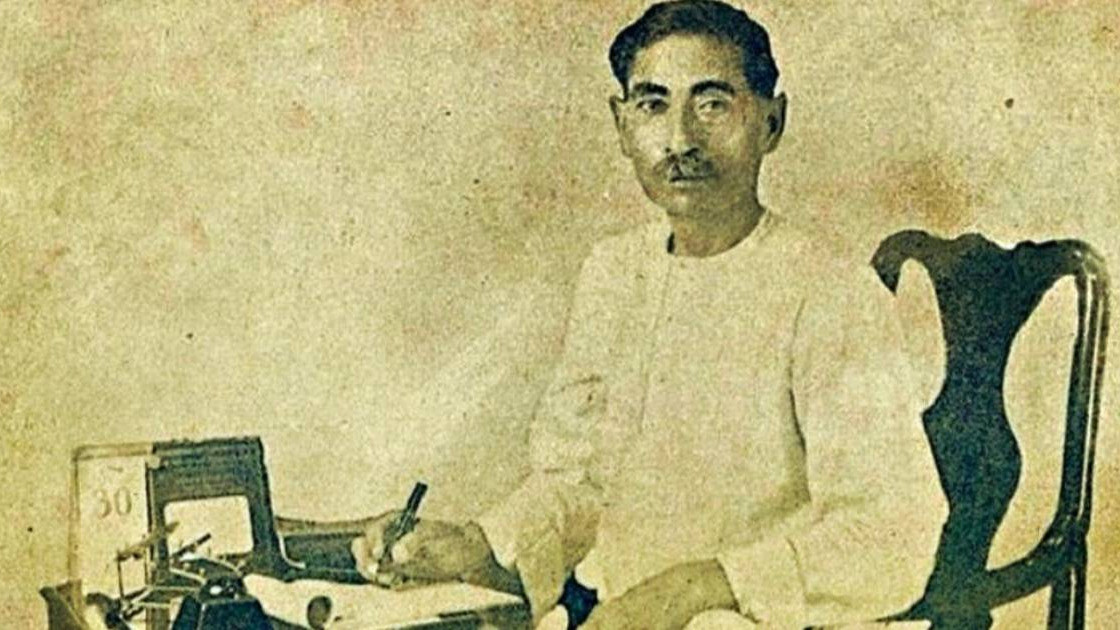
Premchand's stories convey a message of Hindu-Muslim unity.
Today marks the 146th birth anniversary of the unparalleled Hindi litterateur, the emperor of novels, Premchand. Born on 31 July 1880 in Lamhi, Varanasi, Premchand's real name was Dhanpat Rai Srivastava. Premchand's stories are as relevant today as they were in the 20th century. If you revisit his stories, you will clearly understand that Premchand had already foreseen the communal poison spreading in society today. A vigilant writer is farsighted. The truth that Premchand depicted in his stories and novels during his time is astonishingly the same truth that stands before us today. Despite all the progressiveness and scientific thinking, if we are still trapped in the same dark well, it means someone has blindfolded us.
It goes without saying that,
Reading Premchand and getting acquainted with his characters was like understanding the reality of the society we live in for a young mind. His stories changed old thinking and brought forth the bitter truth through his words. The stories of this modern and great writer of Hindi literature and the characters he created still hold a mirror to society today.
Communalism in India is at its most horrific and terrifying form. The entire society is in danger from its narrow and intolerant forces. The hateful ideology has become so aggressive and horrific that a sensitive person is gathering the strength to fight it, but the communal monster has become so powerful that the progressive and scientific thinking of society sometimes becomes disheartened. However, when we revisit Premchand's stories, we gain the courage to fight communal and fascist forces.
One of Premchand's stories is 'Basi Bhat Mein Khuda Ka Sajja.' In this story, Premchand questions the existence of God through a debate between two characters, Javed Akhtar and Maulana Nadvi.
Written in 1934, the main character of this story, Dinanath, after enduring long unemployment, finally gets a job, and his wife Gauri says, 'This is the result of God's grace and kindness.' Dinanath argues, 'This is the result of my hard work, what kindness of God? I would have known God if he had sent something from nowhere.' Then during his job, his employer, pleased with him, promotes him and asks him to manipulate the accounts to avoid sharing more profits with the partners. Dinanath's faith in God always frightened him that he would receive severe punishment for this crime.
This doubt took away all the enthusiasm, joy, and sweetness from his life. Then malaria spread, and his son got a fever. Dinanath felt that the punishment had arrived. But with the doctor's treatment, the son recovered, and shortly after, he himself fell ill. Now he felt that he would surely receive God's punishment. But Dinanath was not a liar, he was rational. Yet, the feeling of God's mercy and punishment had become ingrained in his culture. His rationalism and intellectualism kept getting hurt by this. But life was left, he survived. As soon as he regained strength, he started going to the office. One day his wife Gauri said that when he was ill, she had vowed to feed fifty Brahmins for his recovery. Dinanath said, 'Did I recover because of God's mercy?' The wife said the vow must be fulfilled.
Husband said, 'Never, I do not consider God merciful. Your God governs creation with fear of punishment. Then what is the difference between him and a human? Ruling by terror is barbarism. It is better for God not to exist than to be a terrorist God. I want to free myself from both his mercy and punishment by removing him from my heart. I do not want to take God's favor for such a terrifying life. There is no need for God's share in stale rice. If you insist on the feast, I will consume poison.'
The last sentence of the story is that the wife 'Gauri kept looking at his face with fearful eyes.' Needless to say, through this story, Premchand was conveying the message of logic and scientific consciousness, and that too a century ago.
In another story 'Julus', Premchand chooses a Muslim character named Ibrahim as the main satyagrahi organizing protests and movements in a city in Uttar Pradesh. The selection of this character says it all. Ibrahim is progressive, widely respected, and a Gandhian thinker—a completely non-violent person. In the current scenario, communalism has grown very rapidly and due to its sponsored spread, many lives have been lost. 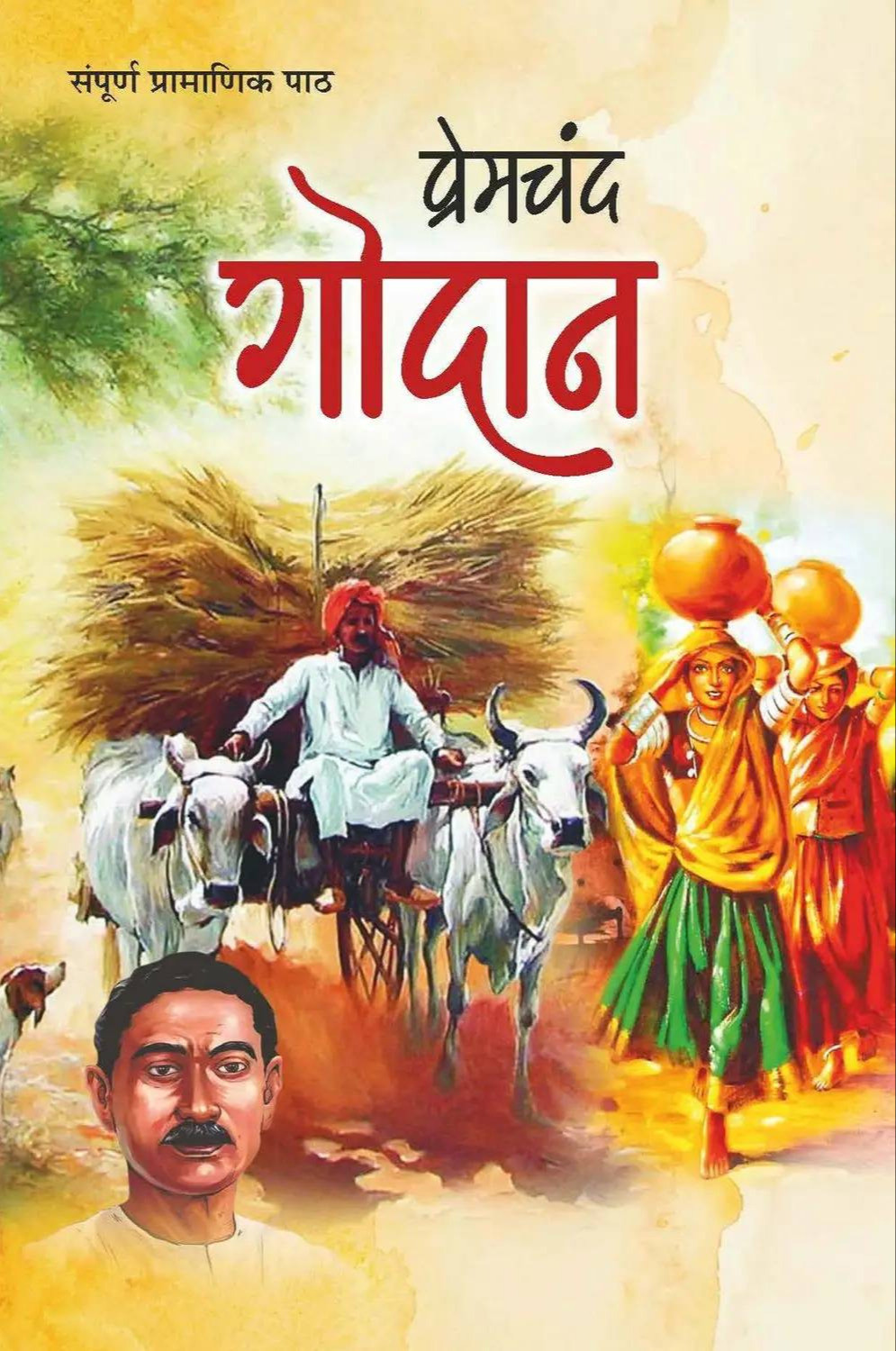
The idea and attempt to make India a majoritarian country is completely contrary to the real identity of our country, a secular nation. At such a time, Premchand's stories provide us with enough ideological strength and energy to fight.
In 'Kafan', the struggle of rural laborers is depicted. They struggle to feed their families, are drowned in debt, and often resort to suicide to escape this burden. The father-son duo in 'Kafan' has accepted their misfortune and learned to live with it. It shows how common 'death from hunger' is in society and how some people yearn for even basic amenities. The father-son duo leaves the son's pregnant wife to her fate due to financial constraints. When she dies, they borrow some money from the landlord to buy items for her funeral. Eventually, they realize it is wrong to demand a shroud for a woman who never wore good clothes in her life. So, instead of spending money on buying items for her, they thank her and have a full meal.
Premchand's last novel 'Godan' talks about the evil system of money lending in rural areas and the troubles faced by farmers at the hands of powerful people. What the people of this country need to learn from Premchand is mutual brotherhood and respect, which he mentioned in his works.
The bitter realities of life like caste and class are so deeply ingrained in people's minds and society that we are still looking for ways to eliminate them. Premchand's works bring out the pain of common people in society. Religion and caste are still the main factors determining the life of an individual and family. This is the basic measure by which one person judges another.
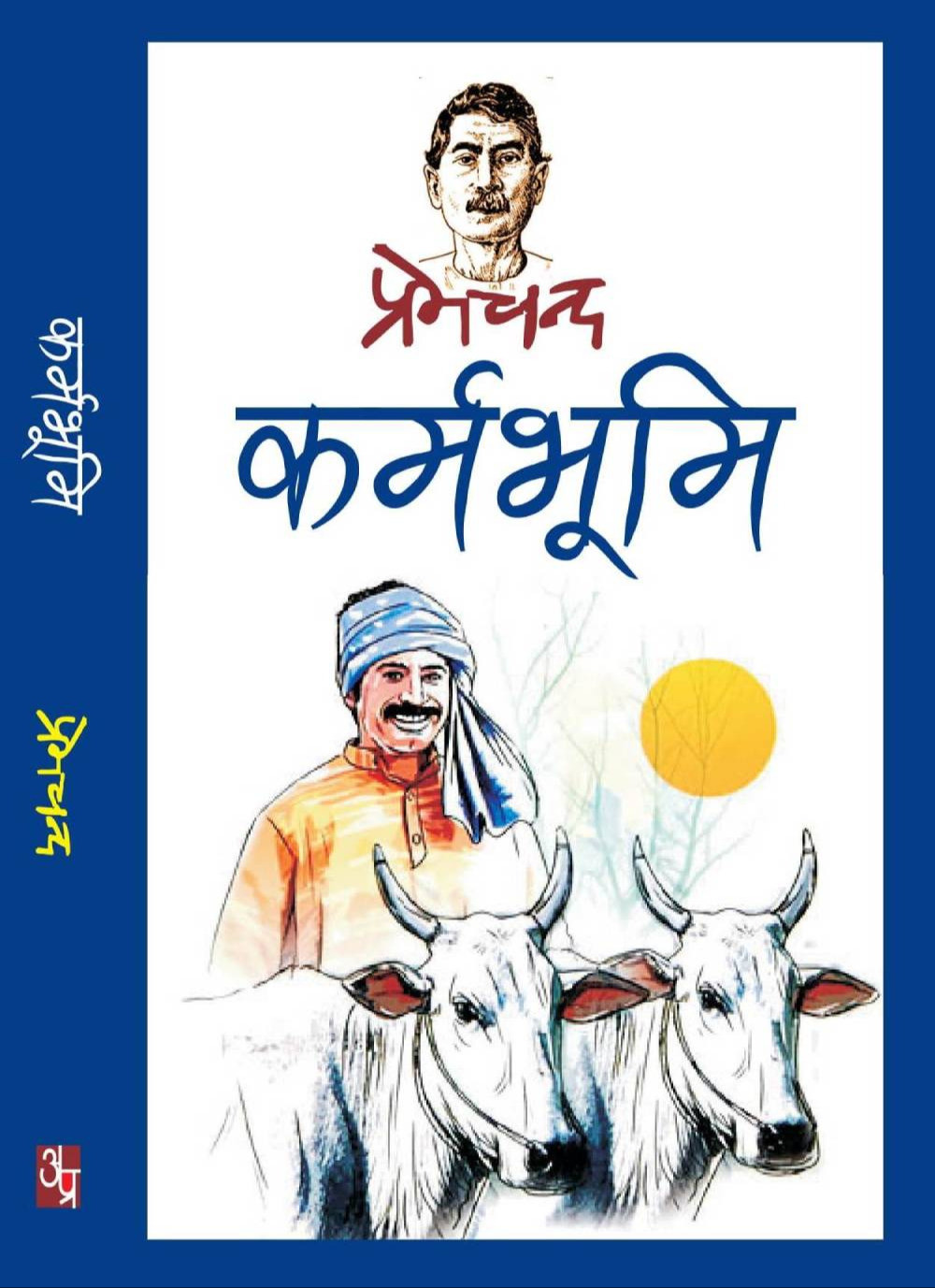
Set in the 1930s Uttar Pradesh, the novel 'Karmabhoomi' revolves around issues of class discrimination, inter-caste marriage, and the inability of untouchables to enter temples. You may recall that tension arose between two communities in Tamil Nadu when the Dalit community was prevented from entering a local temple by the 'Mutharayars'. In June 2019, in Pali, Rajasthan, upper-caste people tied up and beat a Dalit boy for attempting to enter a temple. The video of this incident went viral on social media, showing the attackers beating the boy while he pleaded with them to stop, saying he would never enter the temple again. Caste discrimination is still a reality. Most people who die while cleaning sewers in the country belong to lower castes and classes, and although much has been done on paper to end this heinous practice, the ground reality remains disappointing.
Premchand's works are still relevant today because the issues he wrote about—corruption, poverty, injustice, and social inequality—are still part of our reality. Premchand's works are not just stories and novels; they are moral questions that need answers. Are we truly progressing as a society, or are we just silent spectators of the never-ending cycle of injustice, exploitation, and communalism?
It is not without reason that the story 'Eidgah' holds a special place in people's hearts for the five-year-old Hamid. The heart-touching story, where he has lost his parents and lives in extreme poverty with his grandmother, remains a favourite among many readers even today, as it involves readers with sensitivity.
Premchand's simple writing style presented a clear picture of the conditions of those days, which are still relevant today. His works shed light on culture, relationships, economy, caste, and class differences, highlighting what truly troubles an individual. The harsh realities of life, such as caste and class, are so deeply ingrained in people's minds and common society that we are still searching for ways to eliminate them.
Through Premchand's works, the pain of common people in society is brought to the forefront. Religion and caste remain significant factors that shape the life of an individual and family even today. These are the fundamental measures by which one person evaluates another.
Satish Verma
सतीश वर्मा पेशे से पत्रकार हैं। हिंदी की मुख्यधारा की पत्रकारिता में इन्हें 20 साल से ज्यादा का अनुभव है।