Prashant Kishor's victory signals shift in Bihar politics
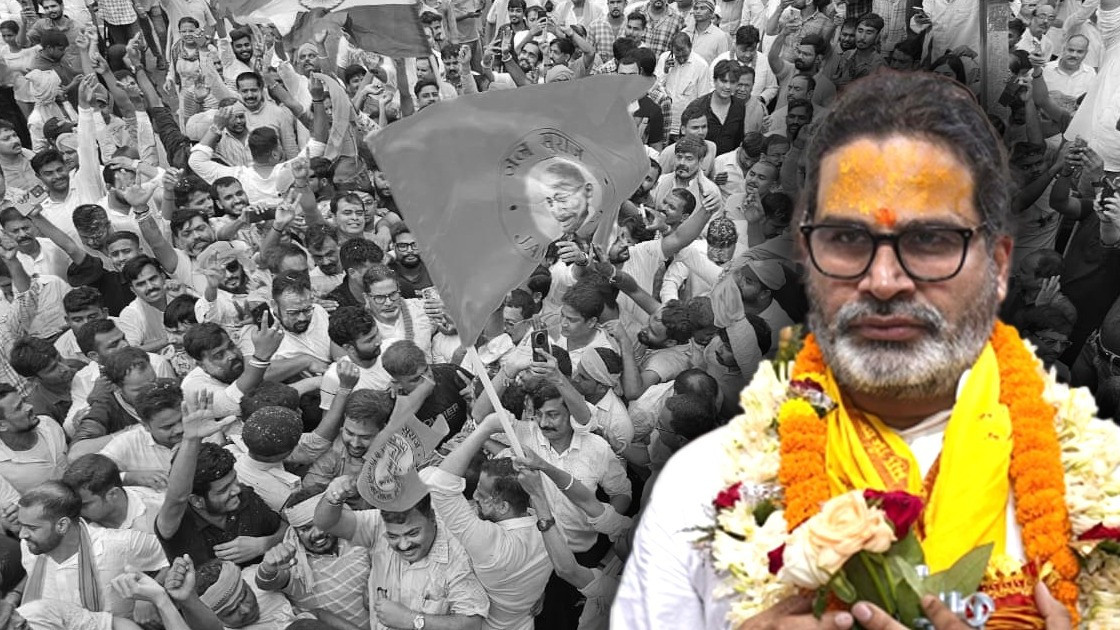
This win is not just an electoral result but also indicates changing political dynamics in Bihar.
Bihar's politics witnessed a historic day on 3rd August 2026, when the BJP's three-decade-old stronghold on the Bankipur Assembly seat in the capital Patna crumbled. Prashant Kishor, the national president of the Jan Suraj Party, defeated BJP's Neeraj Kumar by 19,324 votes, not only winning a seat but also sparking a new debate on the state's political direction. Prashant Kishor received a total of 64,151 votes, which is 49.2 percent of the total votes. Meanwhile, BJP candidate Neeraj Kumar secured 44,827 votes. This victory is not just an electoral result but also an indication of changing political equations in Bihar.
In the 2025 Bihar Assembly elections, BJP's Nitin Navin had defeated RJD's Rekha Kumari by a large margin from the Bankipur seat. However, after Nitin Navin was elected to the Rajya Sabha and made the national president of the BJP, this seat became vacant, leading to a by-election.
The Jan Suraj Party, which could not win a single seat in the 2025 Assembly elections, saw this by-election as a major opportunity to prove its political relevance. For Prashant Kishor, this election was a test to establish himself as a serious political alternative.
Bankipur has always been considered a prestigious urban seat for the BJP. Since 1995, this seat had consistently been with the BJP. Thus, this defeat is not just an electoral setback for the party but also a question of prestige. The BJP put in all its efforts to retain this seat. Initially, the party fielded Abhishek Kumar Sinha alias "Bunty" as the candidate, but he withdrew his nomination at the last moment due to family reasons. Subsequently, Neeraj Kumar was fielded. There was no laxity in the election campaign from the BJP's side. Senior leaders like national president Nitin Navin, Chief Minister Samrat Chaudhary, state president Sanjay Sarawgi, along with popular faces like Bhojpuri singer-actor Pawan Singh and folk singer Maithili Thakur, were involved in the campaign. Despite this, the party could not save its supposedly safe seat. This naturally raises the question of whether the BJP made a strategic error by considering this seat too secure.
Questions were also raised about the BJP's candidate selection. Critics say the party could not field a face that could stand as a strong and credible alternative to Prashant Kishor. Additionally, some statements by party leaders during the election were targeted by the opposition. Statements like "BJP can give a ticket to a dog or a cat, and they will win" created the perception that the party considered this seat its fiefdom. The impact of such statements on voters' minds cannot be ignored.
Prashant Kishor kept the election entirely focused on issues. His campaign consistently centered around questions like education, employment, floods, migration, and Bihar's development. This is why many see his victory not just as a win for a candidate but as an endorsement of issue-based politics. In recent times, Patna has also been a center for youth movements, especially regarding the NEET paper leak and the alleged harsh attitude of the police-administration. It is also possible that a significant portion of young voters distanced themselves from traditional parties. In this election, the RJD slipped to third place, which is certainly a matter of concern for them.
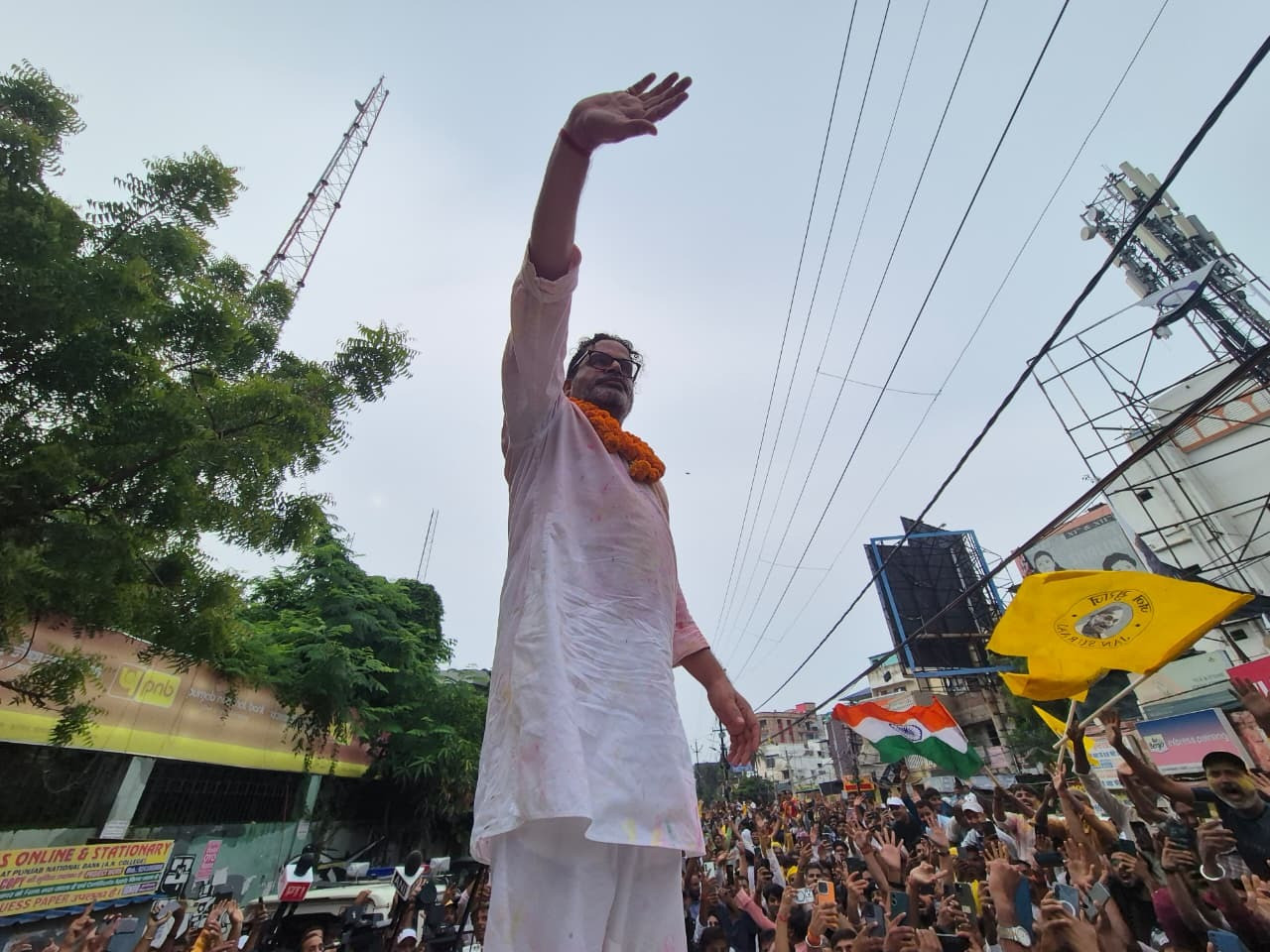
However, this does not imply that the RJD's political existence in Bihar has ended. Although there has been a breach in RJD's traditional vote bank, no final conclusion about a party's future can be drawn based on a single by-election. Bankipur has been a seat that remained with the BJP even when the RJD was at its peak.
After this victory, another debate has intensified. Leader of Opposition in the Lok Sabha Rahul Gandhi and Tejashwi Yadav in Bihar have been consistently raising issues like the voter list, alleged vote theft, and the impartiality of the Election Commission. In such a scenario, the BJP and the ruling party might argue that if the election process were entirely biased, how could opposition parties win? But this does not end the question that the impartiality of the electoral process should be evaluated not just by the results of a few seats but by the entire electoral framework and available evidence.
The Bankipur by-election does not claim that Bihar's politics has completely changed. Drawing such large conclusions based on a by-election would be premature. However, it is certain that this election has challenged many established political notions. The BJP's defeat on a seat considered safe for three decades, Jan Suraj's first major electoral success, RJD slipping to third place, and the focus on issues like education, employment, floods, and migration,
all these signals indicate that Bihar's politics is on the threshold of a new era. Whether this change will prove permanent or not will be answered by the upcoming elections. But Bankipur has certainly sent the message that no stronghold can be considered invincible anymore.