
Indira Jaising calls sexual harassment in judiciary a 'dirty secret'

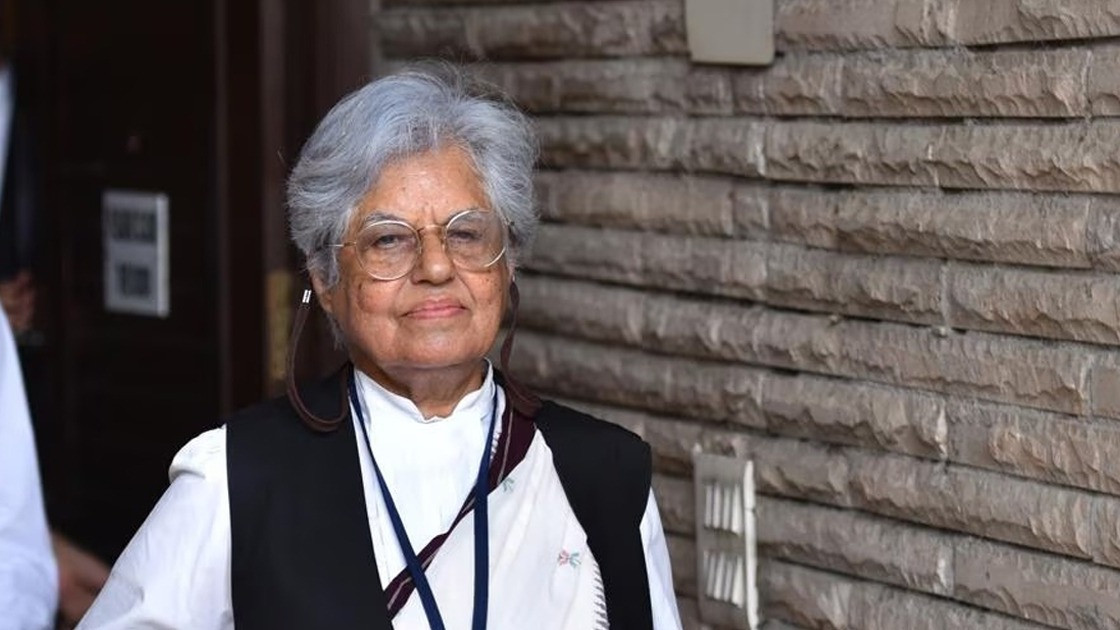
Jaising has been raising this issue for the past two decades.
Sexual harassment in the Indian judiciary is not a rumor that is whispered only in the corridors. It is a pattern recorded in investigation reports that never see the light of day, impeachment motions that die midway, transfers that appear punitive, and resignations later deemed involuntary by the courts. The very institution that created the Vishaka guidelines and teaches other employers to comply with the POSH Act repeatedly chooses secrecy and delay over transparency when it comes to being the judge of the accused.

According to a report by Live Law, at the 29th D.S. Borkar Memorial Lecture, senior advocate Indira Jaising stated that,
she has received complaints from several women judges who approached her regarding sexual harassment by male judges. She referred to it as “the dirty secret of the Indian judiciary,” stating, “No one wants to talk about it.”
Jaising also mentioned a tradition described by a female district judge.
According to her,
when a High Court judge retires, female district judges are asked to line up, wear sarees of the same color, and shower flowers on the male judges entering the dining hall. Jaising reported that the same female judge was asked by a male judge to attend his 25th wedding anniversary and dance to an “item number.” She refused, and later lost her job.
Jaising expressed hope that such shameful practices would end by 2047.
She made this statement after a lecture by senior advocate Dr. S. Murli Dhar, who had previously addressed several issues related to the judiciary, including delays in judicial matters and student protests. He also criticized the hierarchy and feudal tendencies present in the judiciary. Murli Dhar stated that incidents of female judges facing sexual comments and harassment from senior male colleagues are on the rise.
It is noteworthy that a high-profile case of sexual harassment in the judiciary emerged in 2019,
when a former female employee of the Supreme Court accused then Chief Justice Ranjan Gogoi of sexual harassment. The complainant submitted her complaint to the 22 judges of the Supreme Court via an affidavit on April 19, 2019. An in-house committee of the Supreme Court, which included then-judges S.A. Bobde, Justice Indira Banerjee, and Justice Indu Malhotra, investigated the allegations and found “no substance” in them. However, the committee's report was not made public. The complainant had objected to the investigation process and the committee's impartiality, withdrawing from the proceedings.
A law intern accused retired Supreme Court judge and then-chairman of the West Bengal Human Rights Commission A.K. Ganguly of incidents that occurred in a hotel room in Delhi in December 2012. The Supreme Court committee found that he had subjected the woman to “unwanted sexual behavior.”
Jaising made the intern's affidavit public and questioned whether judges would accept such behavior towards their own daughters. Following political and public pressure, Ganguly resigned from the Human Rights Commission in January 2014. He was not convicted in any criminal case. The intern's decision not to pursue the matter with the police became another convenient way to close the case.
It is important to note that Jaising has been raising these issues for the past two decades. From the 2003 petition to the intern's affidavit in the Ganguly case, the long legal battle of a female judge in Madhya Pradesh, her open letters regarding discriminatory language towards women in courts, and statements made in September 2026, the facts were not hidden. They were entangled in processes, sealed, and then declared closed. The institution that cannot look its female judges and staff in the eye without wielding the shield of secrecy and hierarchy has already answered the question it still claims remains unresolved.