
Election Commission to update voter lists in 17 states

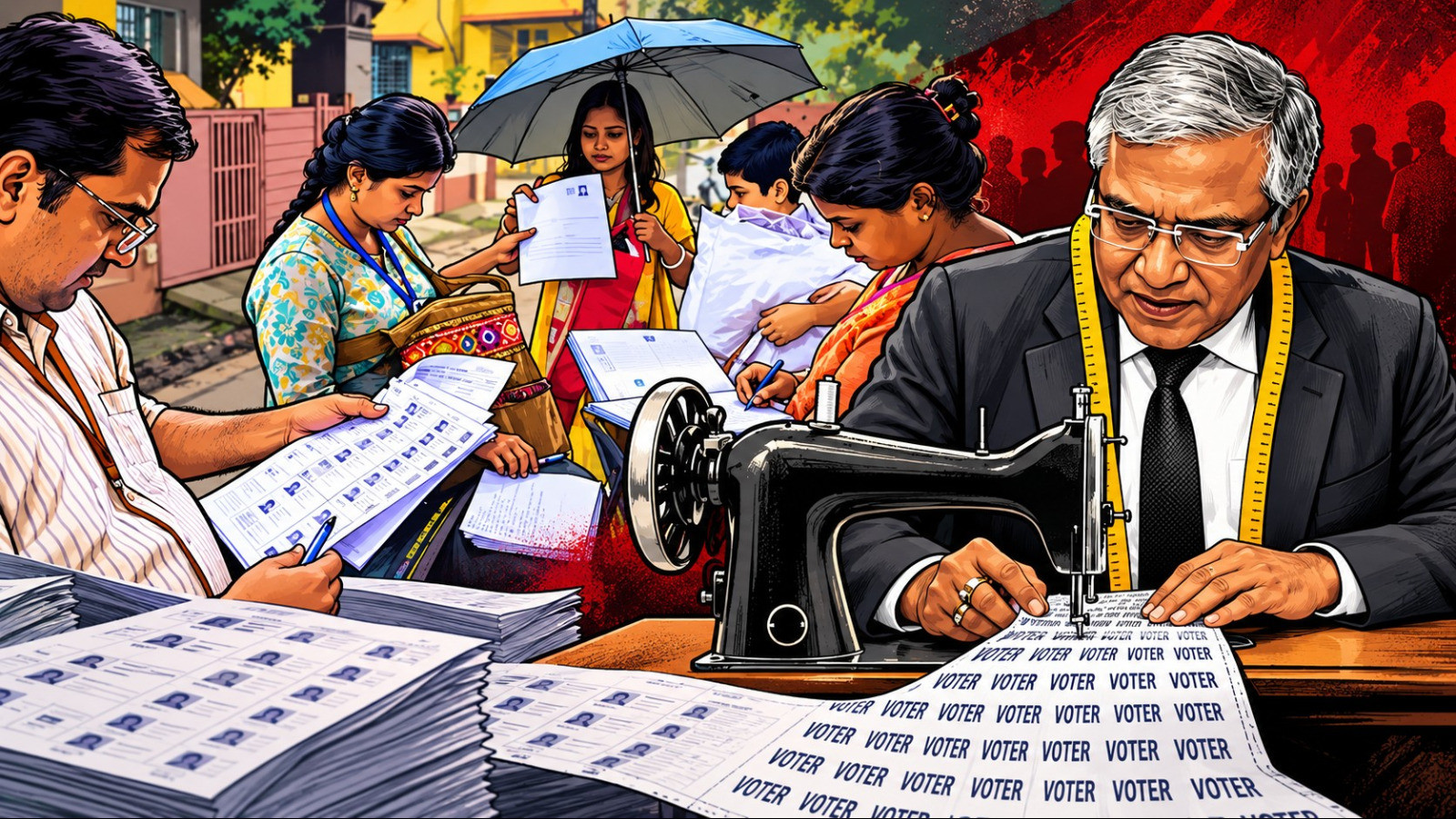
AI Image
The Election Commission has introduced another hassle for voters.
The widespread protests across the country regarding the SIR have not yet subsided, and the political controversy remains at its peak. Now, the Election Commission has brought another new issue to trouble voters. The Election Commission of India ordered on Thursday the updating of the voter list in 17 states and union territories. This process is called Special Summary Revision (SSR). Under this, new names will be added to the voter list and errors will be corrected. Those whose names are not in the list will be able to apply to have their names added.

However, in the states where the SIR process is ongoing or has recently been completed, the dates for the SSR will be announced later.
The Commission has set January 1, 2027, as the eligibility date for becoming a voter. This means that those who become eligible by this date will be able to apply to have their names registered in the voter list. According to the Commission, the final voter list will be published on January 4, 2027, after this process. The voter list was last revised in January 2025.
According to the Election Commission's order, the voter list will be updated in Andaman and Nicobar Islands, Assam, Bihar, Chhattisgarh, Goa, Gujarat, Kerala, Lakshadweep, Madhya Pradesh, Manipur, Puducherry, Punjab, Rajasthan, Tamil Nadu, Uttar Pradesh, Uttarakhand, and West Bengal.
The Commission had also directed officials on September 29 to run a special campaign to add the names of those who have been left out of the voter list, including youth and first-time eligible voters.
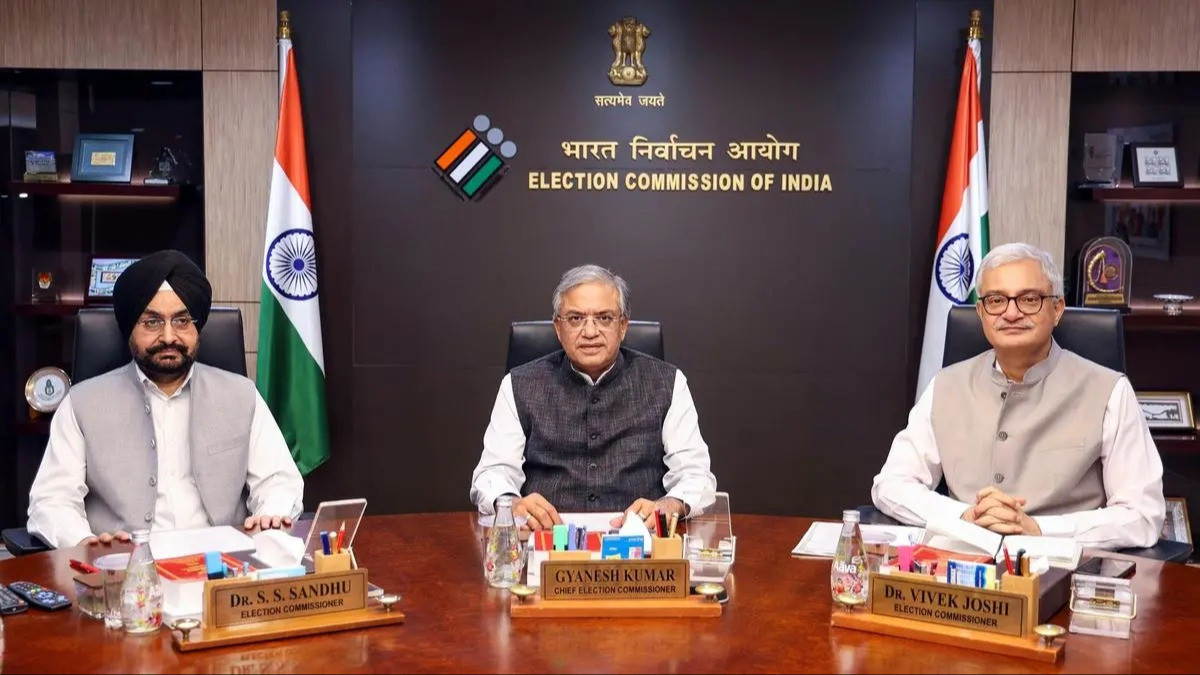
The Commission has set dates for changes to the voter list. Accordingly, necessary changes in polling station arrangements will be made by November 2. After this, the draft voter list will be released on November 12. Once the draft list is released, people will be able to see their names and other information in it. If someone's name is not in the list or there are any errors in their name, address, or other information, they can apply for corrections.
The dates for filing claims and objections will be from November 12 to December 11. Officials will have to investigate these applications and resolve them by December 28. The final voter list will then be published on January 4, 2027.
The Commission has also stated that,
those who will not be eligible by January 1, 2027, but will meet the eligibility criteria later, can also apply in advance. Applications will be accepted based on eligibility dates of April 1, July 1, and October 1, 2027.
This process of updating the voter list is different from the Special Intensive Revision (SIR). In SIR, a comprehensive examination of the voter list is conducted, and a new list is prepared. In contrast, the Special Summary Revision (SSR) involves making necessary changes to the existing voter list.
The states and union territories where the voter list will be updated again include Andhra Pradesh, Arunachal Pradesh, Chandigarh, Dadra and Nagar Haveli, Daman and Diu, Haryana, Jharkhand, Karnataka, Maharashtra, Meghalaya, Mizoram, Nagaland, Delhi, Odisha, Sikkim, Tripura, and Telangana.
SIR has not yet started in Himachal Pradesh, Jammu and Kashmir, and Ladakh. The Commission has stated that the schedule will be determined considering the weather conditions in these areas.
The Election Commission has directed officials to ensure adequate staff and resources are available for updating the voter list. During this time, the posts of district election officers and officials related to voter registration should not remain vacant. The Commission has also set some limits on submitting Form-7 for removing names from the voter list. This aims to prevent any individual from submitting applications to remove a large number of names.
If applications to remove names exceed 2 percent of the total voters at any polling station, the concerned officer must personally investigate each case. Similarly, if an individual files objections for the removal of names in more than five cases, those cases will also be investigated separately.
The Commission has also issued directives regarding polling station arrangements. No polling station shall have more than 1,200 voters without the Commission's permission. Voters should not have to travel more than two kilometers to reach the polling station. They should not face any natural obstacles that would hinder their access to the polling station. Polling stations are to be established on the ground floor of buildings to facilitate access. Additionally, families residing in the same house or flat should not be divided into different polling stations or segments.
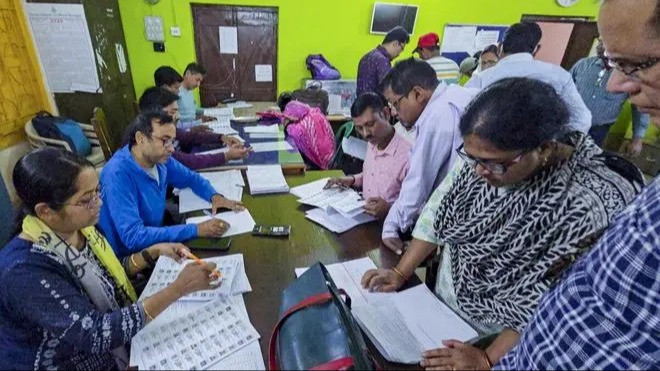
Voters' addresses will also be recorded in a uniform manner. Where house numbers are not available, alternative numbers used will be clearly marked.
The Commission has also directed officials to review the data from the previous voter list. This will include the number of voters compared to the total population, the ratio of female to male voters, and the number of youth aged 18 to 19. Where deficiencies are found, steps will be taken to address them. The entire process aims to keep the voter list accurate and updated, ensuring that no eligible citizen is deprived of the right to vote.