
Gen Z challenges Modi's social media dominance
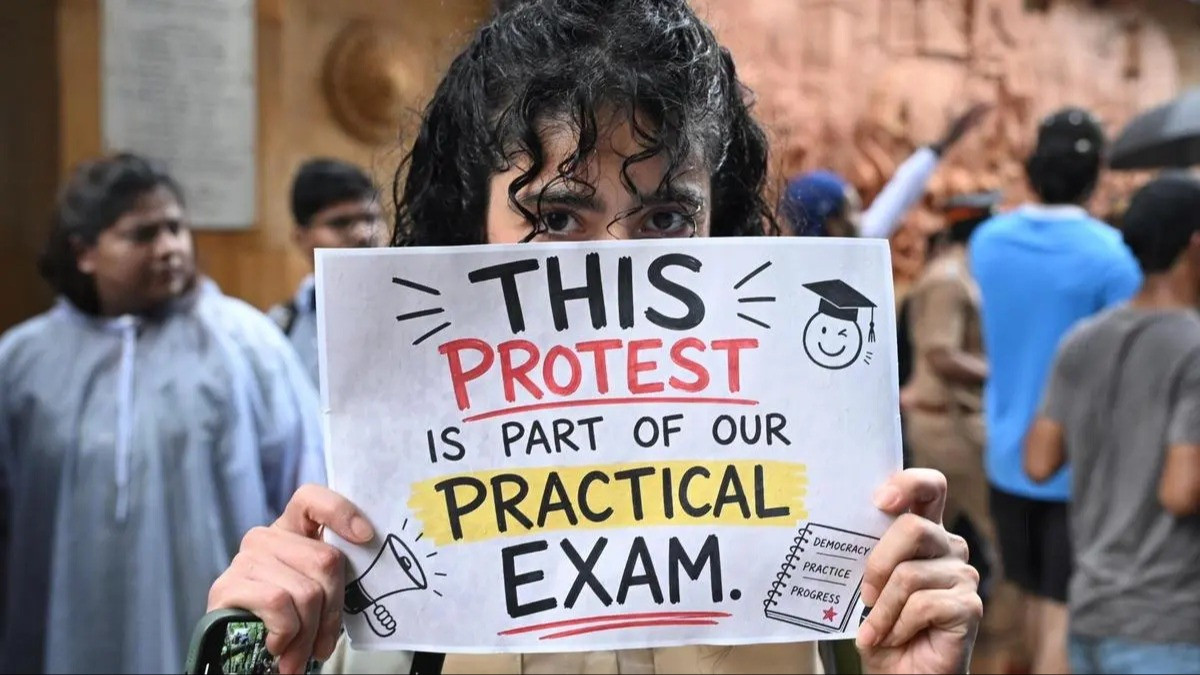
Gen Z is turning the tables on Modi's long-standing social media influence.
For the past 12 years, Modi and his party have dominated social media. Now, the country's Gen Z and youth are using the same platforms against them. Twelve years ago, Modi came to power and initiated several new measures to use social media platforms to reach the common people. Today, Gen Z is overturning the dominance of his Hindu-majoritarian party and Modi on social media platforms, using the same tools that the Bharatiya Janata Party has long relied on.
It is not by chance that Prime Minister Modi is asking his cabinet ministers to make reels on Instagram and connect with Gen Z and the youth. Modi has sensed the threat that the country's future is against him, with a lot of anger and resentment in the minds of Gen Z towards him. If they do not communicate with them now or calm their anger, it will explode like a time bomb. This is why, in the last 48 hours, PM Modi appeared twice on Instagram, made live videos to communicate with Gen Z, and ultimately, bowing to Gen Z and the protesting students, took the resignation of Union Education Minister Dharmendra Pradhan. This is a victory for democracy. It is a victory for Gen Z's stubbornness, and whether you accept it or not, it is a victory for Gen Z's new language and vocabulary.
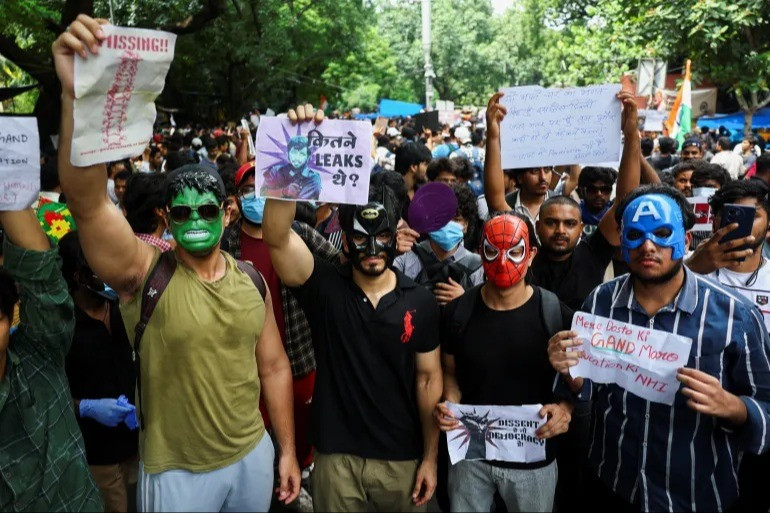
This new language of Gen Z is not newly crafted. Earlier, it was confined to mobile devices, captured in their WhatsApp and Instagram messages, but after the police crackdown on July 20, this new and dark-humored language became public at Jantar Mantar and gradually went viral across the country.
On July 20, Avanshika, who participated in the Parliament march, says
She passed through the rapidly moving crowd, with a cloud of tear gas right above her head. Her eyes were burning so much that she could barely see anything, yet she recorded the chaos on her phone. "I saw policemen brutally beating unarmed girls and children protesting peacefully." She has been part of the student protests that brought the nation's capital to a standstill, demanding the resignation of the Education Minister. Upon returning home, 18-year-old Avanshika compiled a rough cut of the chaos video and captioned it on Instagram, "Today we rang the Parliament bell and ran away."
The march to Parliament on July 20 against the exam paper leak brought the nation's capital to a standstill. Thousands of protesters occupied the main roads leading to the corridors of power. In police action working directly under the instructions of Prime Minister Narendra Modi's government, more than 100 students were injured. But since then, social media platforms have been filled with continuous videos of police excesses. Shaky smartphone footage, videos quickly edited to hip-hop tunes, and a flood of memes and expletives.
Avanshika said,
"After years of treating dissent as a crime, now opposing Modi on the internet is considered 'cool'." She then started chanting slogans - "Uncle Modi, go back, go back."
After the protests on July 20 against the government's handling of the paper leak issue, the police denied all allegations by the protesters and media reports of excessive force during the action. But by then, social media was filled with evidence recorded by the protesting students.
For some time now, Gen Z and the 'Cockroach Janata Party' (CJP) protesters have been flooding memes directly from protest sites. Many of these are inside jokes that only Gen Z can fully understand, and for older people, their translations are in a language filled with a lot of slang. Some of these are dark-humored, some just irreverent and rude, and all are uploaded within minutes of being shot. And this confuses the authorities who use old methods to stop protests. Lathi-charging children. Shutting down the internet. Blocking roads. Arresting protesters and leaders. This method has worked for decades. The only problem? No one told these Gen Z protesters that they should be afraid. But they don't know that Gen Z is not afraid.
Thousands of students have taken to the streets in various cities across the country, and it feels like an online party has come into the real world. There are memes. Reels made with oddly perfect soundtracks.
The reel from Patna is amazing. A protesting student asks the police - is there no arrangement for tear gas... another student says there is a water cannon. It's hot, let's take a bath, it'll be fun. And then all the protesting students start dancing while bathing in the spray of the water cannon.
Many of us have witnessed the Nirbhaya, Section 377 movement, JNU protests, Shaheen Bagh sit-in, farmers' protests. They were true and serious protests based on deep anger and fear. Today's protest is no less true and serious, but it comes with almost enthusiastic joy and boldness. Children caught in the lathi-charge understand that running is futile, so they stand and sing the national anthem until the police have to stand in 'attention' posture. They open the doors of police vans to free their friends. They crawl out of the windows of the vans taking them away. They calmly stop the van until the police have to release the detainees. They ask the police to use the water cannon because "it's too hot".
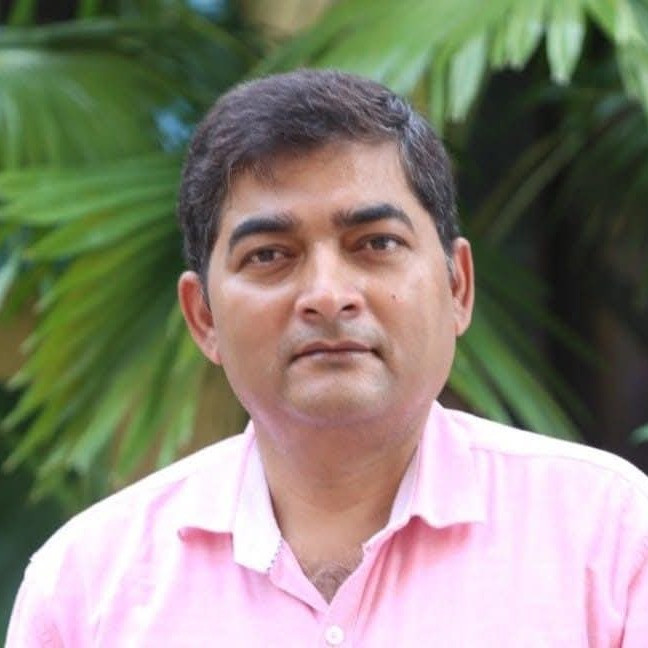
Satish Verma
सतीश वर्मा पेशे से पत्रकार हैं। हिंदी की मुख्यधारा की पत्रकारिता में इन्हें 20 साल से ज्यादा का अनुभव है।