
Bhagwat's claims on RSS questioned
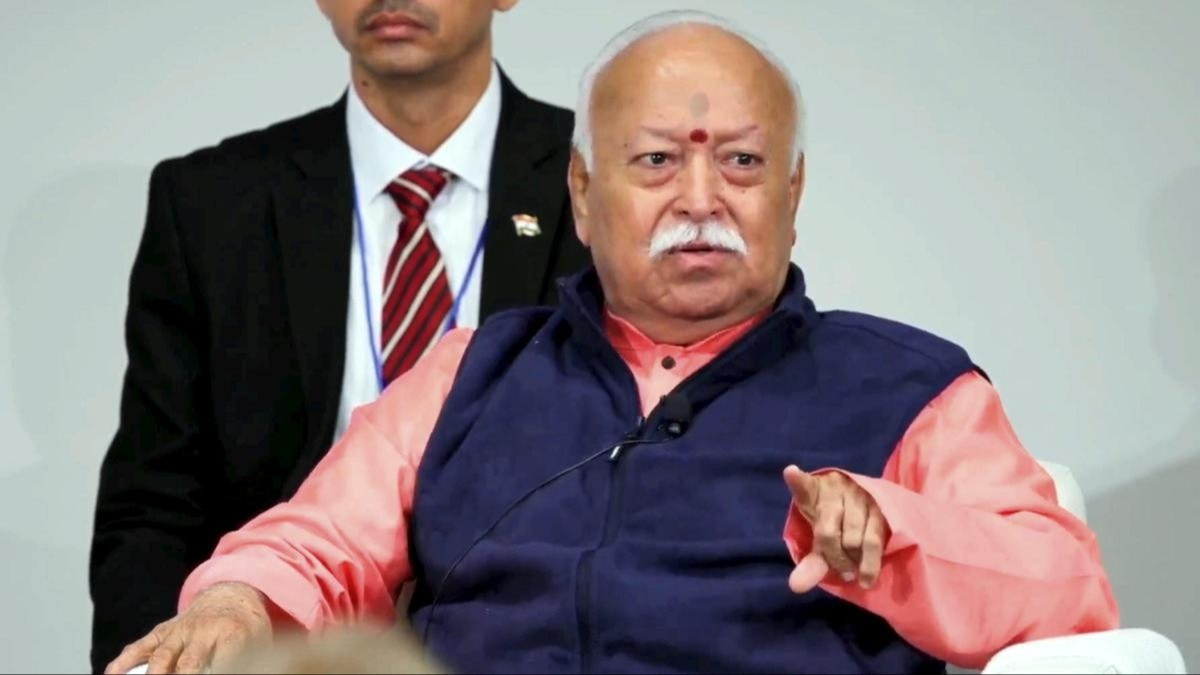
Critics argue that the RSS often does not act on its statements.
RSS Chief Mohan Bhagwat recently made some very insightful remarks at a council in New York, USA. He stated, “A Hindu who believes that Muslims should be driven out of India cannot remain a Hindu.” Mohan Bhagwat made various such statements in the context of maintaining communal harmony.
However, the RSS is like an elephant's teeth, different for show and different for eating. This was firmly ingrained in Jawaharlal Nehru's mind. Nehru believed that,
RSS never does what it says and never says what it does. There is always a significant difference between the words and actions of the Sangh.
In this context, some instances from Nehru are significant:
(1) On 27th September 1948, a letter from the Prime Minister's Office was sent to the second RSS Chief Madhav Sadashiv Golwalkar, informing him that Nehru did not believe that RSS was not a harmful organization. This was during the time when the Sangh was banned following Mahatma Gandhi's assassination, and Golwalkar was making every effort to have the ban lifted. The letter stated,
The perspective of RSS and its activities is certainly communal. What the leaders of RSS often say is different from what is done; there is a significant gap between actual behavior and the teachings given.
(2) Nehru reiterated this point a second time. On 27th October 1948, Nehru wrote a letter to Sardar Patel, mentioning Mahatma Gandhi and what Gandhi had said about the Sangh. Nehru's observations about the nature and ideology of RSS were not new to Sardar Patel.
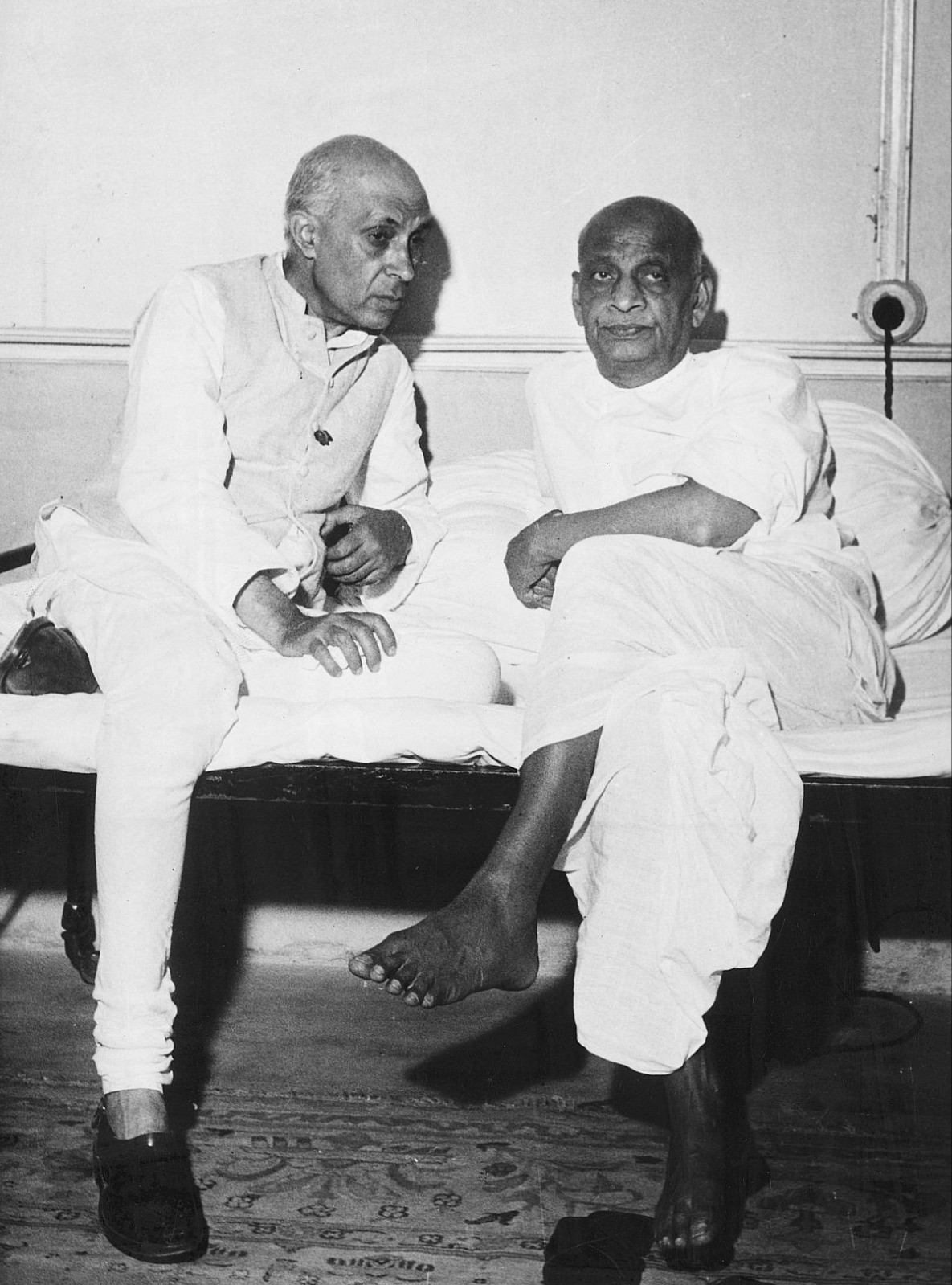
However, in that letter, Nehru also told Sardar,
Mahatma Gandhi had expressed his strong opinion against Golwalkar and said that it is not possible to trust his words.” This clearly meant that Sardar Patel should not trust what Golwalkar said in his efforts to lift the ban on the Sangh.
(3) In November 1948, Jawaharlal Nehru was abroad. After returning, on 8th November, RSS Chief Golwalkar wrote a letter to Nehru requesting a meeting. Nehru replied on 10th November, refusing to meet him. In this letter, Nehru wrote,
“The declared goals of RSS have little to do with the actual matters and activities carried out by those associated with RSS in various forms and ways. These real goals seem to be completely against the decisions of India's Parliament and the provisions of the proposed Constitution of India. According to the information we have received, the activities of the Sangh are of an anti-national and often destructive and violent nature. Therefore, you will agree that mere words will not achieve any purpose.” This meant that although Golwalkar spoke well, the behavior of the Sangh was completely contrary.
(4) Sardar Patel was the Home Minister in Nehru's cabinet. He was the one who imposed the ban on the Sangh. Later, he was making efforts to lift this ban. It can also be said that he was eager for it. Nehru later agreed that such bans are not appropriate in a democracy. However, he remained apprehensive about RSS. On 3rd February 1949, he wrote a letter to the Chief Ministers of the provinces, stating,
“It should be remembered that RSS is an organization that always says one thing and does another.”
Considering all these words of Nehru, if we compare the behavior of the Sangh, the government of Narendra Modi, who was an RSS pracharak, and the BJP state governments with Mohan Bhagwat's recent statement, it can be easily inferred that Nehru was right.
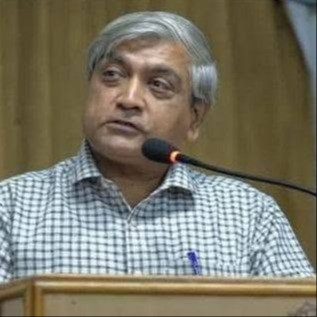
Pro. Hemantkumar Shah
प्रो शाह जाने-माने अर्थशास्त्री हैं और गुजरात में लंबे समय तक अध्यापन के बाद लेखन और सामाजिक कार्यों में सक्रिय हैं।