
Urban life caught between credit card bills and EMIs
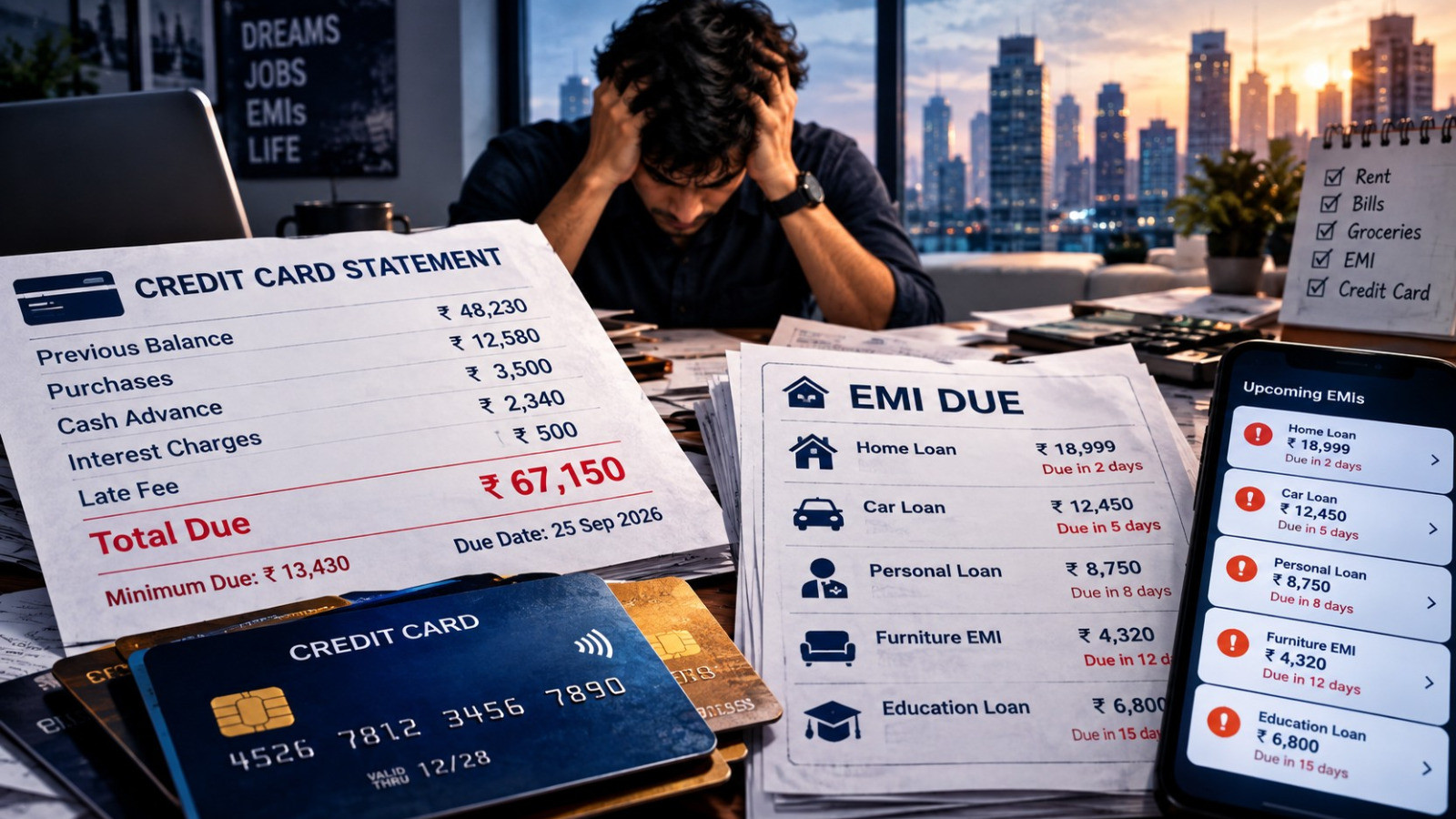
One loan isn't even fully paid off before the mind starts planning for another.
The debate over the advantages and disadvantages of metropolitan life lived on EMI perhaps has no end. The reason is clear. Now, not just the metros, but small towns and cities have also become part of that market where life runs on more desire than need. Everyone wants everything quickly, just like what is shown in advertisements, and the faces appearing in those advertisements have themselves become brands.
In today's world, broadly two types of life models are visible.
One model is like Shah Rukh Khan's. Buy a big house, get a big car, think big, achieve big. The message is that if your life does not appear bigger than your current status, you are not thinking big enough. Relaxation can wait; first, run. Earn money. Achieve success. Buy everything that shines on the screens.
The second model connects to the thinking of artists like Irrfan Khan, where the meaning of life is not just to increase the list of achievements. Do what you love. Do work that engages you. Earn just enough to live life peacefully. Don’t burn your today in the anxiety of climbing to the next rung all the time. Don’t become a machine.
The first model is more glamorous, hence sells more. The second model is more humane, hence seems more difficult. The biggest trick of consumerism is that it has almost erased the line between need and desire. Now, a home is not just a place to live; it is a status symbol. A car is not just a means of transport; it is an identity. A phone is not just a tool for conversation; it is a social status. Chairs, tables, TVs, refrigerators, ACs, RO—everything has been transformed into an essential need of life by the market.
And if the pocket doesn’t allow, no problem.
There’s EMI, right!
No lump sum money? Take it now. Pay in small installments. Hand over today’s happiness to future earnings. The problem starts here. EMI has certainly brought expensive items within the reach of the common man, but it has also created a dangerous habit of spending future income today.
Before one loan is fully paid off, the mind starts planning for another. The expensive phone that was a dream a year ago now seems outdated. A new model has hit the market. The advertisement says, replace the old one. The bank says, take it in easy installments. The e-commerce company says, buy now, pay later. And inside, there’s a constant nagging voice, take it… take it… the Diwali offer is also coming!
The question here is not just about the consumer's weakness. The entire economic system is designed to continuously amplify our desires. The market doesn’t just sell goods; it also tells us what we should feel is lacking.
What was sufficient for us yesterday now starts to feel useless today.
We have a phone, but we want a new phone. We have a house, but we want a bigger house. We have a car, but we want an SUV. The TV is working, but we want a smart TV. We have clothes, but we want new brands.
It seems like choice is personal. But the question is, how much of our preference is truly our own?
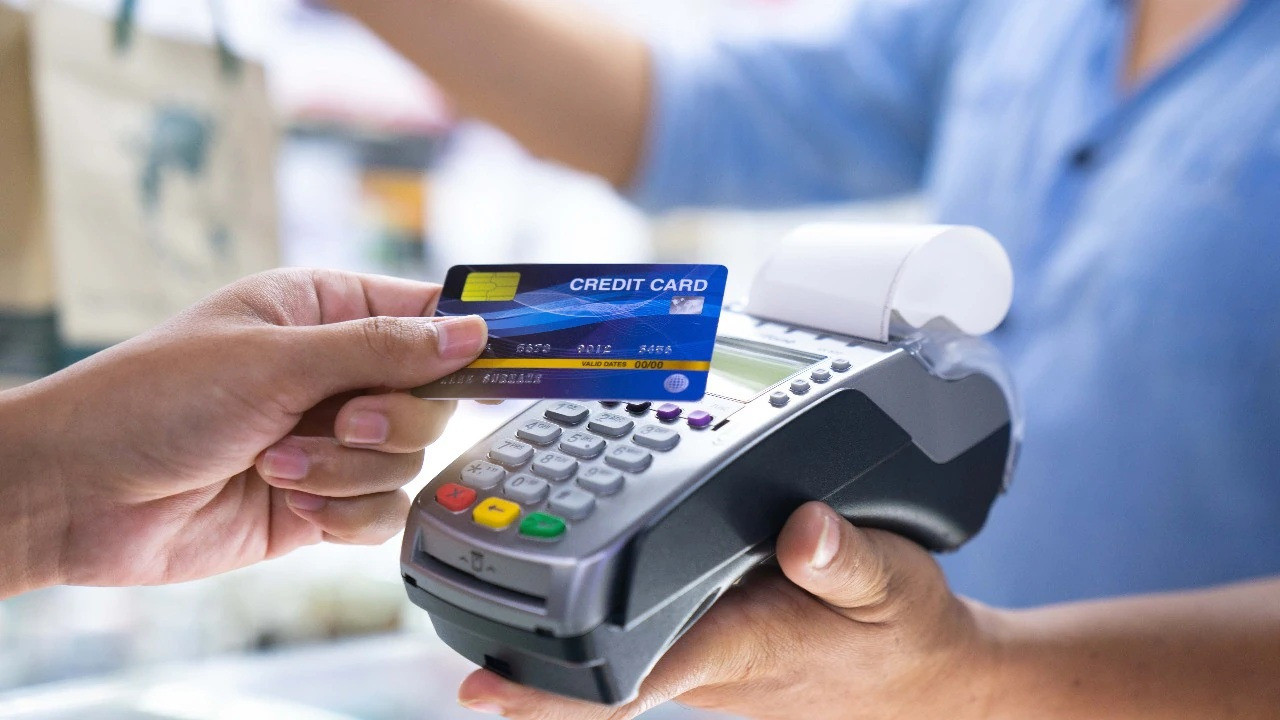
The market first creates options, then gives us the freedom to choose among them. We make our choices and then complain that no one forced us. In reality, compulsion often goes unnoticed. It gradually settles within us in the form of advertisements, social comparisons, the neighbor's new car, a relative's new phone, and the glitz of social media.
Credit cards have made this game even easier. If paying one card's bill is difficult, there’s another card. If the second's payment is stuck, there’s a third. Sometimes, four or five cards roam in the pocket like playing cards. Each card says, spend now, think later. But ‘later’ does eventually come.
The credit card bill arrives. The EMI comes. Rent is due. Children’s fees come. The electricity bill arrives. And then the salary comes, and a large part of it is already booked. The most amusing, and perhaps the most tragic, situation occurs when the dates turn against the person.
The e-commerce company says, buy today, pay on the fifth of the month.
You think, great!
Then you remember that the salary comes on the sixth.
Now there’s only a one-day gap between the fifth and sixth. But to bridge that one day, perhaps another credit card is needed. This is where convenience gradually becomes a trap.
This does not mean that EMI or credit is entirely bad. Loans can be a useful financial tool for buying a home, education, business, or other major needs that cannot be fulfilled in a lump sum. The problem arises when loans become a means to maintain a lifestyle rather than fulfilling needs. When we increase our expenses before increasing our income, the gap is filled by debt.
And the biggest illusion of debt is that it makes us feel rich today and makes our income poor tomorrow.
The real question is not whether one should buy things on EMI or not. The real question is whether we have written off such a large part of our life for the coming months and years that what do we have left today?
On one side is the life filled with the anxiety of achieving something big every year. On the other side is the life where one asks—how much do I really need? Perhaps the biggest debate of modern life should be this. Because success does not just mean what you have. Another measure of success is how much of your own time, how much peace, and how much freedom you have left.
The market will constantly explain to you that something is lacking in your life. A wise person might stop right there and ask-
Is the deficiency really in my life, or in the market's sales?

Iqbal Ahmad
इक़बाल अहमद पेशे से फ्रीलांस लेखक हैं और यू ट्यूब पर पाँच साल से सक्रिय पत्रकारिता कर रहे हैं। द क्रेडिबल हिस्ट्री पर इनका साप्ताहिक शो ‘द मुस्लिम एंगल’ दर्शकों में लोकप्रिय है।