
Syeda Muhammadi Begum: India's first Muslim woman editor

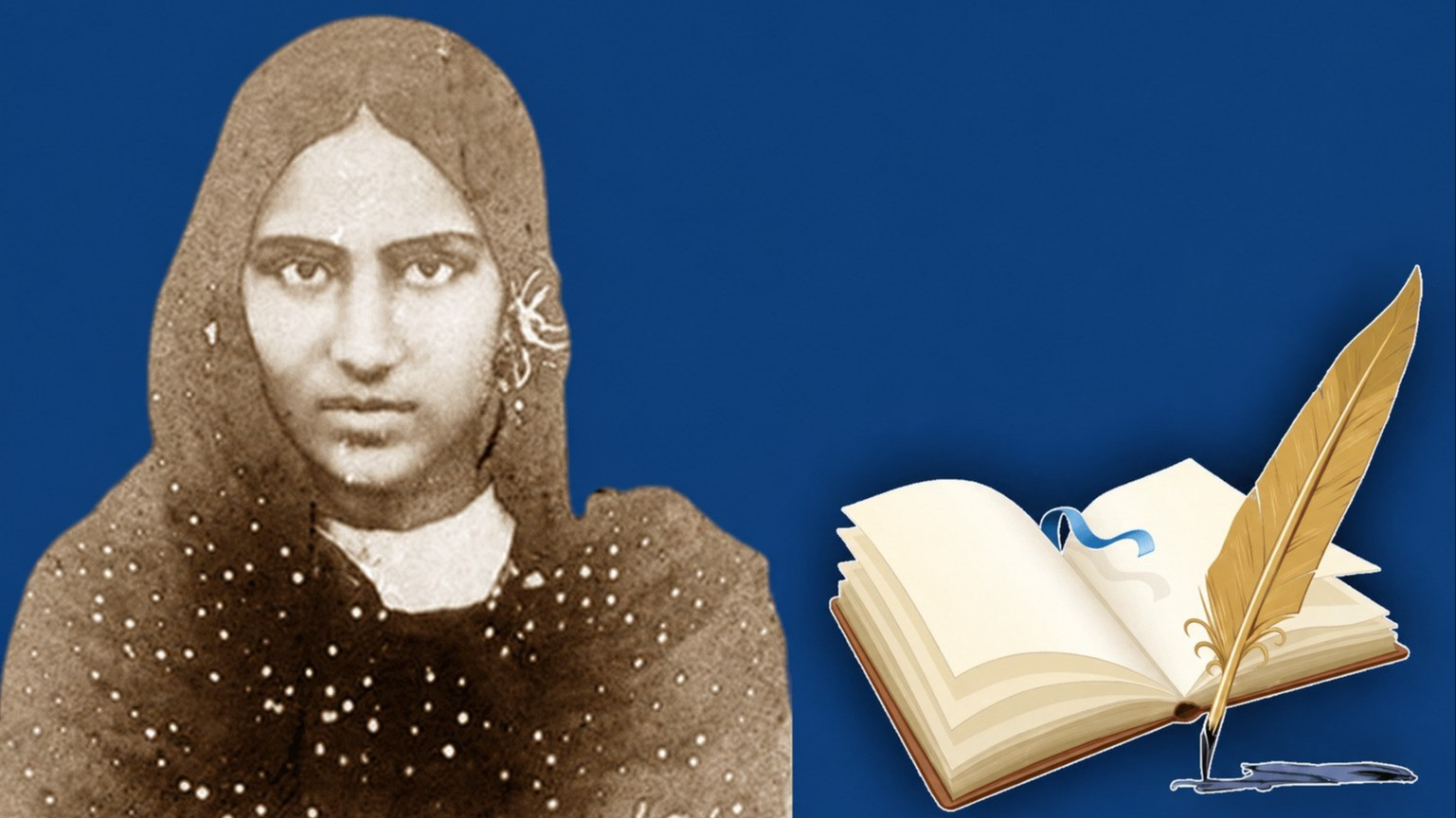
Syeda Muhammadi Begum is recognized for women's empowerment and as the first female journalist in the Indian subcontinent.
In the Muslim world, Sayyida Muhammadi Begum is known for women's empowerment and as the first female journalist of the Indian subcontinent. She undertook many initiatives to change the condition and direction of women. The contemporary society was not ready to accept those innovations. Nevertheless, she sowed the seeds for women's empowerment, which later became a source of inspiration for the world.
Muhammadi Begum was raised in a progressive environment
Muhammadi Begum was the daughter of the principal of Wazirabad High School, Syed Muhammad Shafi, and she was born in Shahpur, Punjab. Syed Muhammad was a progressive individual and a supporter of girls' education. He wanted girls to receive modern education so that they could face difficulties in tough times and support their families by standing on their own feet.
It was the result of his progressive thinking that when women were confined to purdah and were forbidden to step outside the four walls of their homes, during that era, Muhammadi Begum was active in horseback riding and the male-dominated sport of cricket.
Begum's upbringing in such an open environment was complemented by her desire for a similarly open-minded partner. At that time, Mumtaz Ali had a printing press and publication house in Lahore. After the death of his first wife, Muhammadi Begum married Mumtaz Ali in 1897.
Mumtaz Ali was also a supporter of women's empowerment. He had received education from Darul Uloom Deoband and was close to Sir Syed Ahmad Khan. There is also a hostel named after him at AMU.
Muhammadi Begum handled every task at the publication house
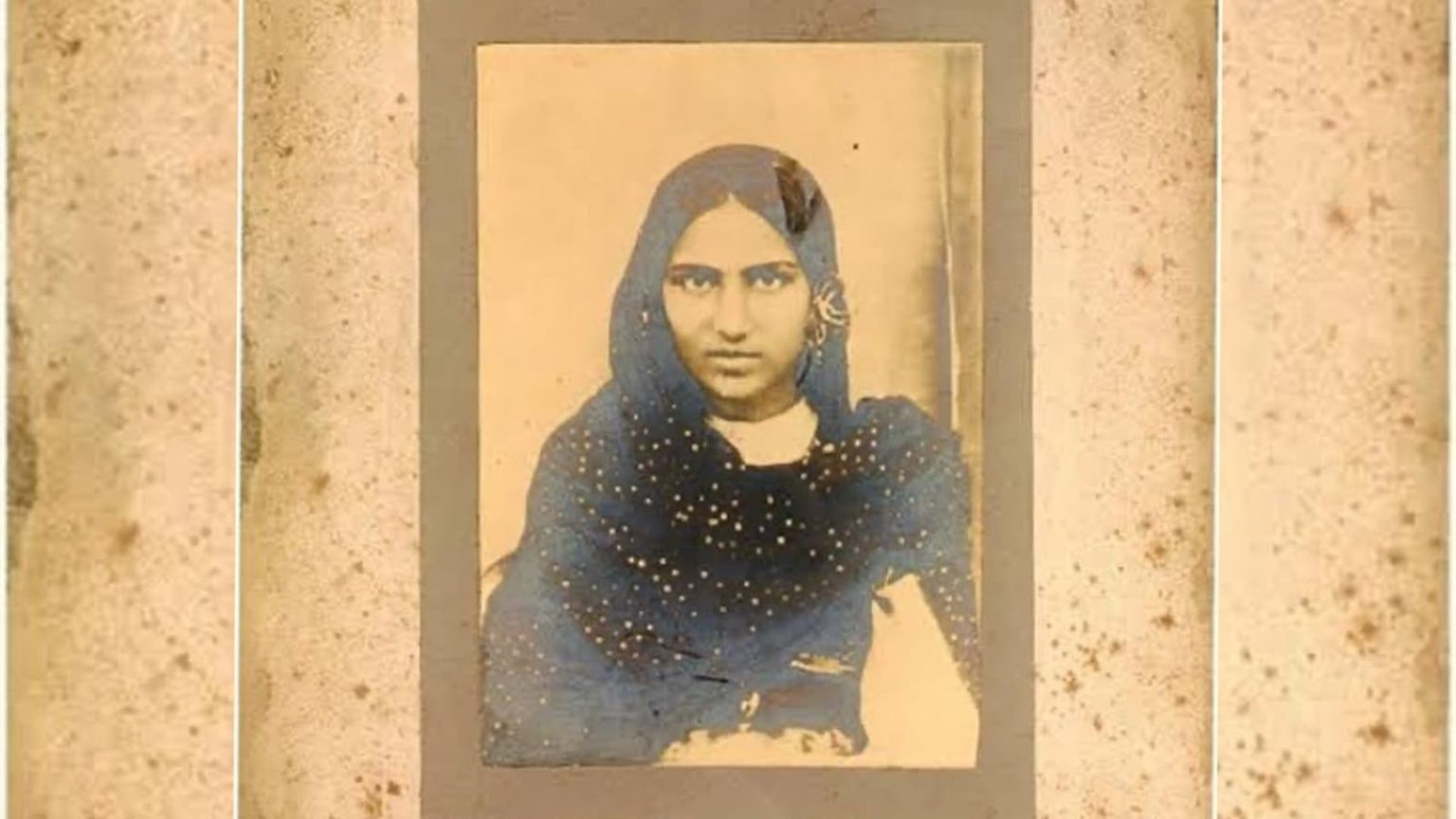
After marriage, Muhammadi Begum quickly took on the roles of publishing, editing, and proofreading at the publication house. She was knowledgeable in Hindi, Urdu, Persian, Arabic, and English, making her an invaluable asset to the publication house. About a year after her marriage, on July 1, 1898, she published the first edition of the women's weekly magazine ‘Tahzeeb-e-Niswan’.
Muhammadi Begum was not only adept in poetry, stories, women's reforms, and contemporary prose writing, but she gained real recognition when the weekly magazine ‘Tahzeeb-e-Niswan’ was published and she became its editor.
At that time, society was not in the mood to grant women more rights, so individuals, institutions, or magazines advocating for women's rights were not easily accepted. Begum distributed copies of this magazine for free.
Despite five years of hard work, the circulation of ‘Tahzeeb-e-Niswan’ remained limited to only 450 copies. Nevertheless, her spirit did not break, and she continued to speak about women's rights. In 1905, she published another magazine for women, ‘Musheer-e-Madar’, which also did not receive a good response.
Begum's magazines were not accepted by society, but she accomplished such historical work in her lifetime that the articles written in her women's magazines became documents of women's empowerment. Begum also wrote a book on women's rights, ‘Huqooq-e-Niswan’. Muhammadi Begum began working with her husband Mumtaz Ali, who had written a book emphasizing women's rights, ‘Huqooq-e-Niswan’. Mumtaz was educated at Darul Uloom, Deoband, and was a Lahore-based publisher.
‘Tahzeeb-e-Niswan’ was first published on July 1, 1898. Its aim was to uplift women, and it published articles on various problems and issues faced by women.
‘Tahzeeb-e-Niswan‘ was not the first Urdu magazine published specifically for women. Several magazines had been published before it. In this sequence, ‘Rafiq-e-Niswan’ was the first Urdu magazine. Launched on March 5, 1884, by a Christian missionary from Lucknow, it was a fortnightly publication.
‘Akhabar-un-Nisa’ was the second Urdu magazine for women. It was launched on August 1, 1884, from Delhi by the famous lexicographer and compiler of ‘Farhang-e-Asifiya’, Syed Ahmad Dehlvi. This magazine was published three times a month and advocated for women's rights, but it could not be sustained for long due to limited circulation of 350 copies.
Other works by Muhammadi Begum include: ‘Aaj Kal’, ‘Safiya Begum’, ‘Chandan Haar’, ‘Aadab-e-Mulaqat’, ‘Rafiq Aroos’, ‘Khanadari’, ‘Sughar Beti’.
Muhammadi Begum also received a scholarship at Oxford University
In the early 1930s, a young Muslim woman from the Hyderabad state, Muhammadi Begum received a scholarship to Oxford University, making her one of the few Indian Muslim women to receive this opportunity.
As a keen observer, she wrote a diary that mentioned the political events of the time when competing political ideas striving to improve life had captivated the imagination of people in Europe. Far from Europe, movements for freedom were also gaining momentum in the colonies of the British Empire.
For the first time depicting this era, a diary written abroad by Muhammadi Begum emerges after a long journey from Hyderabad, which has been translated from its original Urdu. It was a journey of discovery for her, supported by a visionary mother and a supportive husband. Describing her everyday life in a foreign land was a new experience for her, which she handled with confidence.
Filled with curiosity, meeting new people and embracing changes, such as the birth of her child or balancing household chores with studies, was part of her life. She was comfortable in her new surroundings and welcomed discussions, whether it was about Gandhian philosophy with fellow academics, reading Iqbal's verses, or questioning her teacher about women's participation in the Oxford Union.
Muhammadi Begum lived for only 30 years. In her short lifetime, she wrote thirty books, including “Sharif Beti,” which focuses on the dangers of arranged marriages for children.
Her son Imtiaz Ali Taj was a renowned playwright. His work ‘Anarkali’ was adapted into the film ‘Mughal-e-Azam’.
References
Muhammadi Begum, A Long Way from Hyderabad, Diary of a Young Muslim Woman in 1930s Britain, Primus Books, 2022