
Supreme Court delivers setback to Modi government on transport ban

AI Image
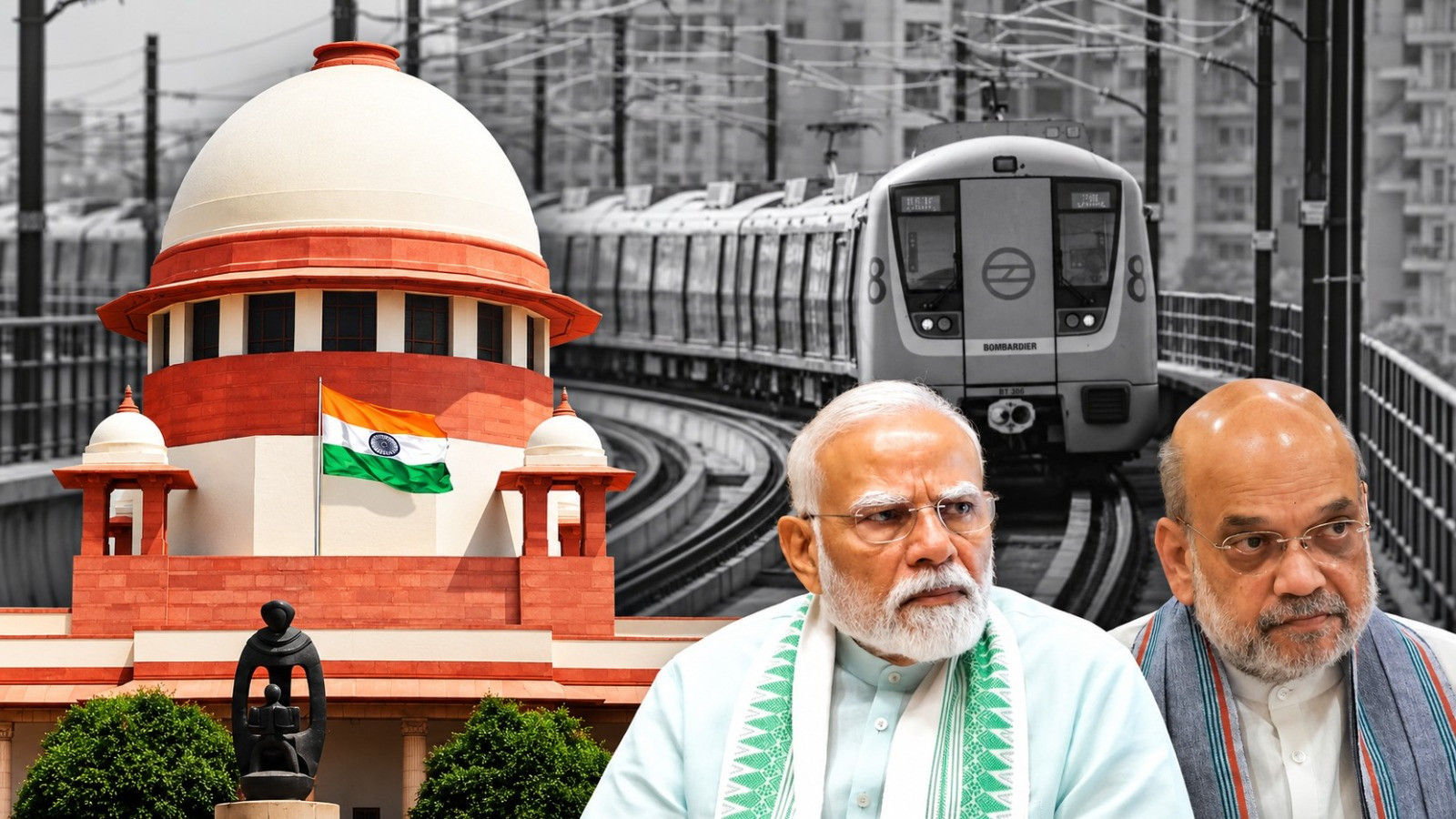
The court stated that public transport cannot be completely halted under the guise of security.
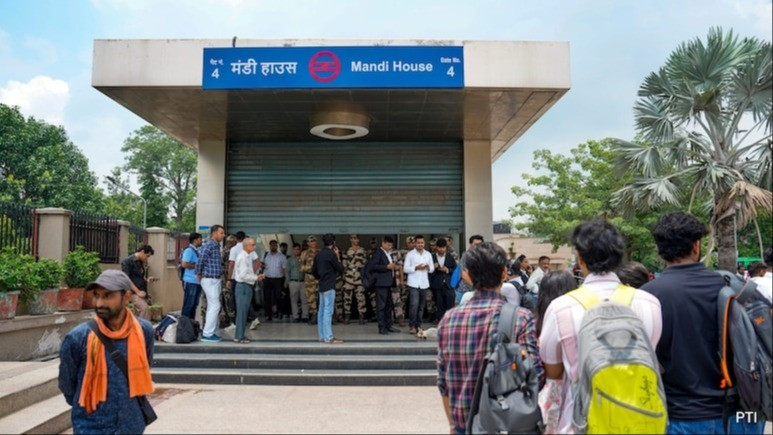
The Supreme Court expressed serious concern on Friday regarding the closure of metro stations and restrictions on transport services ahead of the proposed protest against the Chief Election Commissioner on October 10. The court stated that public transport cannot be completely halted in the name of security arrangements. Such restrictions would affect the rights of ordinary citizens who rely on these services for their daily work and livelihood.
Live Law reported that a bench comprising Chief Justice Suryakant, Justice Joymalya Bagchi, and Justice V. Mohan was hearing petitions challenging the restrictions imposed in Delhi. These included a petition by the General Secretary of the Communist Party of India (Marxist), M.A. Baby, against the closure of metro station entrances and the cancellation of train services. Senior advocate and MP Kapil Sibal represented him in court.

During the hearing, the Chief Justice clarified that,
“Law enforcement agencies have the right to take regulatory steps to prevent uncontrolled movement of crowds and maintain order. However, this does not mean that public transport should be completely stopped or that passengers should have no alternative for commuting.” He added that the administration should also consider the needs of ordinary citizens who do not have private vehicles.
Bar and Bench reported that the Chief Justice stated,
“Not everyone has a car. Not everyone has access to private transport. People depend on public transport. This cannot be done.” His comments were focused on the inconvenience faced by passengers, whether or not they participate in the protest, but who would be affected by the halt in transport services.
Addressing the Solicitor General, the Chief Justice remarked that,
“The court's primary concern is regarding the complete closure of metro station entrances. This concern is not limited to any particular protester or individual. It pertains to the millions of passengers who commute from Gurugram, Greater Noida, East Delhi, and South Delhi to various parts of the capital for their livelihood.”
The bench acknowledged the administration's right to implement security measures while questioning the neglect of public convenience. The court stated, “Law enforcement agencies can certainly take regulatory measures, there is no doubt about that. If you want to prevent uncontrolled movement, you can do so. But that does not mean you shut everything down and leave people without any means of transport.”
Earlier, the Delhi Metro Rail Corporation (DMRC) announced on the social media platform X that, for security reasons, entry and exit at several metro stations would be closed from 9 PM on October 9. This arrangement will remain in effect until further notice on October 10, 2026. The DMRC also clarified that interchange facilities would remain available at all affected stations except New Delhi metro station.
This means that despite the closure of entry and exit at affected stations, passengers will still have the facility to transfer from one metro line to another at most locations. However, this facility will not be available at New Delhi metro station. The questions raised in court were primarily related to the difficulties faced by passengers arriving from outside the station and those exiting the metro to reach their destinations.
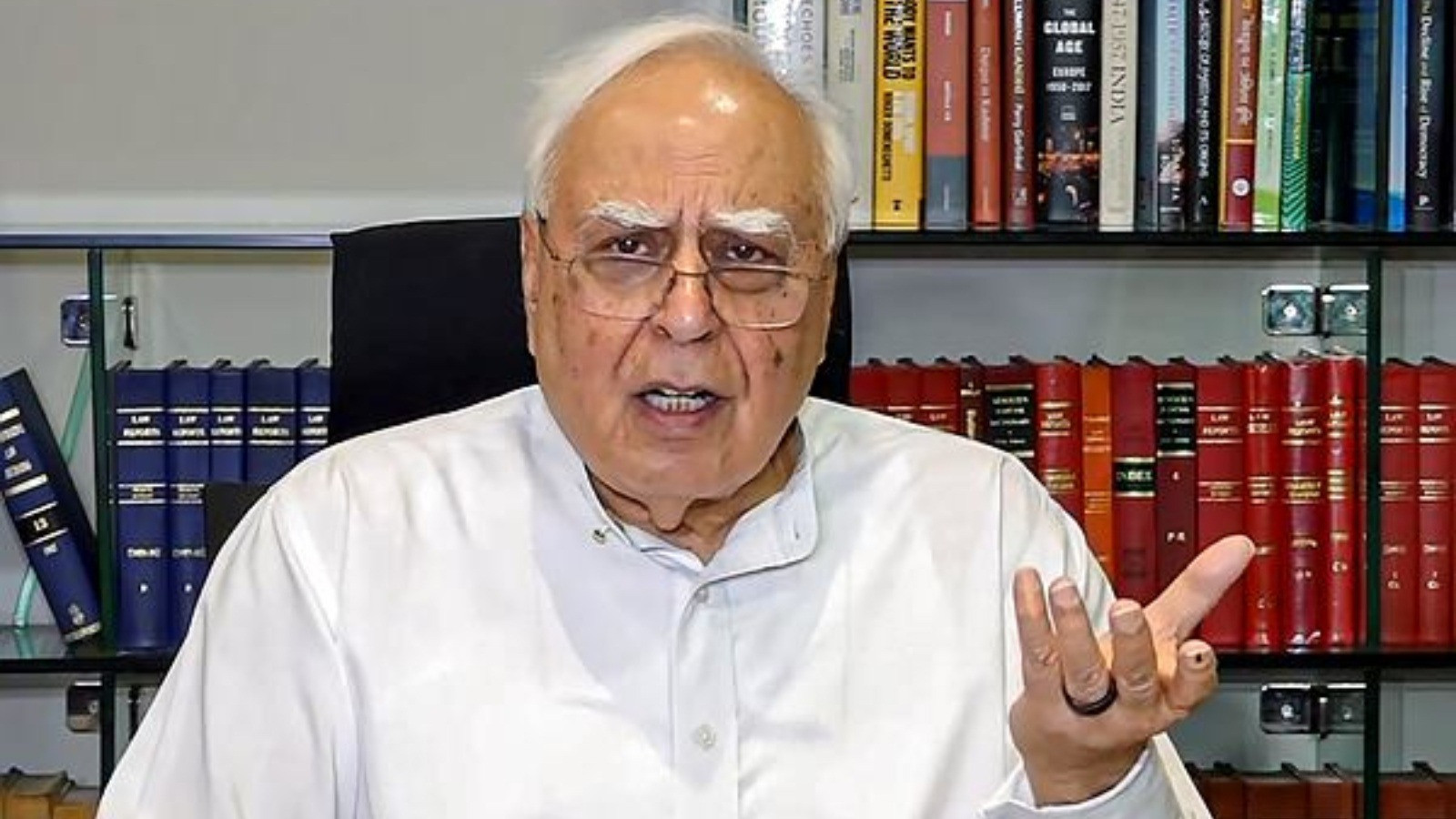
On behalf of the petitioner, Kapil Sibal questioned the extensive restrictions being imposed in the capital.
He stated,
“All trains are cancelled, metro stations are closed. You cannot go anywhere. What is happening in my country? This is a peaceful protest.” Sibal told the court that the capital is being shut down ahead of the proposed protest.
The Cockroach People's Party (CJP) and opposition parties have announced a protest against the Chief Election Commissioner in Delhi on Saturday, October 10. In this regard, various restrictions have been announced in the capital, including the potential closure of 57 metro stations, delays and cancellations of trains, and extensive barricading.
During the hearing, the Supreme Court emphasized that the needs of daily commuters should also be taken into account while implementing security measures. The bench stated that the right to control crowd movement does not permit the complete halt of public transport. The court specifically highlighted the difficulties faced by those whose livelihoods and daily commutes depend on metro and other public transport services.