
Why the film on Neem Karoli Baba is a hit despite flaws
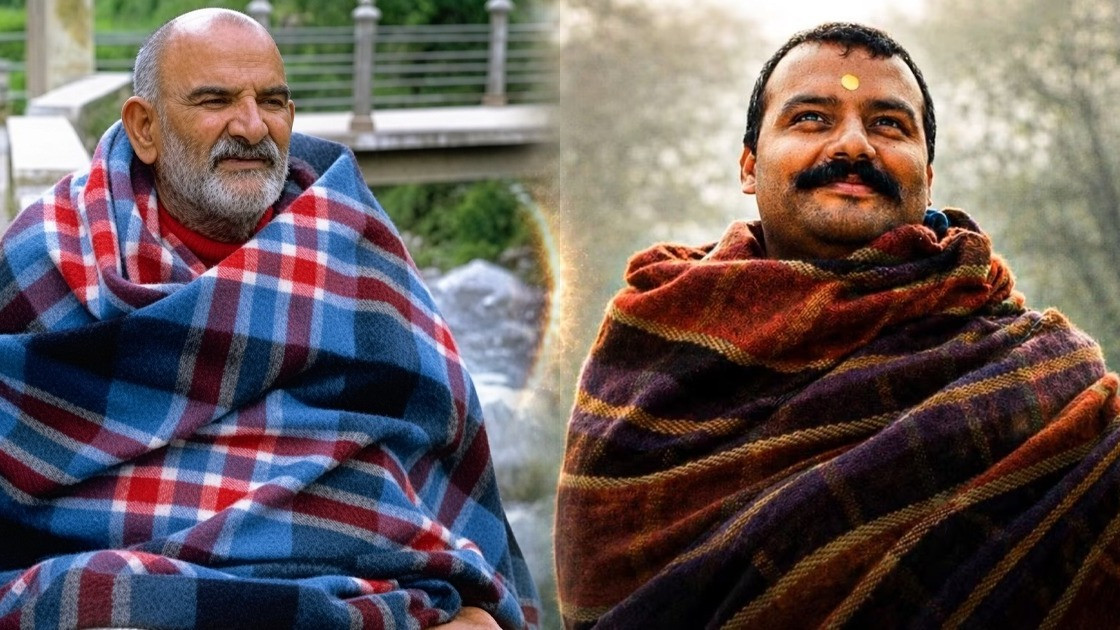
Hanuman Ansh appears weak on every filmmaking criterion but is a super hit on the faith scale.
The small-budget film Hanuman Ansh, released in August 2026, unexpectedly performed remarkably at the box office. Based on the life of Neem Karoli Baba, the film initially earned barely ₹10 lakh without any major stars or extensive promotion. However, through word-of-mouth, it eventually crossed ₹40 crore. People are getting emotional,
Neem Karoli Baba devotees are calling it a miracle. However, viewing the hidden old story behind the film's success from a psychological perspective reveals how beautifully faith and miracles can be intertwined. Although the much-discussed film Hanuman Ansh appears weak and flimsy by every standard of filmmaking, it is a super hit by the standard of faith.
Neem Karoli Baba's original name was Lakshman Narayan Sharma. He was born around 1900 in a wealthy Brahmin family in the Akbarpur village of Firozabad district, Uttar Pradesh. He was married at the age of eleven. After spending some time at home and having two sons and a daughter, he left home to become a sadhu, wandering from village to village in North India.

He was sometimes called Lakshman Das, sometimes Handi Wale Baba, and sometimes Tikonia Wale Baba. One day, he was traveling on a train without a ticket near Farrukhabad. The ticket checker threw him off. According to devotees, the train did not move forward. The officials apologized, brought him back on board, and then the train started. It was from that incident that he came to be known as Neem Karoli Baba. Later, ashrams were established in Kainchi Dham and Vrindavan. He passed away on September 11, 1973, in a diabetic coma in Vrindavan.
Neem Karoli Baba gained global fame through Richard Alpert. In the 1960s, Harvard University psychology professor Richard Alpert, along with Timothy Leary, was researching a drug called LSD. They believed that spiritual experiences could be achieved through LSD. During this research, they also administered doses of LSD to students, which led to their dismissal from the university.
Alpert came from a wealthy Jewish family and was successful, but felt an emptiness inside. The experiences with LSD were temporary. His spiritual restlessness brought him to India in 1967. There, he met an American sadhu named Bhagwan Das, who took him to Neem Karoli Baba. Alpert later became Ram Dass. His books “Be Here Now and Miracle of Love” made Baba famous in the West.
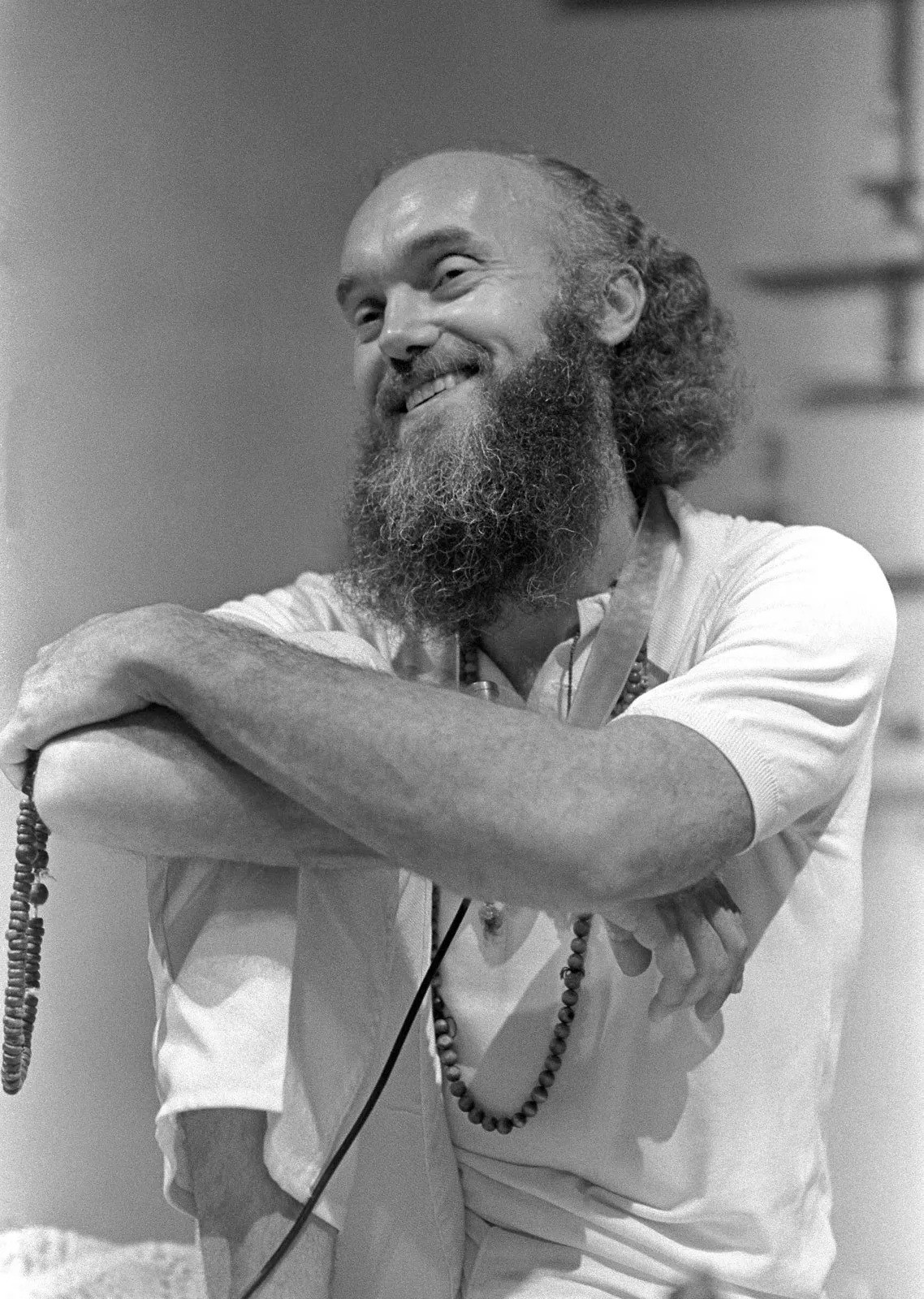
However, Indian newspapers of that time did not give much attention to these stories. No major news was made. Neem Karoli Baba was known locally. His global fame came from Ram Dass' books and their connection to the LSD era. The most famous incident is the one involving his mother. Ram Dass says that,
One night, he was thinking about his mother, who had died of spleen disease. The next day, Baba said exactly that and referred to it in English as “spleen.” Ram Dass cried. From a psychological perspective, this seems like “cold reading.” The death of his mother could have been in public records. Going outside at night could also be inferred. Many skeptics have questioned this claim.
Ram Dass himself had undergone experiences with LSD and other substances at that time. Did his mind dramatize the event?
The LSD story is even more suspicious. Ram Dass claims to have given Baba 900 to 1200 micrograms of LSD on two separate occasions. Baba took the LSD, and it had no effect on him. Ram Dass considers this a divine state. But critics ask, did Baba really swallow the pills? Famous critic Terence McKenna expresses doubt that it could also be sleight of hand. Another critic, Paul Krassner, once claimed that Ram Dass later considered the story fabricated, although Ram Dass denied it. Psychologically, a person who has taken LSD hundreds of times may have their memory and interpretation affected. It is possible that Ram Dass himself was under the influence of LSD at that time and was exaggerating the event.
Miracle of Love contains hundreds of miracles such as stopping trains, healing illnesses, increasing food in community kitchens, and Neem Karoli Baba being in multiple places at once.
It is noteworthy that all these are statements from devotees. There is no independent evidence. Exaggeration is common in oral traditions. When a person experiences unconditional love, the mind can transform events into miracles. This is called confirmation bias.
The most serious aspect is the treatment of women.
In the “Krishna Play” chapter of Miracle of Love and some devotees' statements, there are mentions of Baba's physical contact, such as touching the chest, sitting in laps, breastfeeding incidents, and in one case, kicking. Critics like Matthew Remski describe this as an example of power abuse in the guru-disciple relationship. Some refer to it as the “gray rape complex.” The media of that time ignored these matters. From today's perspective, it is natural to raise these questions.
A major reason for Neem Karoli Baba's popularity was Ram Dass's Western network. A Harvard dropout, an LSD user, and then his “guru becoming” story attracted the hippie generation. Baba himself shunned fame. But the story reached the world filtered through Ram Dass. Names like Steve Jobs and Mark Zuckerberg later became associated, but the original basis remained Ram Dass's books.

Today, the film is a hit. People are getting emotional. But from an investigative perspective, it seems that the stories of miracles may be exaggerated, memories may be colored by intoxication and faith, and some behaviors raise questions by modern standards. The truth may lie in the experience of simplicity and unconditional love, not in those events that were later transformed into miracles.
The success of the film reminds us that the more emotional the story is, the more it is necessary to examine it with a cool head. Currently, Hanuman Ansh is a hit just like Jai Santoshi Maa, which was released alongside the timeless film Sholay in 1975 and became a super hit, and Bismillah Ki Barkat, which was a hit in 1983. There is no formula greater than faith and religion to make a film a hit, and Hanuman Ansh has proven this once again.

Iqbal Ahmad
इक़बाल अहमद पेशे से फ्रीलांस लेखक हैं और यू ट्यूब पर पाँच साल से सक्रिय पत्रकारिता कर रहे हैं। द क्रेडिबल हिस्ट्री पर इनका साप्ताहिक शो ‘द मुस्लिम एंगल’ दर्शकों में लोकप्रिय है।