
Insensitive coverage by Indian media during Nepal tragedy
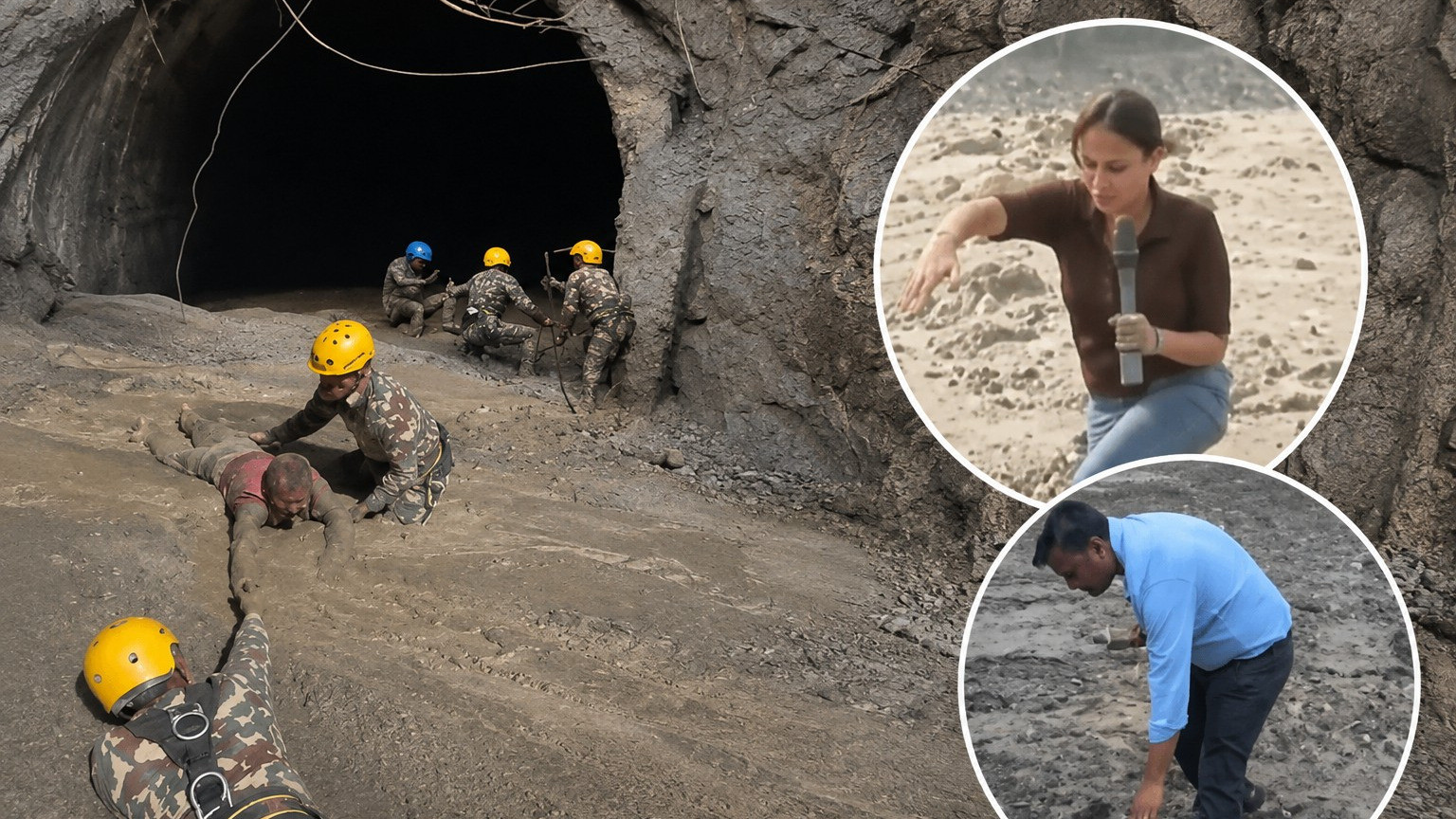
How can Indian news reporters and anchors be so insensitive during such a difficult time?
Nepal is grappling with a devastating flood, bringing tragedy and mourning. Amidst the cries and struggles of thousands trapped in the mire, the Nepalese army and disaster department employees are tirelessly engaged in rescue and relief operations. However, instead of showing empathy and struggle, the Indian media is indulging in drama for TRP, with reporters and anchors overacting. How can Indian news channel reporters and anchors be so insensitive even in such difficult times and tragedy?
To engage in such cheap and sycophantic overacting for their channel's TRP and to turn this tragic event into a mere TRP spectacle requires extreme insensitivity, which is exactly what many news channel anchors and reporters from India are doing in Nepal.
Leading this overacting are the loudest reporters and anchors from Republic channel. The influence of the channel's owner, Arnab Goswami, is evident on his subordinates. Or perhaps they are trained for this and receive such instructions from their Editor-in-Chief. Not just Republic, but videos of reporters from News 24, News Nation, and several other news channels are going viral on social media, where they are not only becoming subjects of ridicule but also facing criticism for their reporting. However, they seem unconcerned about criticism, as they enjoy becoming meme material.
But it is surprising that the Nepal government allowed this sycophantic, dramatic Indian media to enter the country. Even during the tragedy, they arrived there and are indulging in drama for TRP instead of reporting. Calling them shameless would be an understatement.
Following the catastrophic flood caused by a glacier in Nepal, approximately 600 people have died, and over 2,500 are missing. Scientists are warning that climate-related threats are continuously increasing in the warming Himalayas. But what is the Indian media busy showing in this difficult situation? In Nepal, people reportedly had a vision of Lord Shiva before the disaster struck. Meaning, they are forcing a religious angle everywhere.
Instead of asking what caused this disaster, how climate change is destabilizing the Himalayas, and why such disasters are becoming increasingly dangerous, they are busy turning this tragedy into a religious spectacle.
Take a look at NDTV's reporting. NDTV's CEO and Editor-in-Chief Rahul Kanwal is seen forcing people stranded at Kathmandu airport during the flood to speak into the microphone.
In a video, a woman tells NDTV's CEO Rahul Kanwal,
When the water came rushing down, the face of Lord Shiva appeared. She also showed a picture and claimed that the soil and debris accumulated on the hill resembled the face of Lord Shiva.
This is how the Indian media is reporting on Nepal's flash flood tragedy. Needless to say, the Indian media is stuck in the quagmire of insensitivity in Nepal. Along with the mud flood, the "media flood" is overwhelming the Nepal government.
The editors-in-chief, anchors, CEOs, and reporters of this "Godi Media" should know that their bosses are not ruling as non-biological superhumans in Nepal. They arrived with cameras and microphones and started reporting. The Balen Shah government of Nepal has imposed specific conditions for disaster coverage.
The Nepal government has recently implemented new rules for domestic and foreign media outlets covering the flood in the Bhote Koshi river. According to the Information Administration and Press Branch Department under the Ministry of Information and Communication, foreign journalists must submit a copy of their passport and valid visa, along with an appointment letter or agreement from their media organization.
Information Department spokesperson Govind Prasad Pandey said,
The same arrangement has long been in place for foreign journalists working under print and broadcasting rules and procedures. The existing provision has been maintained.
After the devastating flood in the Bhote Koshi river early Wednesday, many foreign journalists from international media have started arriving in the severely affected areas. The department has also asked foreign journalists to submit a request letter from their media organization and a letter issued by the foreign ministry of the concerned country or its embassy/consular office in Nepal.
The notice states,
Once the online application is approved, the applicant must personally visit the department to obtain the press representative certificate and journalist ID card, bringing two passport-sized photos in the prescribed format.
Pandey also clarified that,
Foreign journalists who have already arrived in Nepal must obtain a press pass before starting reporting. If anyone reports without a press pass, it will not be considered legal, and it will be assumed that necessary procedures have not been completed.
An official from the Communication Ministry, speaking on condition of anonymity, said the notice was issued to monitor foreign journalists working in the country.
Satish Verma
सतीश वर्मा पेशे से पत्रकार हैं। हिंदी की मुख्यधारा की पत्रकारिता में इन्हें 20 साल से ज्यादा का अनुभव है।