
Scam in Haj pilgrimage funding after temple donation theft
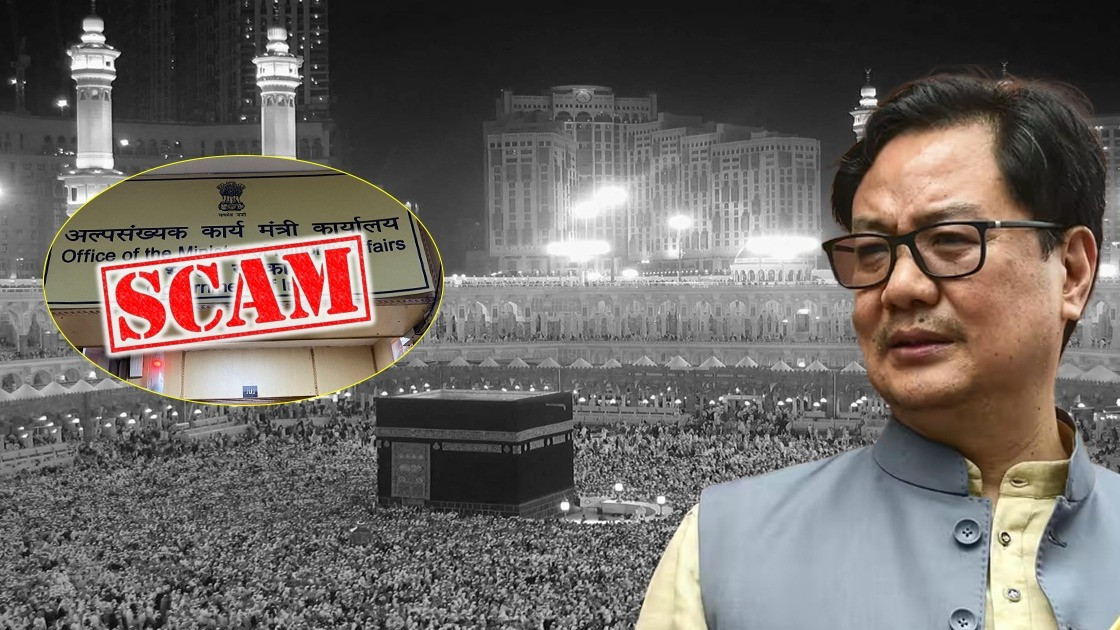
Why doesn't the ministry absorb the extra 1500 Riyal burden on pilgrims?
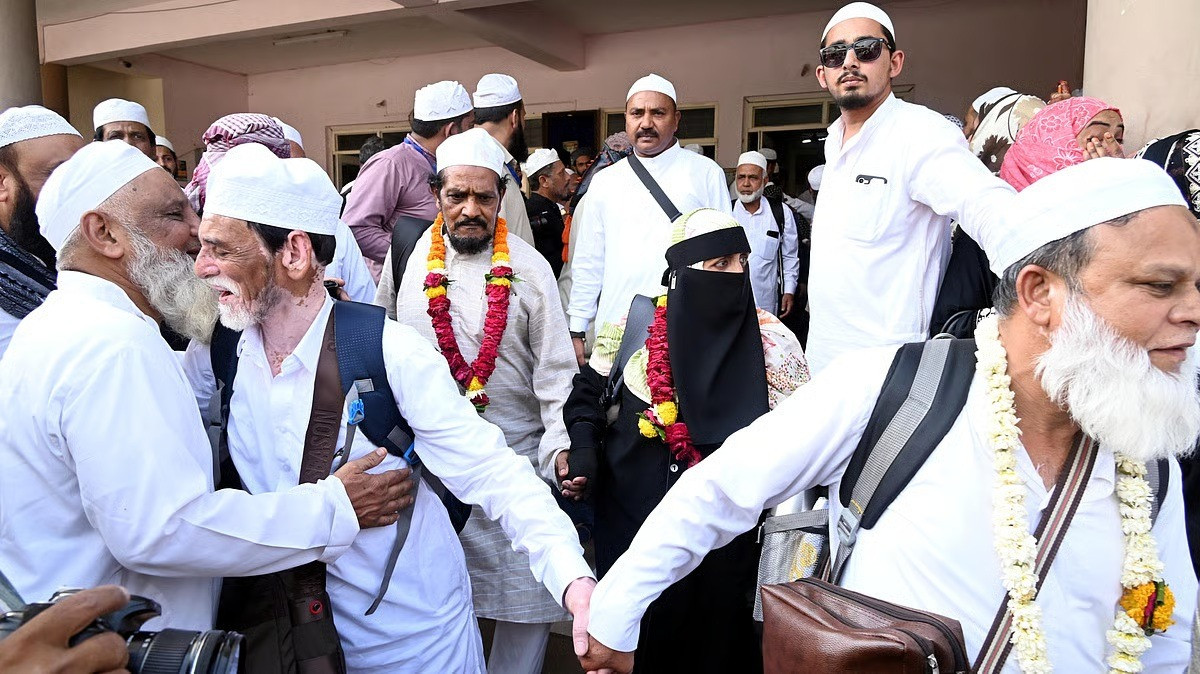
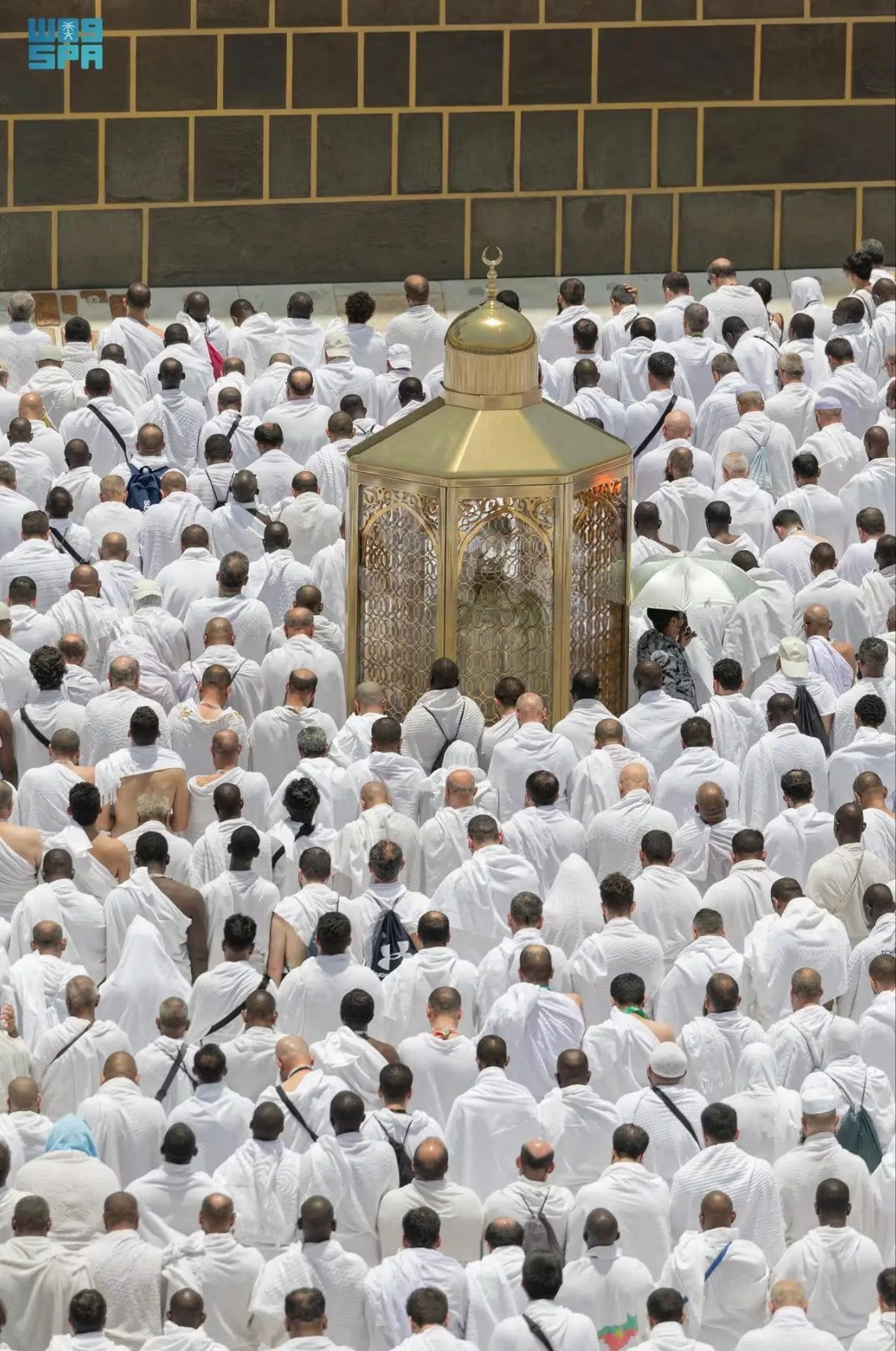
The Haj pilgrimage is the largest religious gathering for Muslims. Every year, approximately 20 lakh people participate in it. Around 1.25 lakh pilgrims travel from India. In recent years, complaints of corruption and irregularities in the management of the Haj pilgrimage have surfaced. The latest issue is related to the selection of a service provider agency for Haj 2027, which is expected to impose an additional burden of around ₹300–350 crore on the pilgrims.
Under the Haj quota, approximately 1.25 lakh devotees from India reach Saudi Arabia every year. However, apart from those going through the government quota, some people also participate in this holy journey through private operators. To control the crowd, a quota for the number of pilgrims is set for each country. Despite this, a lot of resources are needed for the accommodation, food, and transportation of so many pilgrims. However, the Saudi Arabian government limits itself to the administrative responsibilities of the Haj. The responsibility for where the Haj pilgrims will stay, what they will eat, and how they will travel locally during the Haj lies with the countries or agencies requesting the quota for Haj pilgrims.
In India, the management of the Haj pilgrimage is handled by the Haj Committee, which works under the Ministry of Minority Affairs. Additionally, the Indian Consulate in Jeddah also assists in the management of the Haj pilgrimage. The government collects a predetermined fee from those interested in the Haj pilgrimage about eight to nine months in advance. Then, pilgrims are selected through a lottery. The expenses of the Haj pilgrimage, its management, and the Haj Committee ultimately fall on the pilgrims. Ethically, the government should ideally not interfere in any religious pilgrimage, and if necessary, it should ensure that pilgrims are not inconvenienced. However, past experiences indicate that the Haj pilgrimage is not only falling prey to corruption at every step, but the Haj Committee and the government are leaving no stone unturned in troubling the pilgrims.
The latest issue is related to the selection of the service provider agency. This year,
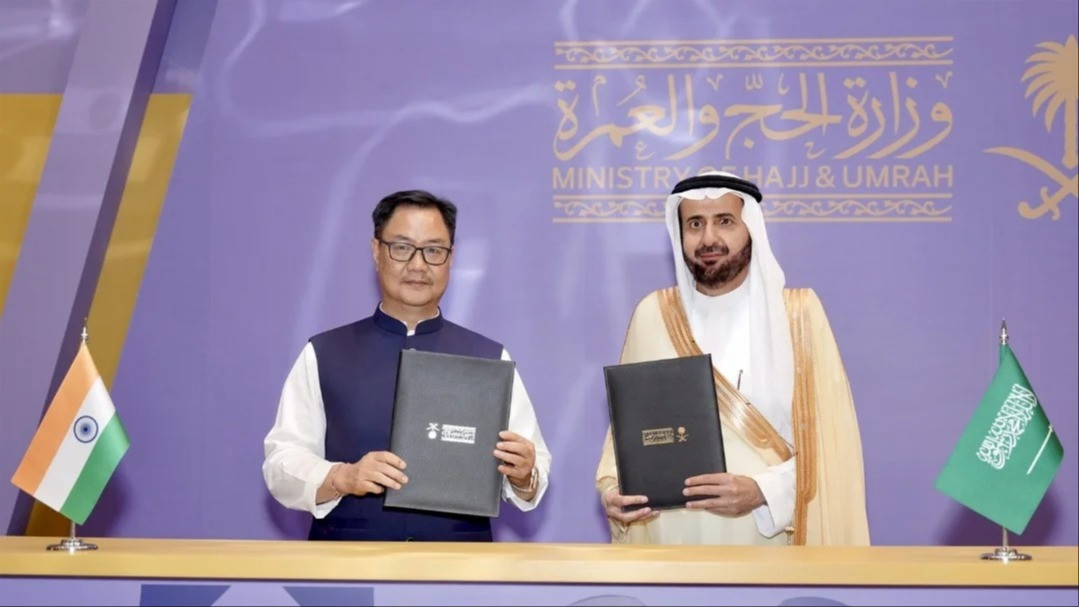
the Saudi Arabian government has made some changes in the rules for Haj 2027. A few months ago, the Ministry of Haj of Saudi Arabia announced the Comprehensive Service Package (CSP) policy. Under this, foreign governments were asked to select a single company to provide services related to accommodation, transportation, food, and Haj rituals for their pilgrims. Previously, this work could be done by several different agencies. The main objective of this policy was for governments to engage in collective bargaining to reduce Haj costs and provide affordable services to pilgrims.
Since the government collects a lump sum payment from pilgrims for every activity related to Haj, any discrepancy ultimately affects the pilgrims. This has been happening for several years. The new policy of the Saudi Arabian government was expected to provide some relief to the pilgrims this time, but that did not happen. The Ministry of Minority Affairs and the Haj Committee repeated the same game that has been played for years. Although Saudi Arabia announced the new policy several months ago, the responsible officials of the Haj Committee remained inactive. Or, it can be said that they waited until the last moment to facilitate manipulation.
From the beginning, there seemed to be discrepancies in the tender for India's CSP selection.
Have you ever heard of a tender worth more than ₹2,000 crore being conducted through the QCBS method? However, this has been happening in the case of the Haj pilgrimage for many years. Nevertheless, the Ministry of Minority Affairs issued a tender notice through the Indian Consulate in Jeddah on August 11. Applicants could apply until August 22. The terms and conditions of the tender were written in such a way that many companies lost their eligibility. According to the rules, 70 points were for financial eligibility and 30 points were related to technical capability and quality. However, this time, 20 out of 30 points were allocated for presentation. Despite this, 16 companies participated in the tender process. But in the first round of shortlisting, 13 companies were eliminated.
Among the three companies that reached the financial evaluation, M/s Mashareq Al Mutamayza (L1) offered to provide all services at 8,717 Saudi Riyals per pilgrim. In contrast, M/s Ithra Al Khair (L3) submitted the highest bid for its services at SAR 9,777 per pilgrim. This was 1,059.99 Saudi Riyals more per pilgrim compared to the L1 company. Additionally, another company, M/s Mashareq Al Maseyah, quoted 9,721.68 Saudi Riyals per pilgrim in its bid. Clearly, the bids of M/s Mashareq Al Mutamayza and M/s Ithra Al Khair amount to approximately ₹331 crore considering the current value of the Riyal.
For the selection of the service provider company, the Ministry of Minority Affairs formed a Tender Evaluation Committee (TEC). It included Haj Committee CEO Shahnawaz Chandmakuzhiyil (IAS), Deputy Secretary in the Ministry of Minority Affairs Shravan Jatavath (IAS), First Secretary at the Indian Embassy in Riyadh Rishi Tripathi (IFS), Haj Consul in Jeddah Sadaf Chaudhary (IFS), and Consul General Fahad Khan Suri (IFS). This committee was supposed to make clear recommendations based on the technical capability, presentation, and working ability of the companies. Surprisingly, the committee acknowledged that M/s Mashareq Al Mutamayza (L1) was technically capable (highest score 92.13). But by the time the decision reached Delhi, it had changed.
In the end, the contract was awarded to the company with the highest bid and the lowest technical points. Before canceling M/s Mashareq Al Mutamayza's bid, they were asked how they submitted such a low bid. The company responded that they have their own resources, are the seventh most capable company providing such services in Saudi Arabia, and have commendation from their government for providing quality services. The company stated that they were ready to provide separate amounts based on each service, but they were not given the opportunity.
Ultimately, the ministry again selected M/s Ithra Al-Khair. Despite the highest rate (SAR 9,777 per pilgrim) and a poor service record, the ministry's favoritism towards this company is beyond comprehension. For the past four years, the company has been successful in securing the contract from the Ministry of Minority Affairs. Last year, pilgrims complained about the extremely poor services of this company during Haj. Despite this, Al Ithra Al Khair managed to secure the contract for the fourth consecutive time. This directly means that approximately 1.22 lakh Indian pilgrims (the minimum government number) will now bear an additional cost of 1,059.99 Riyals per person. This amounts to around ₹331 crore in total. This issue is not just about benefiting one company, but about imposing unnecessary financial burdens on millions of Indian Muslims. Transparency and accountability should be paramount in this process involving public funds and religious pilgrimage.
This contract is just a glimpse of the corruption-related issues in the Haj pilgrimage. There is no account of the interest earned on the money collected from pilgrims months in advance. Interest is forbidden for Muslims, but the officials of the Haj Committee consume interest on this money. Similarly, there is no lack of manipulation in the selection of airlines. Generally, a return ticket to Jeddah costs between ₹20,000 to ₹35,000, but Haj pilgrims are charged over ₹1 lakh per ticket. Last year, an additional ₹10,000 was collected at the last moment. Besides, the previous year's scam also remained in discussion.
However, the Ministry of Minority Affairs has also provided a clarification on this matter. The ministry claims that the selection of the service provider company was done through a transparent tender process and that there was no manipulation involved. But would you believe the ministry's statement? - First, is it just a coincidence that the same company has been getting the contract for four consecutive years? Has this company performed satisfactorily in the past years? Ask those who went on Haj in the last four years. Such poor service is rarely experienced by pilgrims from any country. Isn't it true that the previous CEO of this company was a Pakistani? If an ordinary Muslim had any connection with an institution with a Pakistani connection, what kind of spectacle would the minister of this ministry have created?
When the technical committee recommended another company, why was the contract given back to the old service provider? If this was the intention, then why the drama of forming a technical committee? Why doesn't the ministry bear the additional burden of 1500 riyals on the pilgrims?
In 2026, during the Haj pilgrimage, the purchase of a GPS watch was made mandatory for every pilgrim. It was said that this was to track the pilgrims and prevent them from getting lost. However, these watches did not work. Pilgrims would charge their watches, and as soon as they left the hotel, the battery would die. Many pilgrims returned from Haj with this junk as a souvenir. The watches were procured from a company named Sekyo Innovations, which operated out of a corner in a basement. The name itself suggests that it creates confusion with the Seiko brand and sells substandard products.
Nevertheless, cheap Chinese-type watches were foisted on one and a quarter lakh pilgrims. The wholesale price of these watches in Shanghai is not more than ₹400-500, yet pilgrims were charged ₹5000-7000 for them. All these scams are happening under the nose of the minister who is a favourite of the Prime Minister. If he could spare some time from trolling opposition leaders, he might look into these scams. However, for those who think that only temple donations are stolen in this government, this is a reassuring fact. Our government is secular enough to treat all religions equally when it comes to corruption.
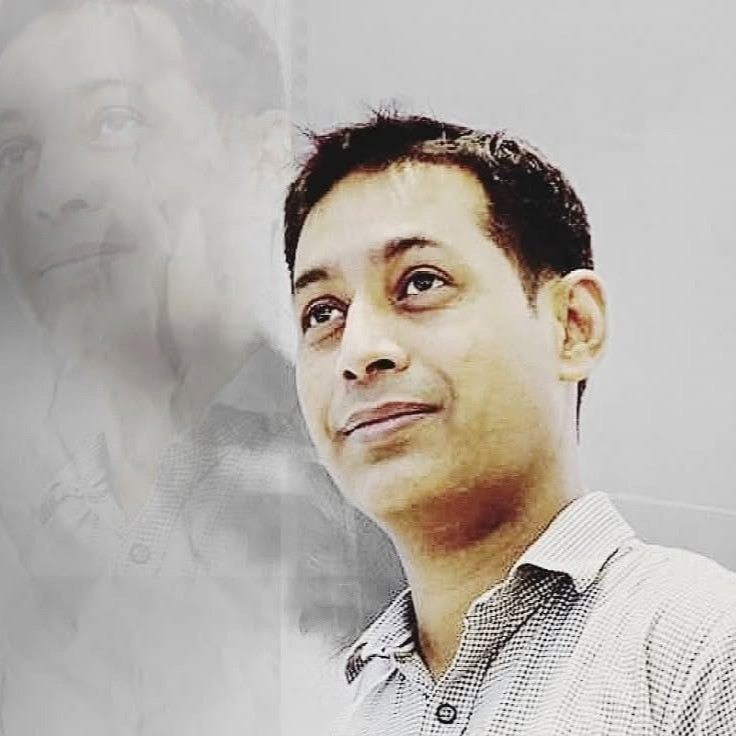
Zegham Murtaza
ज़ैग़म मुर्तज़ा को कई मीडिया संस्थानों में कार्य करने का अनुभव है। पत्रकारिता के अलावा वे स्क्रिप्ट राइटिंग, डॉक्यूमेंट्री मेकिंग और ब्लॉगिंग भी करते हैं। वे राजनीति से लेकर समाज, पर्यावरण, कानून और सामाजिक मुद्दों जैसे कई विषयों पर लिखते हैं। वर्तमान में दिल्ली विश्वविद्यालय के दिल्ली स्कूल ऑफ जर्नलिज़्म में पत्रकारिता के छात्रों को पढ़ाते हैं।