
70% water samples near Union Carbide in Bhopal contaminated

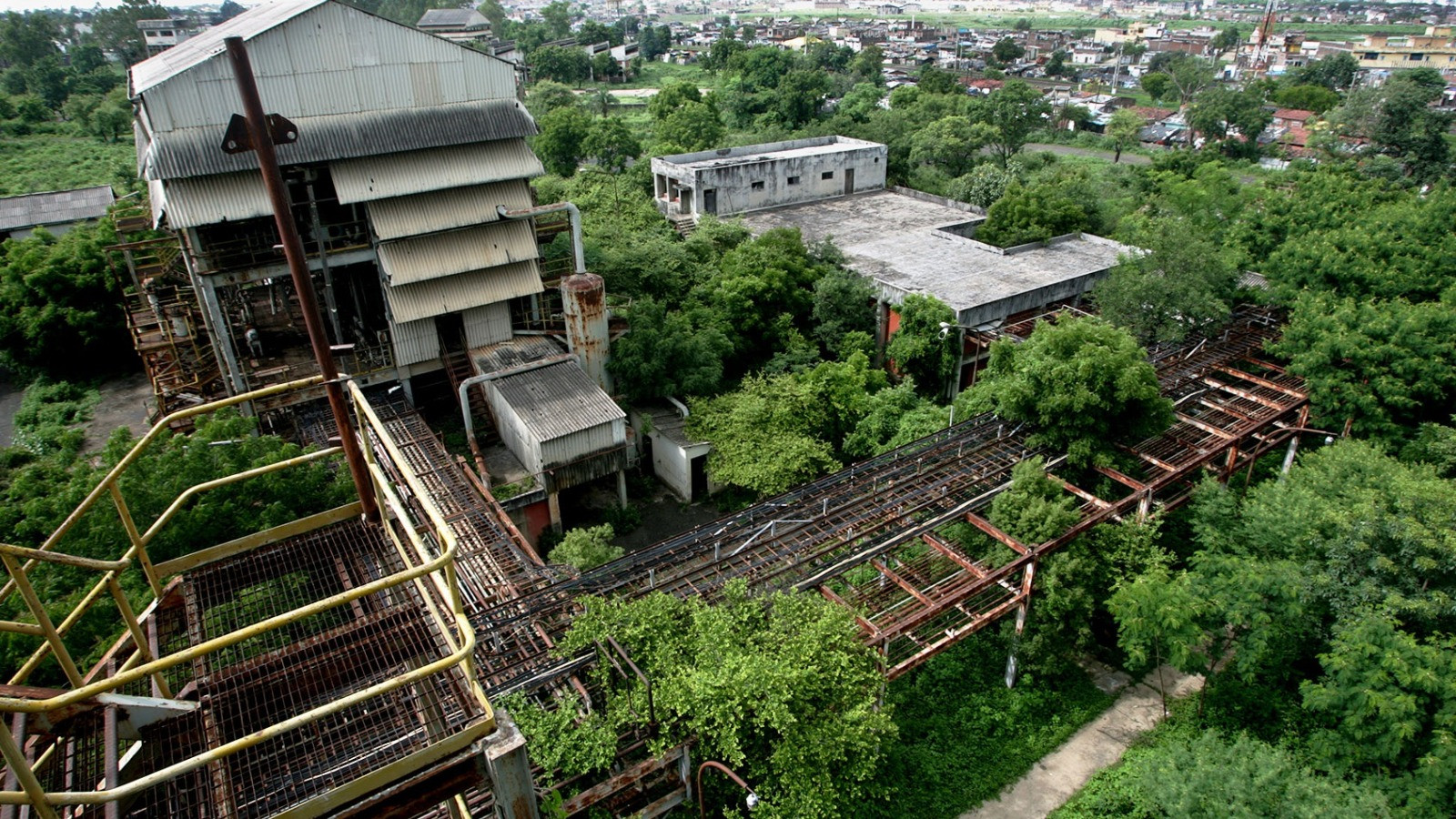
Contaminated water discovered near Union Carbide after complaints from Bhopal gas tragedy survivors' groups.
In Bhopal, nearly 70% of drinking water samples taken from areas around the abandoned Union Carbide factory were found to contain 'faecal coliform' (bacteria), indicating water contamination. This contaminated water was discovered during an investigation following complaints from several organisations representing Bhopal gas victims.
According to a report by Hindustan Times, four groups of Bhopal gas victims conducted this investigation after residents complained of receiving contaminated tap water. The organisations allege that the situation is similar to that in Indore's Bhagirathpura.
Nawab Khan, president of the Bhopal Gas Peedit Mahila Purush Sangharsh Morcha, stated that around 63 samples were taken from taps in 30 areas this month, and contamination was confirmed in 43 of them. He said that 90% of samples from the Upper Lake supply and 25% from the Kolar Dam supply were found to be contaminated. He stated,
"People living near the abandoned factory are suffering from diarrhoea, vomiting, and typhoid."
In 2004, the Supreme Court acknowledged that,
the hazardous waste dumped at the Union Carbide site was contaminating the groundwater and ordered the provision of piped drinking water to ensure residents' safety.
Rashida Bee, president of the Bhopal Gas Peedit Mahila Stationery Karmachari Sangh, said, "Now that supply is also contaminated." The organisations reported that in August 2018, the Supreme Court directed the Bhopal Municipal Corporation to lay sewage lines and ensure proper drainage systems following complaints of water contamination from sewers. They alleged that the corporation promised to complete the work in three months, but no action has been taken even after eight years.
Rachna Dhingra, coordinator of the Bhopal Group for Information and Action, demanded strict action against responsible officials. She said,
"Sewage and drainage plans should be implemented within a fixed timeframe, and independent monitoring of drinking water quality should be conducted."
Despite several attempts, BMC Commissioner Sanskriti Jain could not be reached for comment on this matter. Additional Commissioner of the Water Works Department, Tanmay Vashisht Sharma, declined to comment, citing being on leave.
Speaking to journalists in Bhopal on Friday, representatives of the four organisations presented a report on the quality of drinking water supplied to the affected residential areas. They claimed that the report shows that nearly 70% of the water samples contained 'faecal coliform', indicating water contamination. According to Nawab Khan, president of the Bhopal Gas Peedit Mahila Purush Sangharsh Morcha,
"We took 63 water samples from taps in 30 areas this month, and the presence of faecal coliform (bacteria found in sewers) was confirmed in 43 samples. There is clear evidence that the drinking water supplied in 19 out of 30 areas is contaminated. 90% of drinking water samples from the Upper Lake supply and 25% from the Kolar Dam supply were found to be contaminated."
Rashida Bee, head of the Bhopal Gas Peedit Mahila Stationery Karmachari Sangh, claimed, "People living near the abandoned Union Carbide factory are suffering from various waterborne diseases due to drinking contaminated water. Entire families are complaining of diarrhoea and vomiting, and there are numerous cases of typhoid being reported at private clinics."
She mentioned that in 2004, the Supreme Court was informed that the groundwater in these areas had become contaminated due to toxic chemicals and heavy metals leaching from the hazardous waste carelessly dumped by the Union Carbide factory. Subsequently, the Supreme Court ordered the supply of piped drinking water to protect people's health from toxic pollutants.