
Delhi High Court seeks police response on raid at Nadim Khan's home

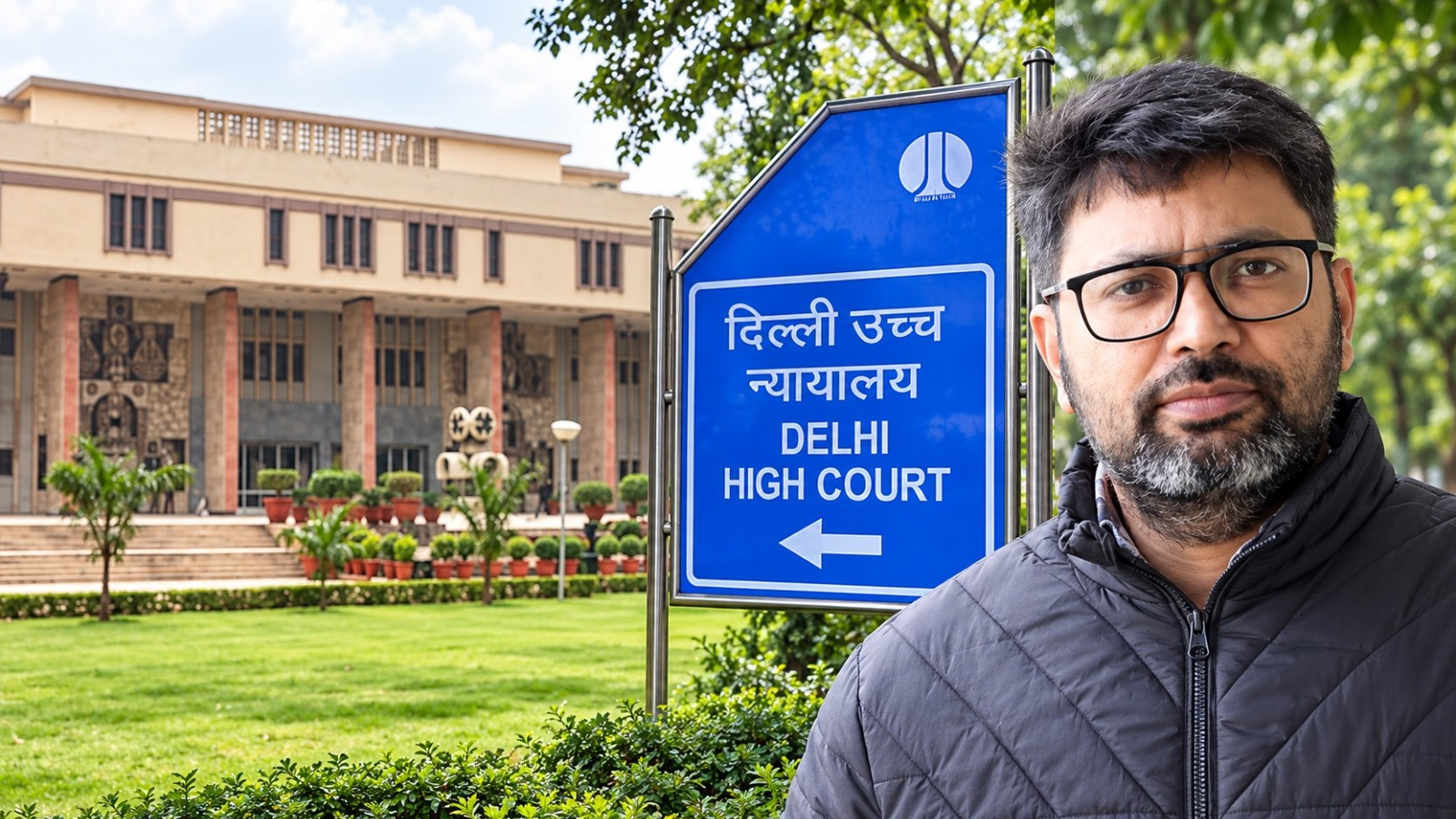
Nadim Khan is a social activist and the national secretary of the Association for Protection of Civil Rights.
The Delhi High Court on Monday, October 12, raised questions regarding the police's entry into the residence of Association for Protection of Civil Rights (APCR) national secretary Nadeem Khan and his detention. Khan alleged that the Delhi Police kept him confined in his premises throughout the day on September 29 to prevent him from participating in a peaceful protest at Jantar Mantar. The court issued a notice on his petition, directing the police to file a status report within two weeks.
According to a report by Live Law, the bench comprising Acting Chief Justice Nitin Vasudev Sambre and Justice Sanjay Sharma questioned during the hearing why the police did not have a response ready when they had already received an advance copy of the petition.

The bench orally questioned the police's lawyer,
“How can you enter this person's house? You have the right to perform your duty, but how in this manner? What is the basis for detaining him? Denying permission is your right, but where is the provision for this in the law?”
The lawyer for the Delhi Police stated that Khan was not detained and that the police officers had only gone for questioning. He requested time to file a response. Advocate Shahrukh Alam, representing Khan, opposed this argument.
He cited photographs indicating that on September 29, police officers arrived at Khan's home and office without any notice or order. Both are located in the same premises. According to him, the police officers entered the office and remained there throughout the day.
Alam reported that,
the police officers stayed until around 5:30 PM that day. Describing the sequence of events on behalf of Khan, he stated that the police officers were offered lunch and tea, but they did not show any notice or order. He alleged that surveillance continued even after that day. On October 2, Khan's mother was ill. During that time, the police called to ask where he was going. Although he was not stopped, his activities were continuously monitored.
Khan's lawyer informed the court that the phone number of the concerned police officer was also provided in the petition. She stated that Khan was being continuously harassed and that he could not participate in the protest due to his detention. Alam clarified that she is currently insisting that the court declare this behavior as harassment. She stated that Khan is a social activist and regularly contacts and coordinates with lawyers in connection with his work.
Alam also referred to the Supreme Court's directives issued on Sunday regarding protests against the Chief Election Commissioner. She stated that the directives related to people's freedom of movement and illegal detention in peaceful matters also apply to Khan. She alleged that Khan is periodically called to inquire about what he is doing. The police's arrival at his office puts him in an uncomfortable situation. She also mentioned the long history of APCR filing public interest litigations.
The police's lawyer responded that,
Khan wanted to protest at Jantar Mantar, but permission was not granted. The Shaheen Bagh police station was informed that he would participate in the protest despite not receiving permission. The lawyer stated that the police left the site at 5:30 PM and no detention occurred. He said, “It was only to limit his movement, as permission was not granted. After that, we did not go to his place.”
While drafting the order, the court recorded the police's argument that officers were deployed to monitor Khan's movement. The court also noted the police's statement that currently there are no restrictions on Khan's movement and that there is no violation of the Supreme Court's order. Subsequently, the bench issued a notice and sought a status report within two weeks.
The court also recorded the police lawyer's assurance that Khan would no longer be called. The bench stated that this statement, given on the instructions of the concerned station house officer, is accepted. Additional Solicitor General Chetan Sharma urged that no notice be issued, as it could be misinterpreted.
The court stated that the police should have been prepared with a status report after receiving the advance copy.
According to the petition,
police personnel from the Shaheen Bagh police station detained Khan at the Jamaat-e-Islami Hind headquarters located in Abul Fazal Enclave from around 9:30 AM to 5:30 PM. The proposed protest was against attacks on religious places and the special intensive review of voter lists, i.e., SIR, which aimed to exclude citizens. Khan has sought to declare his preventive detention, continuous surveillance, and harassment as illegal and unconstitutional.
He has also challenged an undated order prohibiting gatherings of five or more people, protests, sit-ins, speeches, and holding banners-posters in New Delhi district without prior written permission. The petition states that this violates Articles 19(1)(a), 19(1)(b), 14, and 21 of the Constitution.
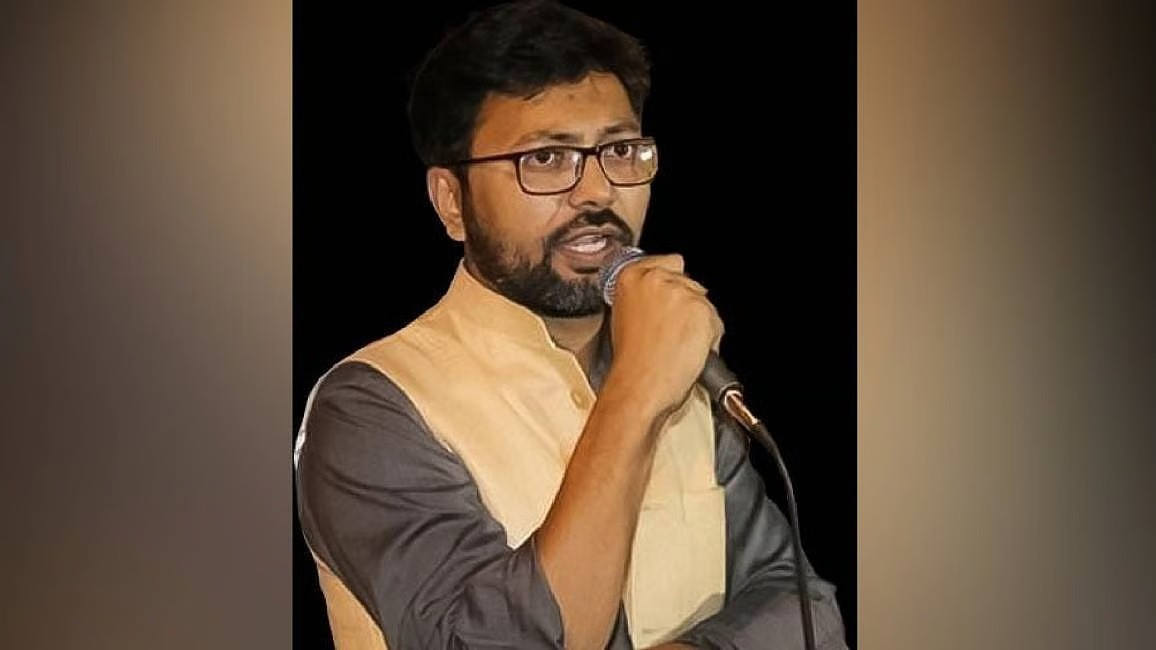
Nadeem Khan stated that he was neither formally arrested, nor was any written basis provided, nor was he presented before a magistrate. His family was also not informed. An application for permission to protest was submitted on September 19, but no response was received. Later, he learned of the cancellation of permission through an unknown phone call. The petition has been filed through advocates Chinmay Kanaujia, Archit Krishna, Tamanna Pankaj, and Priya Vats.