
Bihari workers' protest in Surat: Why is Giriraj Singh meeting owners instead?
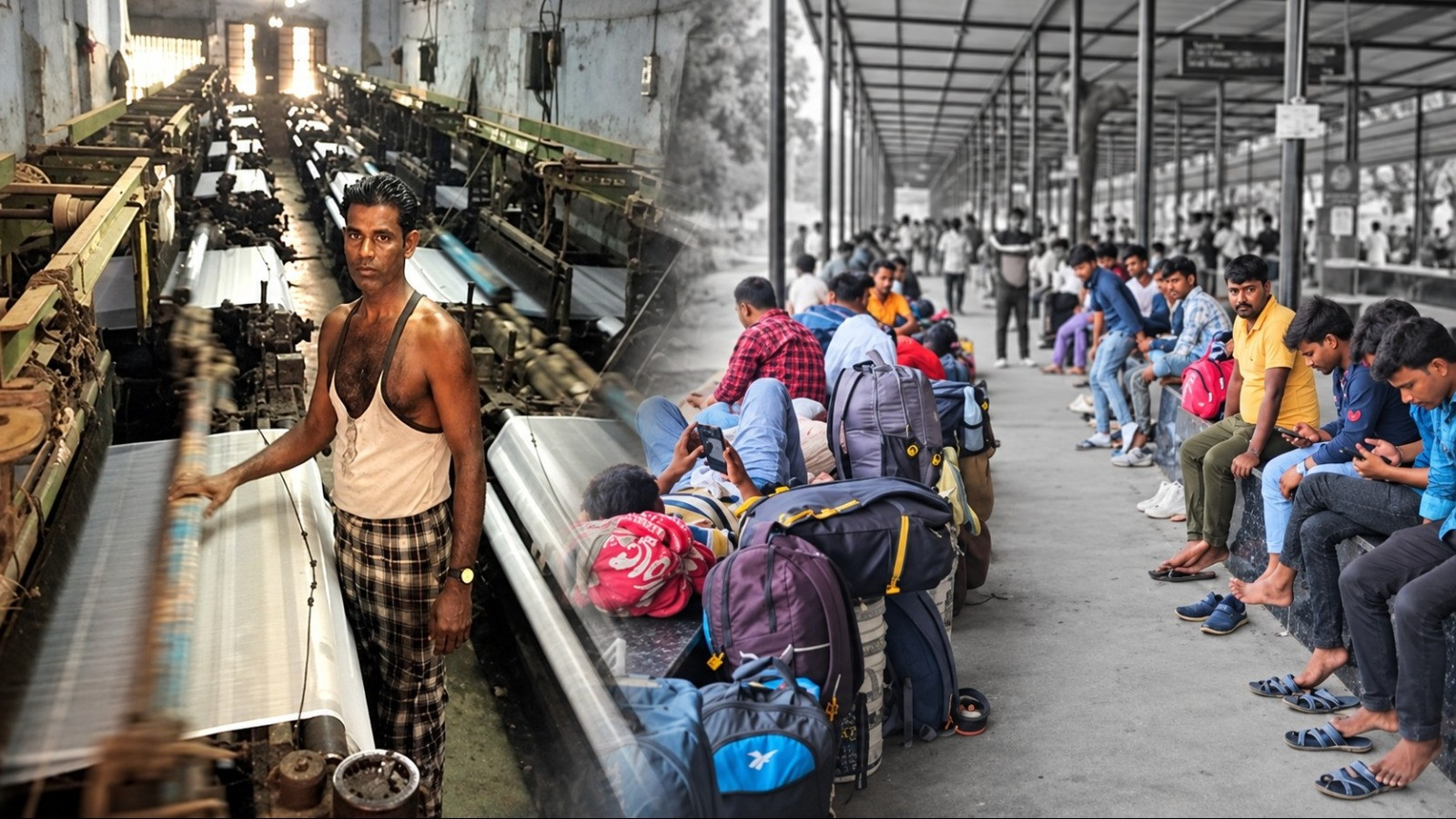
AI Image
This struggle, ongoing for over two months, has now escalated into a 'Gao Chalo Andolan'.
While the entire country is focused on the CJP movement happening in Delhi, at the same time, in Surat, Gujarat, Bihari workers are fighting for their rights through the 'Gao Chalo Andolan'. Migrant workers employed in textile and embroidery units here are demanding an eight-hour shift, one paid day off per week, and adherence to labor laws. This struggle, which has been ongoing for more than two months, has now escalated to the 'Gao Chalo Andolan'. The workers have indicated that if their demands are not met, they will leave their jobs and return to their villages. On the other hand, the company owners also have their own conditions. The question now is whether the Bihari textile workers in Surat will be able to secure their right to an eight-hour shift.
The famous textile industry of Surat primarily relies on migrant workers. Workers from several states, including Bihar and Uttar Pradesh, work here. For them, this is not just a matter of reducing work hours, but a struggle to balance their earnings, rest, family, and a dignified working life.
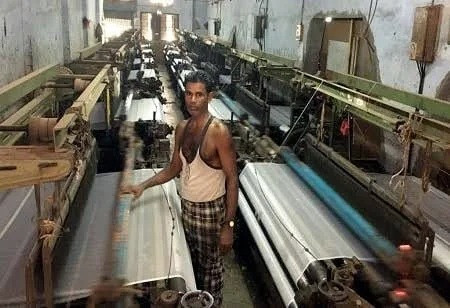
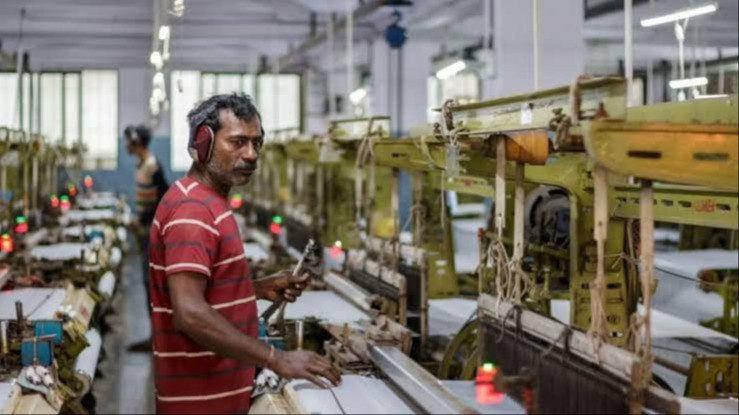
Workers troubled by 12-hour duty
The workers' movement in Surat's embroidery units began on August 16 in the Amroli area. Gradually, it spread to other industrial areas of the city. Labor organizations allege that many units make workers work for 12 hours, while they do not regularly receive one paid day off per week.
In this regard, News Laundry has reported in detail.
The main demand of the workers is that the working hours be fixed at eight hours and that they receive at least one paid day off per week. They want their wages to be paid on time and for the benefits provided under labor laws to be implemented. They are also demanding benefits such as provident fund (PF), employee state insurance (ESI), gratuity, and bonuses.
It is evident that industrial units have not yet provided these basic labor law benefits to the migrant workers who have come from Bihar. In fact, these workers, who have come to work there under extremely adverse conditions, may not have even demanded these benefits until now.
The workers are also adding a specific condition to their demands. According to a report by the Times of India, the workers are saying that they do not want their wages to be reduced due to the eight-hour shift. They want to continue receiving the same wages they currently get, just with an eight-hour shift.
What is the 'Gao Chalo Andolan'?
Bihari workers have called for the 'Gao Chalo Andolan' to exert pressure regarding their demands. At the beginning of October, workers' representative Ajay Dubey appealed to the workers,
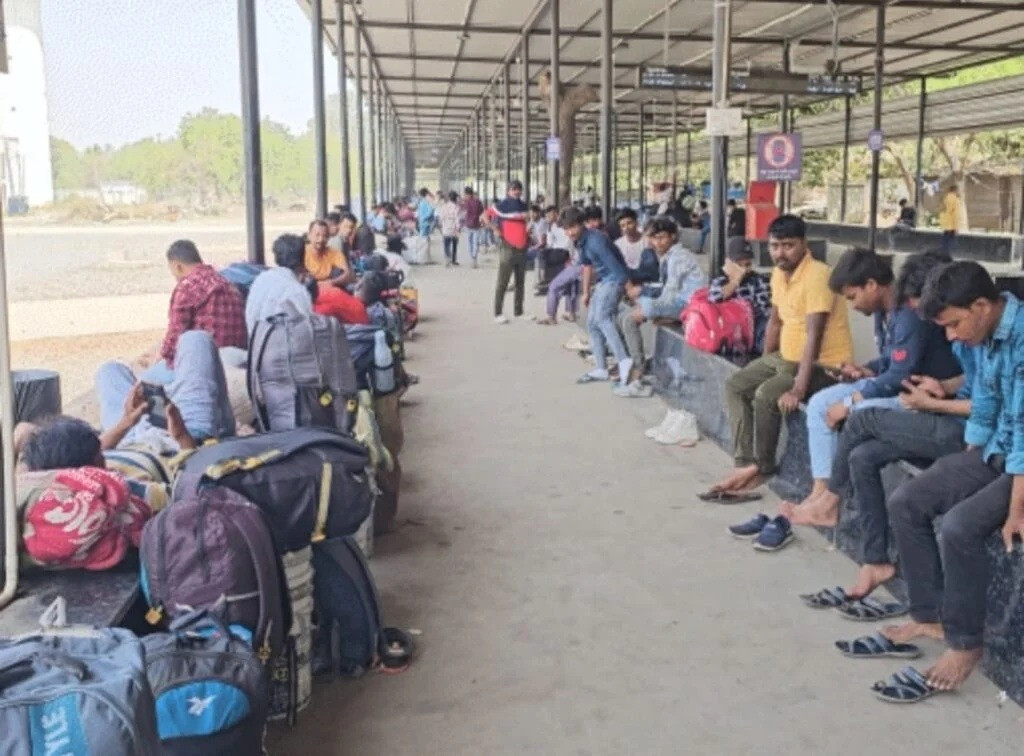
If the owners do not meet their demands, they should return to their villages. What is the benefit of staying here with such low wages? This was a pressure strategy, as Surat's textile industry is almost entirely dependent on migrant workers. If they leave, the industry could come to a standstill. Moreover, these days, workers from Bihar and eastern Uttar Pradesh want to go to their villages for the festivals.
Under this campaign, workers were told to file written complaints in front of labor officials, talk to management along with workers from different shifts, and knock on the administration's door if rules are not followed. If their demands are not met, they should leave their jobs and return to their villages.
Labor Department and Textile Minister Giriraj Singh take action
The pressure from the movement is yielding results. In the last week of September, it was reported that the office of the Deputy Labor Commissioner had issued directives to these companies regarding compliance with labor codes. Following this, a section of the workers postponed a proposed protest on October 1. However, the workers' side claims that despite the directives being issued, their problems have not been concretely resolved.
During the movement, there were reports of tension and violence in the Amroli area. According to a report by News Laundry, three FIRs were registered in the matter. Eight people were arrested and cases were filed against around 500 people. Worker representatives have also raised the demand for the withdrawal of the cases.
Meanwhile, the Times of India reported on October 11 that worker representative Ajay Dubey was taken into police custody. These incidents have further sensitized the atmosphere for negotiations.
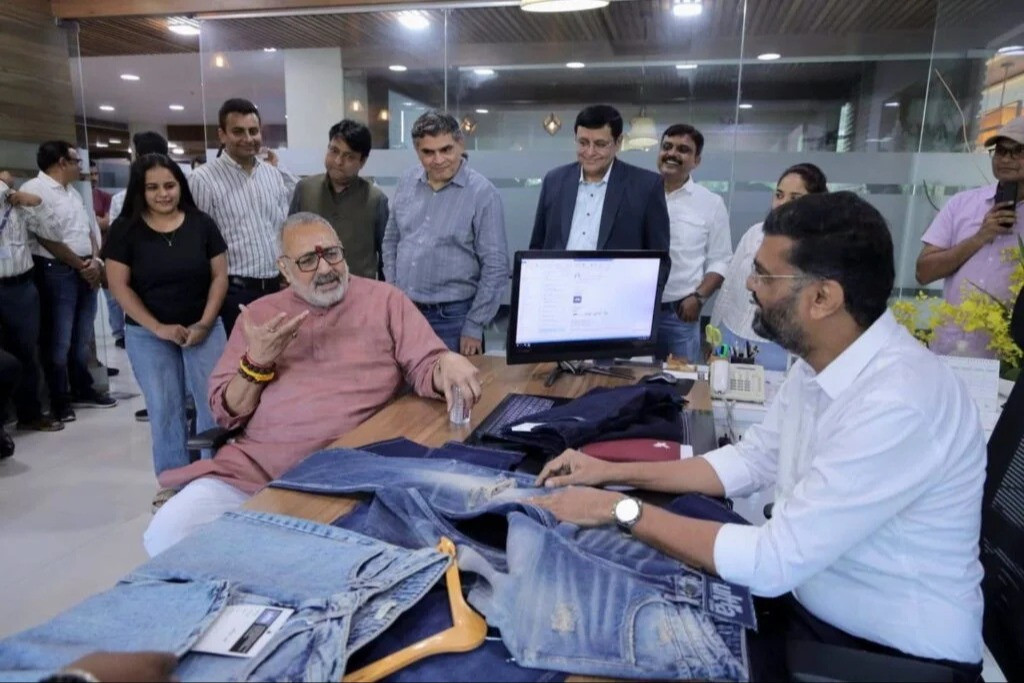
Union Minister and Textile Minister Giriraj Singh has also appealed to the owners to find an amicable solution with the workers. He referred to Surat as 'Mini India' and highlighted the contribution of workers from Bihar and Uttar Pradesh. Following this active engagement, there is hope for a change in the atmosphere and decisions in favor of the workers. It is being said that a decisive conversation between the workers' organizations and company owners could yield a positive outcome on October 12.
Owners' condition: Workers also bear the cost of losses
Amid the workers' demands, the textile owners' organization, Textile Embroidery Jobwork Association of Surat (TEJAS), has also presented its stance. According to a report by the Times of India on October 11, representatives of the organization stated that they are in favor of implementing the new labor codes fully, not selectively.
Former president of TEJAS, Karunesh Ranpariya, stated that,
Owners are ready to accept an eight-hour shift and paid weekly off, but the cost of material losses will be deducted from the workers' wages. According to Ranpariya, such deductions were not being made earlier. He also alleged that some labor leaders are inciting workers to protest without informing them of all the provisions of labor codes.
Concerns regarding the use of mobile phones have also been raised by the owners. In discussions with the labor union, it was mentioned that some owners claim that workers look at mobile phones during work, which affects production. However, a detailed and direct response from the owners' organization on this issue is still awaited.
The real difference between the owners and workers lies in who will bear the cost of changes in working hours and leave. Workers want their working hours to be reduced, but their earnings to remain secure. Owners are concerned about production, costs, and material losses.
Now all eyes are on the negotiations
According to information from the union, discussions between worker representatives and the owners' side are expected on October 12. Workers hope that this time there will be a concrete path forward regarding the eight-hour shift, paid weekly off, and adherence to labor regulations.

Pushyamitra
पुष्यमित्र घुमन्तू पत्रकार और लेखक हैं। उनकी पत्रकारिता-यात्रा भोपाल, दिल्ली, हैदराबाद, चंडीगढ़ जैसे शहरों से होती हुई बिहार-झारखंड में जारी है। वे दैनिक अखबार ‘नवभारत’, ‘अमर उजाला’, ‘हिन्दुस्तान’, ‘प्रभात खबर’ , इंडिया टुडे आदि से सम्बद्ध रहे। कुछ न्यूज़ पोर्टलों के लिए नियमित लेखन किया और अब अपना पोर्टल और डिजिटल प्लेटफ़ॉर्म बिहार क्रोनिकल चला रहे हैं। उनकी प्रकाशित कृतियाँ हैं—‘रुकतापुर’, ‘जब नील का दाग़ मिटा : चम्पारण-1917’, ‘कोसी के वटवृक्ष’, ‘सुन्नैर नैका’, ‘फणीश्वरनाथ रेणु : एक अप्रतिम कथाकार, एक जन्मजात विद्रोही’। ‘रेडियो कोसी’ पहला उपन्यास है।